
Hawaii’s Kilauea Volcano Erupts Again, Sending Lava Hundreds of Feet Into the Air
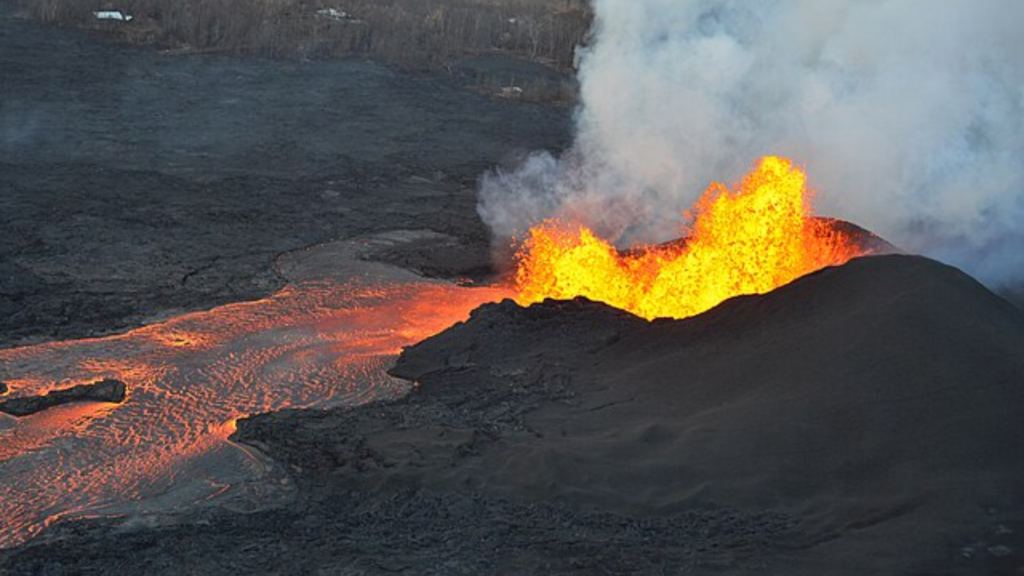
Hawaii’s Kilauea Volcano has erupted once again, sending dramatic fountains of molten lava hundreds of feet into the air and capturing global attention. The eruption began on April 9, 2026, with powerful bursts of lava and thick plumes of smoke rising from the summit. Scientists reported that the eruption quickly intensified, producing millions of cubic yards of lava in a short period. This latest event highlights the ongoing activity of one of the world’s most closely monitored volcanoes.
Lava Shot High Into the Sky

During the eruption, lava fountains surged more than 200 meters into the air, creating a spectacular yet dangerous display visible from miles away. These towering bursts of molten rock are characteristic of Hawaiian-style eruptions, where fluid lava is ejected in powerful jets. The height and intensity of the fountains underscore the immense pressure building beneath the surface. Such dramatic activity is a reminder of the volcano’s unpredictable nature.
When and How the Eruption Began

The eruption started around 11 a.m. local time, according to monitoring agencies tracking seismic and volcanic activity in the region. Initial signs included increased lava flow and rising gas emissions before the fountains intensified. Within hours, lava was visibly spilling downslope, captured by live cameras monitoring the volcano. These rapid developments demonstrate how quickly volcanic conditions can escalate.
Massive Lava Output Recorded

Scientists estimate that the eruption produced approximately 3.6 million cubic yards of lava, a substantial volume released in a relatively short timeframe. This outpouring contributes to the ongoing reshaping of the volcano’s summit and surrounding terrain. Lava flows spread across the crater floor and gradually move outward, altering the landscape with each event. These flows are closely monitored to assess potential risks to nearby areas.
National Park Closures and Safety Warnings

Hawaii Volcanoes National Park was temporarily closed following the eruption to ensure public safety as conditions became increasingly hazardous. Officials warned visitors about volcanic ash, airborne particles, and falling debris that could pose serious health risks. Protective measures such as wearing long sleeves and eye protection were recommended for anyone near affected areas. These precautions highlight the dangers associated with active eruptions.
Ashfall and Hazardous Debris

The eruption triggered an ashfall advisory for parts of the Big Island, with volcanic particles carried by the wind across surrounding regions. Some fragments, known as tephra, were reported to be as large as footballs near the summit area. Smaller particles can travel farther and pose risks to respiratory health and visibility. These hazards make it critical for residents and visitors to follow official guidance during eruptions.
A Volcano With a Long History of Eruptions

Kilauea Volcano is one of the most active volcanoes on Earth, with dozens of eruptions recorded since 1952. Some eruptions have lasted only weeks, while others have continued for more than a year, reshaping the island’s landscape. A major eruption in 2018 caused widespread destruction, including the loss of homes and displacement of residents. This history underscores the volcano’s persistent activity.
Why Kilauea Eruptions Look Different
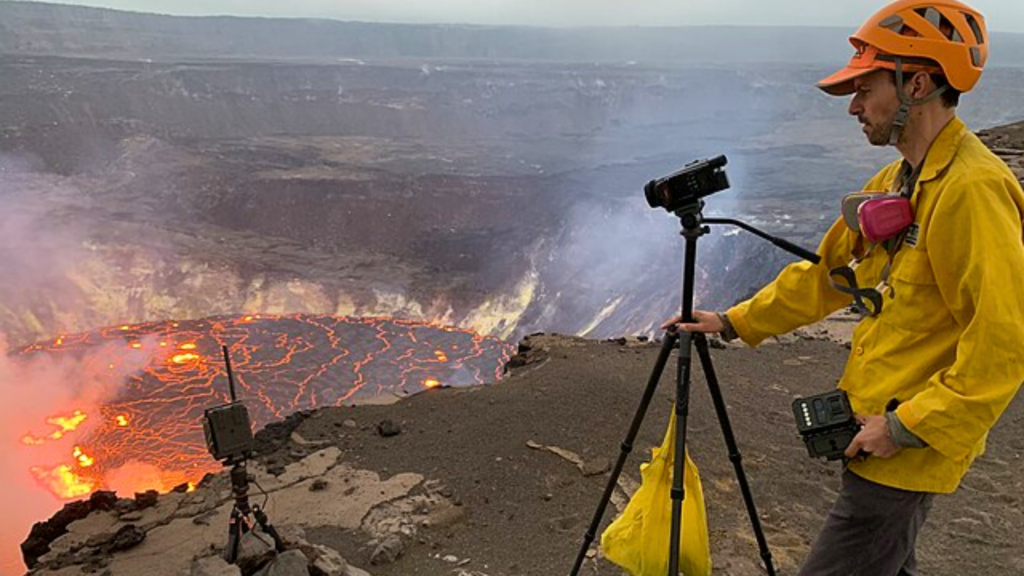
Kilauea’s eruptions are typically classified as Hawaiian eruptions, which are known for their flowing lava and dramatic fountains rather than explosive blasts. The lava is relatively fluid, allowing it to travel long distances while creating glowing rivers and lakes of molten rock. These eruptions can still be dangerous despite their less explosive nature. The visual spectacle often masks the underlying risks.
Ongoing Monitoring and Risks

Scientists from the United States Geological Survey continue to monitor the volcano closely using seismic data, satellite imagery, and ground observations. Hazards such as ground cracking, landslides, and sudden lava surges remain concerns even after the initial eruption phase. Authorities maintain restricted zones around the most active areas to reduce risk to the public. Continuous monitoring helps provide early warnings for any changes in activity.
A Powerful Reminder of Nature’s Force
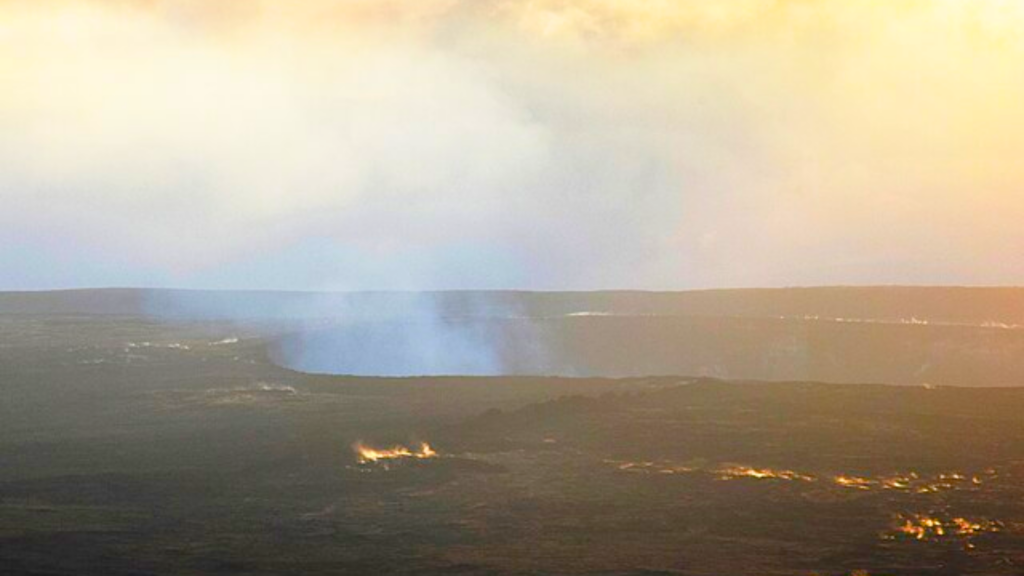
The latest eruption of Kilauea Volcano serves as a striking reminder of the raw power beneath Earth’s surface and the dynamic forces that continue to shape our planet. While the spectacle of lava fountains reaching hundreds of feet into the air is captivating, it also highlights the importance of preparedness and respect for natural hazards. As monitoring continues, scientists and officials remain focused on ensuring safety while studying one of the world’s most active volcanic systems.
PetsFanatic Team
Pet Care Expert & Content Creator
Passionate about sharing knowledge and tips for better pet care. Writing about everything from pet health to training techniques.