
Hawaiʻi’s Vanishing Coral Reefs Could Cost Swimmers, Snorkelers and Divers Billions
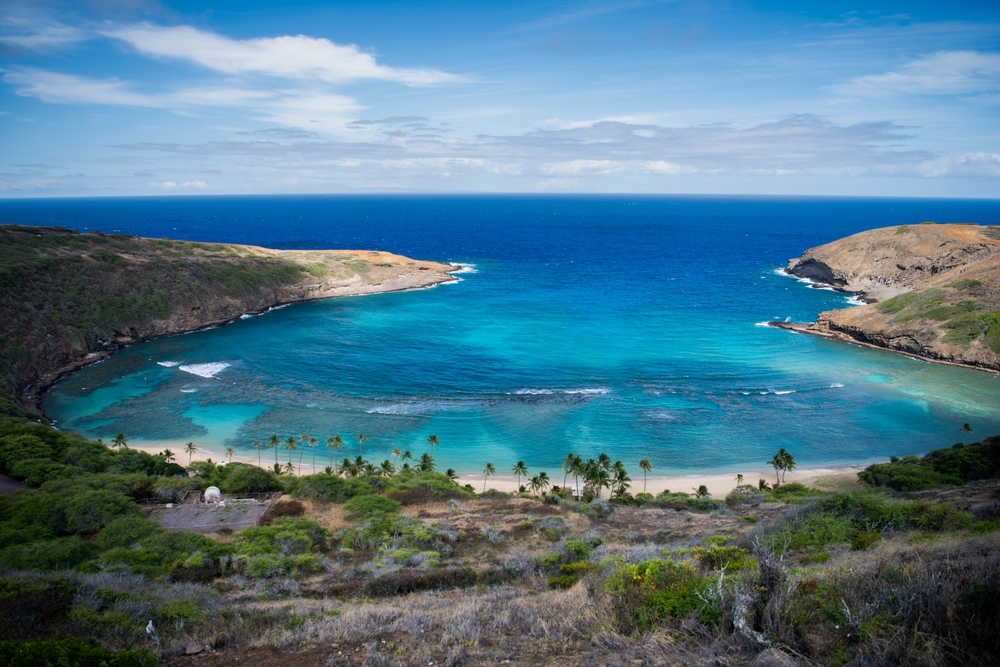
The value of Hawaiʻi’s coral reefs extends far beyond their vibrant underwater landscapes. They shape the islands’ identity, support marine ecosystems, and provide countless opportunities for swimming, snorkeling, and diving. Now, new research suggests that as climate change accelerates reef decline, those experiences could come with an economic price tag measured in billions of dollars.
A study published in Ecological Economics estimates that climate-driven coral loss could cost Hawaiʻi residents between $1.8 billion and $3 billion in lost reef-related recreation by 2100. Rather than focusing on tourism revenue alone, researchers examined how reef degradation could reduce the everyday recreational value residents derive from activities such as snorkeling, swimming, and diving.
Researchers from the University of Hawaiʻi at Mānoa, the Norwegian University of Life Sciences and the University of Trento combined ecological simulations with community-level economic data to project how changing reef conditions could affect recreational opportunities across the islands. Their findings suggest that declining reef health will reshape not only marine ecosystems but also the way local communities experience Hawaiʻi’s coastal waters.
Climate Change Is Transforming the Underwater Landscape

Coral reefs rank among the planet’s most biologically diverse ecosystems, providing habitat for countless marine species while protecting coastlines from erosion and supporting fisheries and recreation. Yet they are also among the ecosystems most vulnerable to rising ocean temperatures and ocean acidification caused by climate change.
When water temperatures climb too high, corals expel the algae that provide much of their energy in a process known as coral bleaching. Without those algae, corals lose both their vibrant colors and their primary food source, leaving them increasingly susceptible to disease and death. Ocean acidification further weakens reefs by reducing the minerals corals need to build their skeletons.
Federal climate assessments project dramatic declines in shallow coral cover without significant reductions in greenhouse gas emissions. In Hawaiʻi, average coral cover could fall from roughly 38% today to about 5% by 2050, with further declines expected by the end of the century if warming continues unchecked. Even under lower-emissions scenarios, researchers expect substantial losses, though global climate action could slow the pace of decline and preserve billions of dollars in recreational value.
The Impacts Won’t Be Shared Equally

The latest study found that the effects of coral decline will vary across the Hawaiian Islands. The earliest and steepest recreational losses are projected along the leeward coasts of Hawaiʻi Island and Maui before expanding northward toward Oʻahu later in the century. Under high-emissions scenarios, researchers project that many nearshore reefs could experience near-total collapse by 2100.
The consequences also extend beyond economics. By combining reef projections with the U.S. Environmental Protection Agency’s environmental justice data, researchers found that lower-income and disadvantaged communities are likely to bear disproportionately large welfare losses because many depend heavily on nearby reefs for recreation, cultural traditions, and everyday quality of life.
Scientists emphasize that climate change is not acting alone. Research examining Hawaiʻi’s reefs has found strong correlations between reef degradation and intense tourism activity, particularly at popular snorkeling destinations where frequent human contact, pollution and coastal development place additional stress on already vulnerable ecosystems. Other studies have highlighted land-based sediment runoff and erosion as major contributors to reef decline, underscoring the need to manage both marine and terrestrial environments together.
Protecting Reefs Means Protecting Hawaiʻi’s Future

While the projections paint a sobering picture, researchers say they also point toward practical opportunities for action. The study highlights local initiatives such as Hawaiʻi’s Holomua Marine Initiative, which works with communities and Indigenous knowledge holders to develop site-specific strategies for protecting and restoring nearshore reefs. Reducing land-based pollution and preventing overharvesting are among the measures researchers believe can help strengthen reef resilience.
Land conservation is also emerging as a critical part of reef protection. NOAA-supported research on the island of Lānaʻi has demonstrated how mapping erosion, sediment runoff, and watershed conditions can help identify areas where restoration efforts will deliver the greatest benefit for nearby coral reefs. By targeting conservation where healthy reefs remain, decision-makers can maximize the environmental impact of restoration investments.
The study’s authors stress that the estimated $1.8 billion to $3 billion in recreational losses likely understates the full value of Hawaiʻi’s reefs because it does not account for tourism spending, fisheries, shoreline protection or many of the ecosystems’ cultural benefits. For residents and visitors alike, the findings serve as a reminder that protecting coral reefs is about preserving far more than scenic snorkeling spots—it’s about safeguarding a natural resource that supports communities, biodiversity and the Hawaiian way of life for generations to come.
PetsFanatic Team
Pet Care Expert & Content Creator
Passionate about sharing knowledge and tips for better pet care. Writing about everything from pet health to training techniques.