
The Seemingly Harmless Habit That is Hurting Wild Animals

If you’ve ever tossed food to a raccoon, left scraps out for a fox, or fed a stray-looking coyote because it felt like the humane thing to do, you’re not alone. It feels compassionate. It looks harmless. But wildlife experts are now begging people to stop because this one well-meaning habit can quietly push animals into danger, and in some cases, into death. The uncomfortable twist is that the animals don’t suffer right away. They suffer later, when the human help runs out or when they stop fearing us. And that’s where the real problem begins.
Why feeding wildlife is a trap

Let’s be honest: feeding wild animals hits a deep human reflex. It’s empathy mixed with awe. A creature shows up in your yard, you assume it’s hungry, and you want to help. Conservationists say they get it, people who feed wildlife usually have big hearts. But that instinct can override what animals actually need: distance, unpredictability, and natural foraging. What looks like kindness in the moment can become a long-term threat to survival.
The biggest risk is “habituation”

Wild animals survive partly because they avoid humans. When you feed them, they learn humans equal food. Over time, fear disappears. That shift, called habituation is one of the clearest danger signals for wildlife managers. Animals that stop avoiding people are more likely to approach houses, pets, playgrounds, and roads. And when a wild animal gets too comfortable around humans, the ending is rarely good for anyone.
It can reshape animal behavior in weird, damaging ways

Human food isn’t just easy calories. It changes what animals do. They may stop hunting or foraging normally, show up at the same time every day, or start competing aggressively around houses. Some animals become bolder, more territorial, and more likely to bite or scratch when food doesn’t appear. What started as a sweet backyard moment can turn into an animal that expects you to provide, and panics or gets reckless when you don’t.
Feeding can inflate local populations artificially

One of the least talked-about effects: feeding wildlife can boost animal numbers beyond what the environment naturally supports. If several neighbors feed the same species, you can end up with more raccoons, coyotes, or rodents than the area can sustain. That creates a fragile bubble; when the food supply drops, a crash follows. Experts warn this can lead to starvation events that wouldn’t have happened otherwise.
The neighborhood chain reaction is real
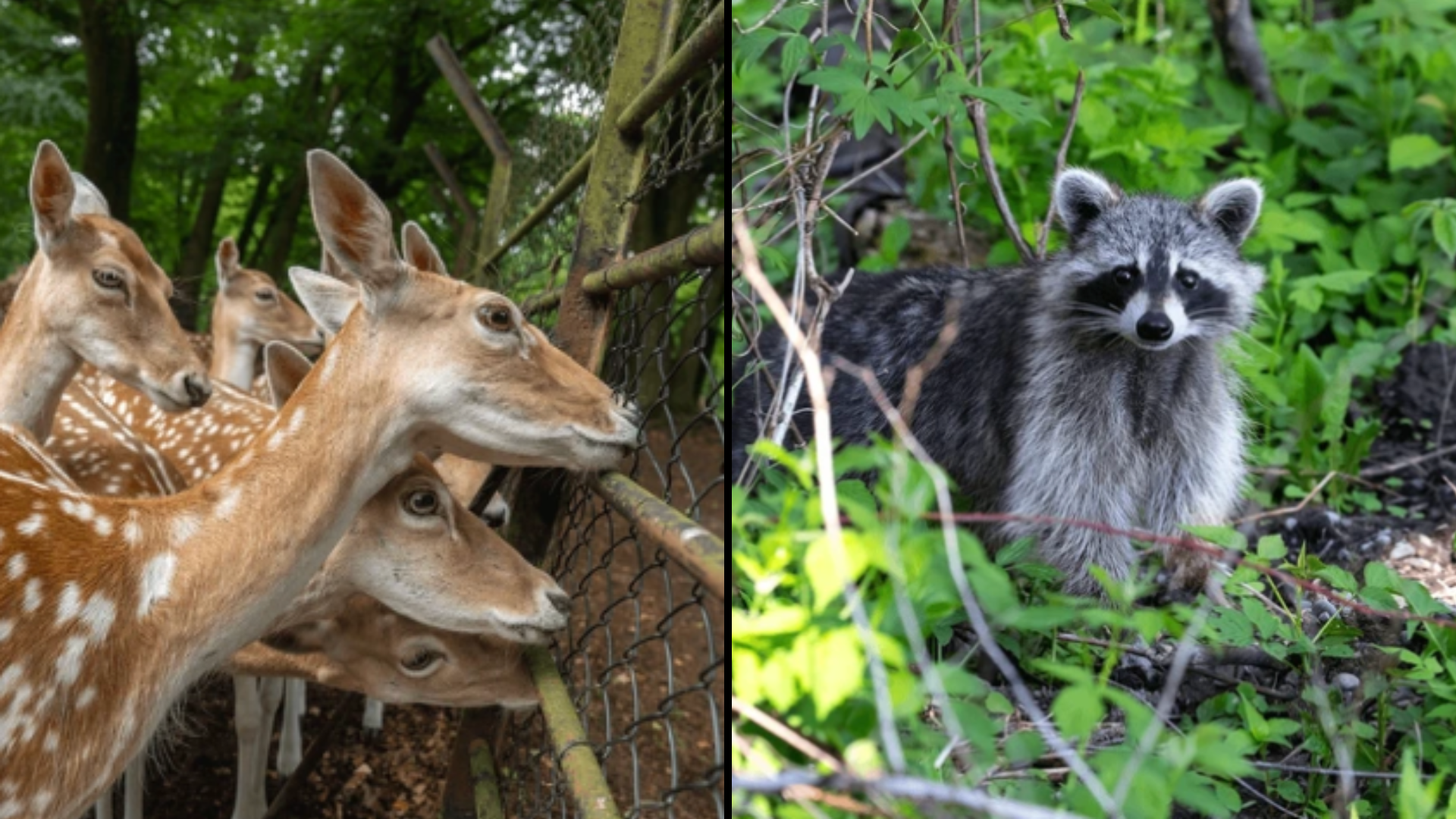
Here’s where things get messy. When wildlife numbers climb near homes, not everyone is thrilled. Some people call animal control. Others put out toxic bait. Wildlife officials warn that poisons don’t stay “targeted”, they can be eaten by pets, birds of prey, and other unintended animals. Even if you never touch poison yourself, feeding wildlife can unintentionally set the stage for it.
“But what if it’s just a little bit?”

This is the part people argue about, and it’s fair to ask. If you’re feeding “just one crow” or “a few peanuts now and then,” is that really harmful? Experts say the issue isn’t a single snack. It’s the pattern. Intermittent feeding is still training. Even occasional food can teach animals to linger, return, and associate humans with easy reward. That’s how dependence starts; slowly, then suddenly.
The better way to help isn’t food—it’s habitat

Wildlife pros keep repeating the same alternative: plant native. Native plants provide the food animals are built to eat and the cover they need to stay safe, without conditioning them to humans. The National Wildlife Federation’s Native Plant Finder helps people choose what fits their ZIP code, and they emphasize that even small spaces can support pollinators and birds. It’s help without harm.
What about bird feeders? Are those different?

This one always sparks debate. Many wildlife agencies say most bird feeding is generally safe when done responsibly—clean feeders, proper seed, and no feeding of aggressive mammals. The line experts draw is between supporting birds in a controlled way and feeding mammals that quickly habituate and can become safety risks. If your feeder starts attracting raccoons, coyotes, or bears, that’s the moment to rethink it.
Conclusion

Feeding wildlife is one of those habits that feels pure in the moment, but plays out differently over time. It can erase fear, alter behavior, inflate populations, and create neighborhood risks that end with animals harmed or removed. The irony is painful: the people trying to help are often the ones setting the trap. If you want wild animals in your life, experts say the best gift you can give is a yard that supports them naturally, not a snack that teaches them to trust humans. And if that feels hard to accept, you’re not alone. But it’s worth asking: is the goal to feel kind today or to keep wildlife alive tomorrow?
PetsFanatic Team
Pet Care Expert & Content Creator
Passionate about sharing knowledge and tips for better pet care. Writing about everything from pet health to training techniques.