
Hammerhead Sharks Are Facing Extinction. Can We Still Save Them?

Hammerhead sharks are among the ocean’s most recognizable predators, but many species are now facing an uncertain future. Years of overfishing, accidental capture, and habitat loss have caused populations to decline dramatically across the globe. Conservationists say some hammerhead species are now critically endangered, but they also believe recovery is still possible if stronger protections continue to expand. Here’s why these remarkable sharks matter, and what’s being done to help save them.
Not All Hammerhead Sharks Are the Same

There are more than nine species of hammerhead sharks, ranging from the small bonnethead to the massive great hammerhead. While each species has unique behaviors and habitats, several, including the scalloped hammerhead and great hammerhead, have experienced steep population declines in recent decades. Scientists say their slow reproduction makes it difficult for populations to recover once they are depleted.
Overfishing Remains Their Biggest Threat

The greatest danger facing hammerhead sharks is overfishing. Some are intentionally caught for the international shark fin trade, while many others become accidental bycatch in fishing nets and longlines targeting different species. Even recreational catch-and-release fishing can be harmful because hammerheads are particularly sensitive to stress and may die after being released.
Their Slow Life Cycle Makes Recovery Difficult
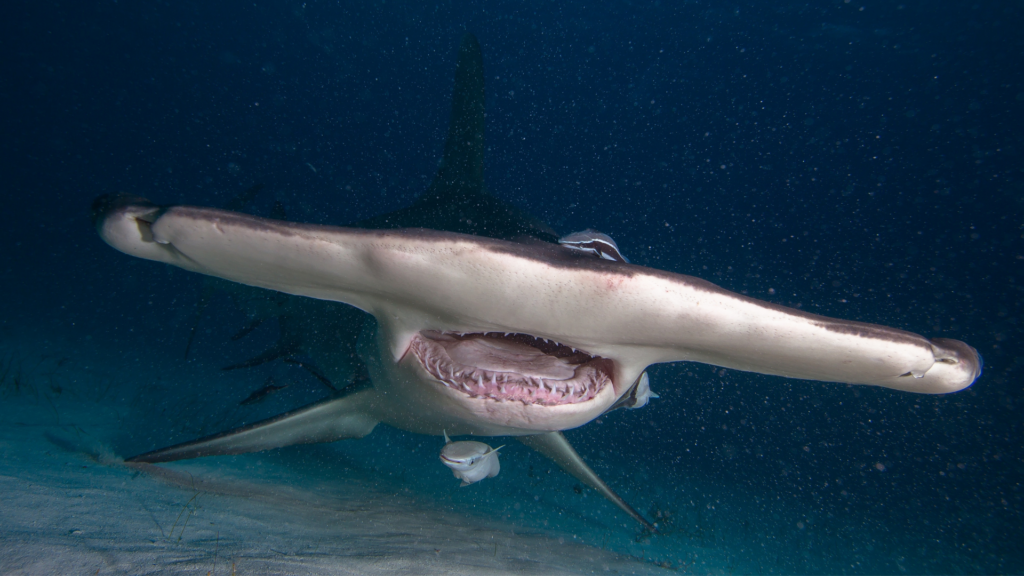
Unlike many fish species, hammerhead sharks take years to reach maturity and produce relatively few offspring. This slow reproductive cycle means that populations cannot quickly replace animals lost to fishing. Scientists say that even if fishing pressure is reduced today, recovery could take many years or even decades.
Marine Protected Areas Are Showing Promise

One of the most successful conservation strategies has been the creation of marine protected areas where fishing is limited or prohibited. Protected waters give sharks safe places to feed, mate, and raise young. In some regions, marine life has rebounded significantly after long-term fishing restrictions, offering hope that hammerhead populations can recover under the right conditions.
Scientists Are Following Their Long-Distance Migrations

Hammerhead sharks can travel thousands of miles across international waters, making conservation especially challenging. Researchers are using satellite tags and environmental DNA to better understand migration routes, breeding areas, and nursery habitats. This information helps governments identify where new protected areas could have the greatest impact.
International Protections Are Expanding
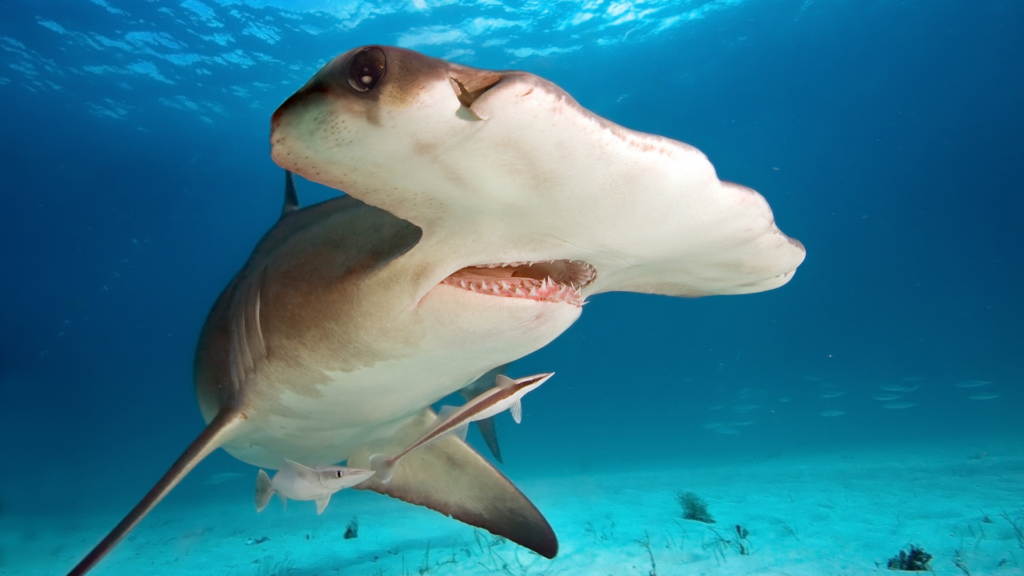
Recent international agreements have strengthened protections for several hammerhead species. In 2026, governments added scalloped and great hammerhead sharks to the highest protection level under the Convention on Migratory Species, recognizing that conserving these wide-ranging animals requires cooperation across national borders. Several countries have also introduced new national protections for sharks and rays.
Healthy Sharks Help Keep Oceans Balanced

Hammerhead sharks are apex predators, meaning they help regulate marine food webs by keeping prey populations in balance. Healthy shark populations contribute to healthier coral reefs and ocean ecosystems. Scientists warn that losing top predators can trigger ripple effects that impact many other marine species and alter entire ecosystems.
People Can Help More Than They Realize

Conservation experts say consumers can make a difference by choosing sustainably caught seafood, supporting responsible fisheries, and backing organizations working to protect marine habitats. Public awareness has also grown in recent years, helping shift attitudes toward sharks from fear to appreciation and encouraging greater investment in research and conservation.
There Is Still Hope for Hammerhead Sharks
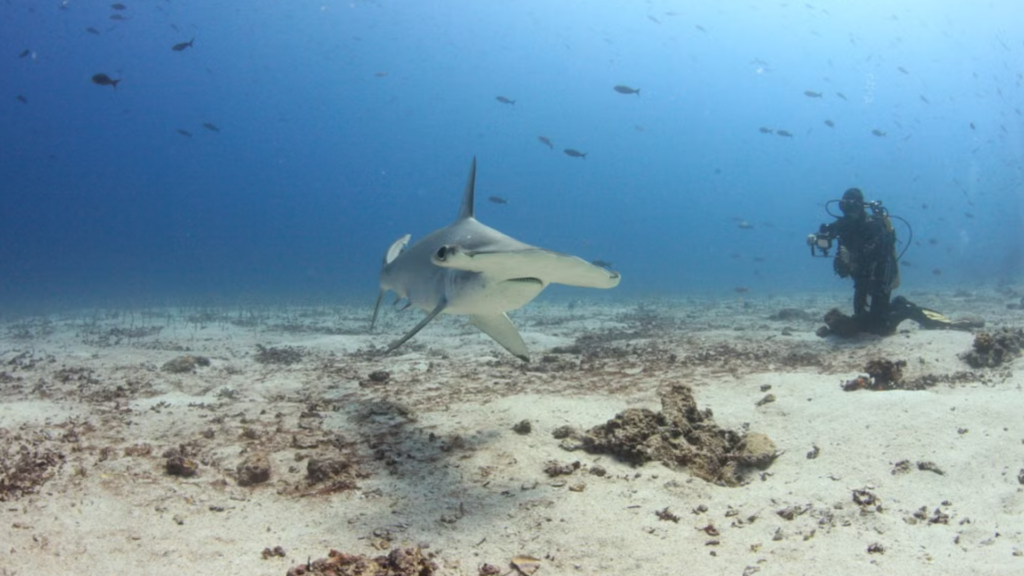
Hammerhead sharks have survived in Earth’s oceans for millions of years, but human activity has pushed several species dangerously close to extinction. The encouraging news is that conservation efforts, including protected marine areas, stronger international agreements, improved scientific research, and public support, are beginning to make a difference. Experts say that if these efforts continue to expand, there is still time to give these extraordinary sharks a better chance of recovery.
PetsFanatic Team
Pet Care Expert & Content Creator
Passionate about sharing knowledge and tips for better pet care. Writing about everything from pet health to training techniques.