
Global Warming Accelerated 75% in the Last Decade, New Study Says World May Hit Critical Limits Before 2030

The planet has been warming for decades, but a new study suggests the pace has shifted dramatically. Published in the journal Geophysical Research Letters, the research found that global warming accelerated by 75% between 2015 and 2025 compared to the prior four decades. Scientists say if the current rate holds, the world could cross a critical climate threshold before 2030.
Scientists Stripped Away Nature’s “Noise” to Find the Real Trend

To get a cleaner picture of long-term warming, the Potsdam Institute for Climate Impact Research team analyzed five major global temperature datasets, including records from NASA, NOAA, HadCRUT, Berkeley Earth, and ERA5. They filtered out short-term natural factors that can temporarily push temperatures up or down, including El Niño events, volcanic eruptions, and solar cycle variations, revealing the underlying warming signal beneath the natural “noise.”
How Much Faster Is the Planet Warming? The Data Has an Answer
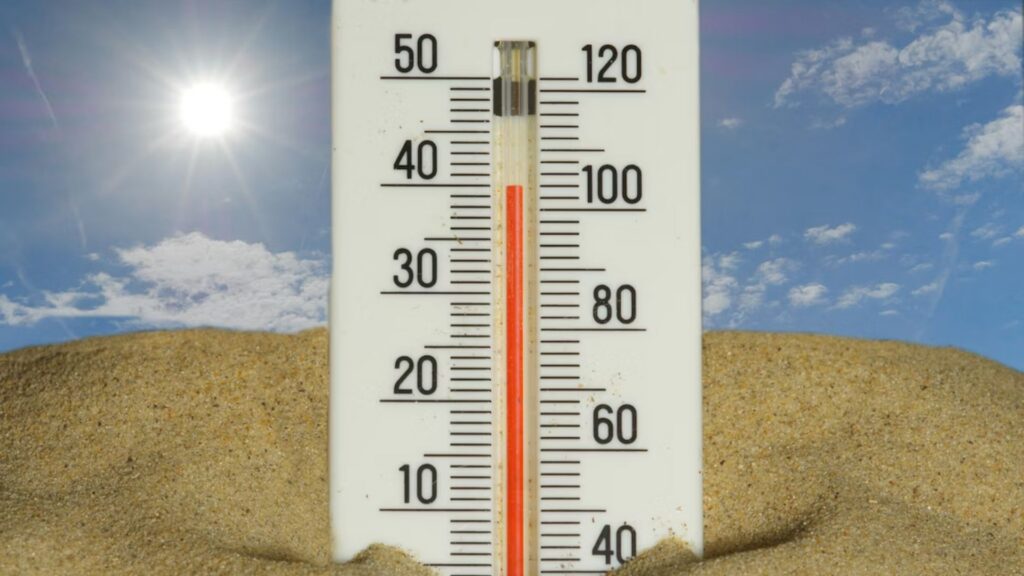
From 1970 to 2015, Earth warmed at roughly 0.2 degrees Celsius per decade. In the decade that followed, from 2015 to 2025, that rate climbed to approximately 0.35 degrees Celsius per decade. According to the study, which marks the fastest warming rate recorded in any single decade since instrumental temperature records began in 1880, more than 140 years of data.
This Is the First Time the Acceleration Has Been Statistically Proven

What sets this study apart is its statistical rigor. “We can now demonstrate a strong and statistically significant acceleration of global warming since around 2015,” said Grant Foster, a U.S. statistics expert and co-author of the study. The researchers found the acceleration held across all five datasets, with a statistical certainty exceeding 98% in every test they ran.
2023 and 2024 were the Hottest Years Ever, Even After Adjustments

Even after accounting for El Niño and a recent solar maximum, 2023 and 2024 still rank as the two warmest years since modern temperature records began. The broader acceleration in warming first becomes visible in the data around 2013 or 2014, according to the study. 2024 alone was the hottest single year on record, closing out a decade unlike any in modern climate history.
A Critical Temperature Limit Was Set, and Scientists Say It May Come Early

The internationally agreed-upon threshold of 1.5 degrees Celsius, set under the Paris Agreement, was previously projected to be crossed sometime in the 2030s. But if the current rate of warming continues, lead author Stefan Rahmstorf of the Potsdam Institute for Climate Impact Research says the world will exceed that limit before 2030. Beyond that threshold, Rahmstorf has said the impacts of climate change could exceed the ability of both humans and ecosystems to adapt.
Think of the Atmosphere Like a Swimming Pool

Atmospheric scientist Katharine Hayhoe of Texas Tech University put the situation in simple terms. Carbon dioxide in the atmosphere, she explained, is like water in a pool, and humans have essentially been turning up a hose year after year. “In a nutshell, what this study is doing is finally DETECTING what scientists have long PREDICTED,” Hayhoe wrote in an email, according to CNN.
Not Every Scientist Is Convinced the Pace Has Changed

The findings aren’t without debate. Michael Mann, professor of Earth and environmental science at the University of Pennsylvania, told CNN he sees no evidence of acceleration over the past decade. Mann attributes the long-term rise in warming to reductions in aerosol pollution since the 1970s, and that recent heat spikes were driven largely by El Niño rather than a new underlying trend.
Both Sides Agree on One Thing: Emissions Must Reach Zero
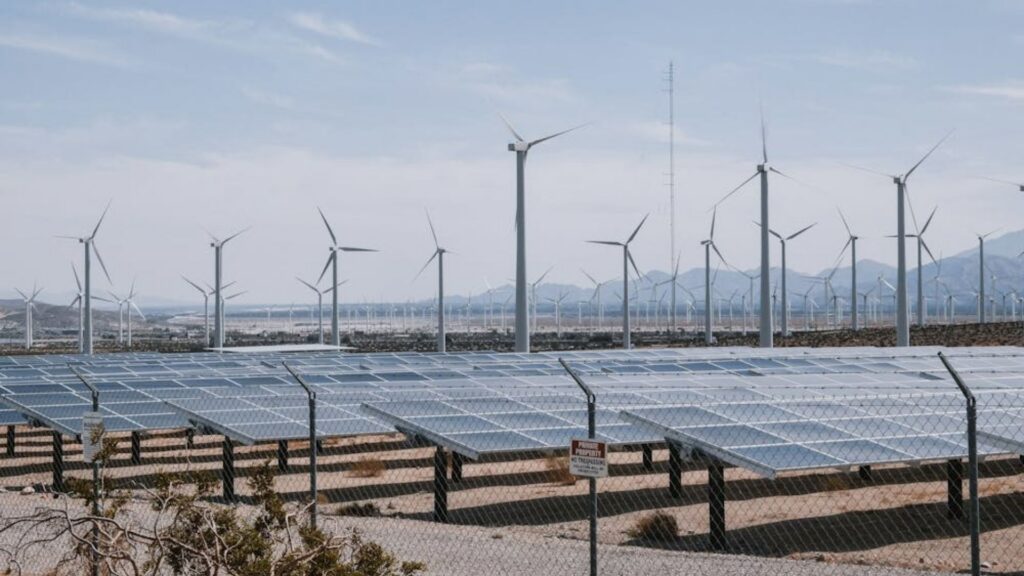
Despite their disagreement on acceleration, Mann and Rahmstorf share the same bottom line. “The planet is warming at a roughly constant rate, and that’s bad enough. It will continue to do so until carbon emissions reach zero,” Mann told CNN. Rahmstorf was direct, saying how quickly warming continues “ultimately depends on how rapidly we reduce global CO2 emissions.”
Decades of Evidence, and Emissions Are Still Rising

Rahmstorf, who has studied climate change since the 1990s, told CNN he never imagined policymakers would get such clear evidence of a serious threat and still not act. He pointed to a growing “backlash” against climate action, particularly in the United States. The study doesn’t identify what’s driving the acceleration, but its authors are direct: the pace of warming from here depends entirely on how fast the world cuts fossil fuel emissions.
PetsFanatic Team
Pet Care Expert & Content Creator
Passionate about sharing knowledge and tips for better pet care. Writing about everything from pet health to training techniques.