
Giant Squid DNA Detected in Western Australian Waters for First Time in 25 Years
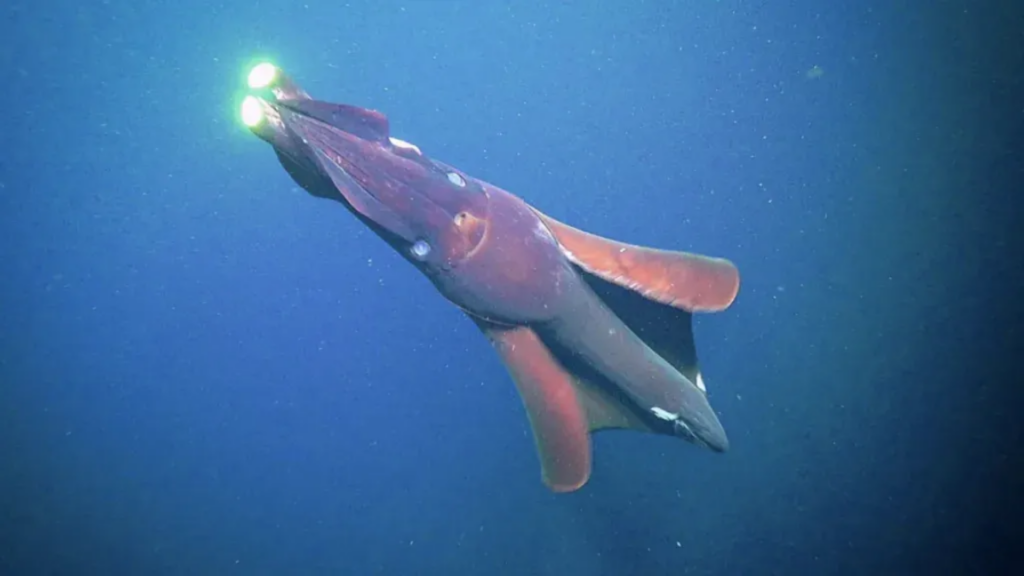
Scientists have detected genetic traces of a giant squid in Western Australian waters for the first time in more than 25 years, using advanced environmental DNA (eDNA) technology. The discovery was made during a large-scale deep-sea biodiversity study led by researchers from Australian institutions and the Schmidt Ocean Institute. According to the study published in Environmental DNA, water samples collected from deep submarine canyons revealed evidence of the elusive species Architeuthis dux, marking a major breakthrough in marine exploration. Researchers say the finding highlights how much of the deep ocean remains unexplored and biologically unknown.
What the Discovery Actually Found
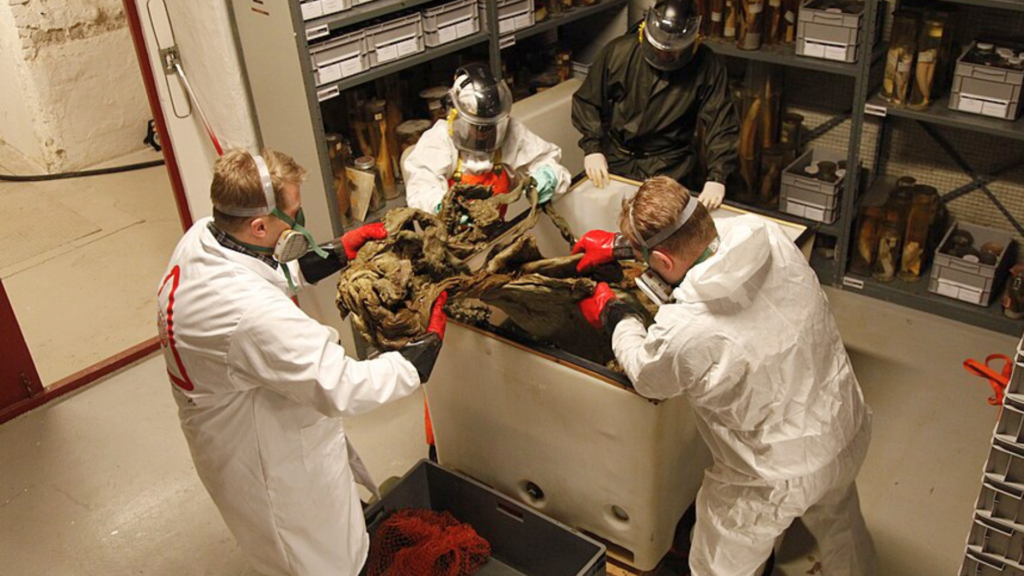
The discovery was not a live sighting of a giant squid, but instead genetic material left behind in the ocean, known as environmental DNA. Researchers detected fragments of squid DNA in samples collected from deep underwater canyons near the Ningaloo coast. This method allows scientists to identify species presence even when the animals themselves are not physically observed. The results confirmed that giant squid had been present in the region after a gap of more than two decades without verified records.
Where the Samples Were Collected

The samples were collected from submarine canyons in the Cape Range and Cloates regions off Western Australia. These underwater environments reach depths of more than 4,000 meters and are considered some of the least explored marine ecosystems on Earth. Researchers used both surface and deep-water sampling techniques to gather a wide range of genetic material. The remote and extreme conditions make direct observation of species like the giant squid extremely rare.
First Detection in Over 25 Years

Before this study, there had been no confirmed giant squid record in Western Australian waters for over 25 years. Scientists say this makes the finding especially significant because it confirms the species still inhabits the region despite its extreme rarity. The detection also extends the known range of the species further north in the eastern Indian Ocean. Researchers described it as the first verified eDNA record of giant squid in this part of Australia.
How eDNA Technology Made the Breakthrough Possible

Environmental DNA technology works by collecting traces of genetic material shed by organisms into seawater, including skin cells, mucus, and waste particles. Scientists then sequence this material to identify which species are present in a given environment. This approach is especially powerful in deep-sea research, where direct observation is extremely difficult. The study identified more than 200 marine species in total using this method.
A Region Full of Hidden Marine Life
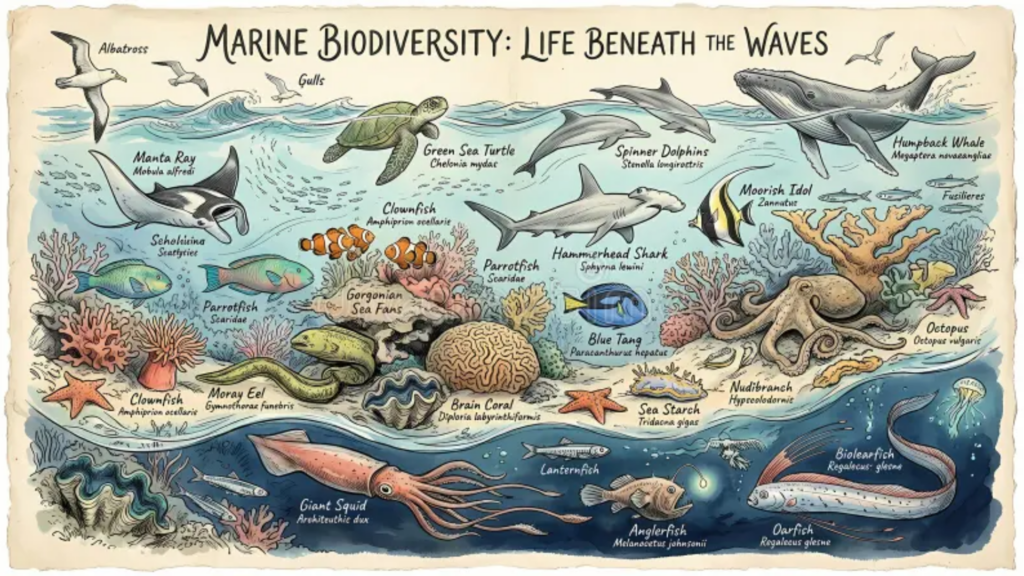
Beyond the giant squid detection, researchers also found evidence of whales, sharks, and other rarely seen deep-sea species in the same region. The study highlights the biodiversity richness of Western Australia’s deep submarine canyons, which have been largely unexplored until recently. Scientists believe many additional species in the area may still be undiscovered or undocumented. The findings suggest the ecosystem is far more complex than previously understood.
Why Giant Squids Are So Hard to Find
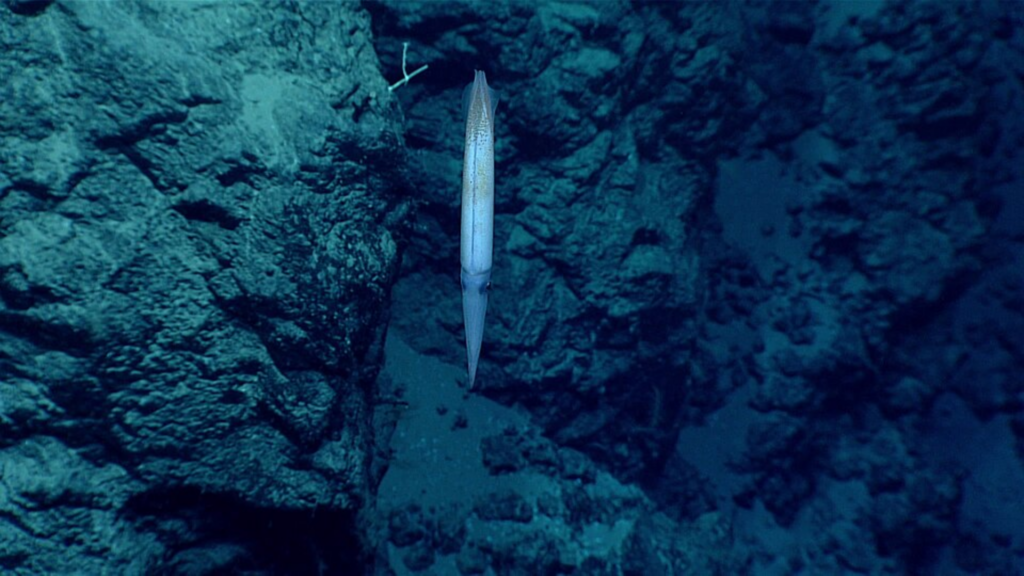
Giant squids are among the most elusive creatures in the ocean because they live at extreme depths in low-light environments. They can grow up to more than 10 meters long and are rarely seen alive by humans. Most scientific knowledge of the species comes from stranded specimens or rare deep-sea footage. Their deep habitat makes environmental DNA one of the only reliable ways to track their presence in many regions.
What Scientists Are Trying to Learn Next
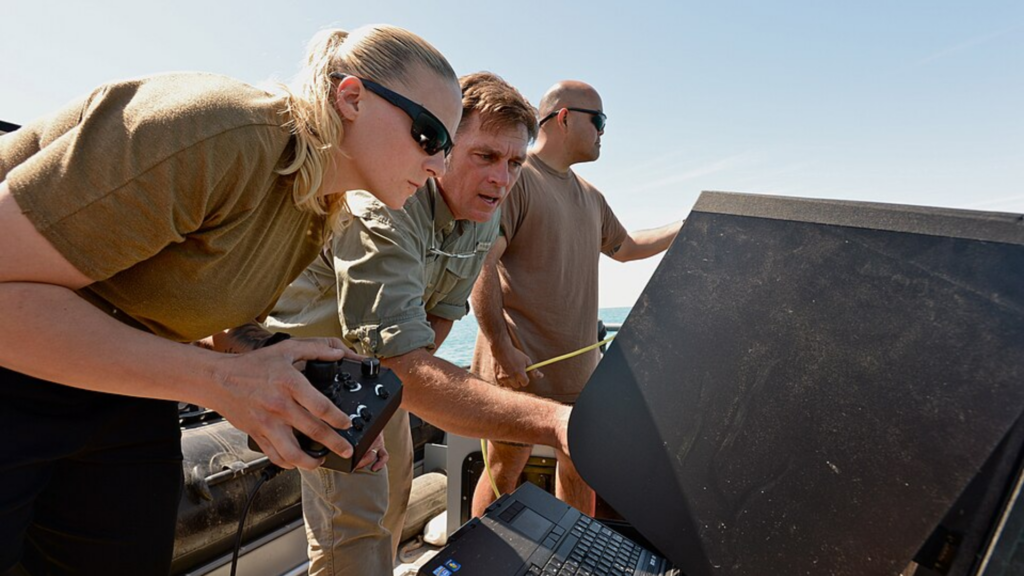
Researchers now hope to expand eDNA surveys to better understand how widely giant squid populations are distributed across the Indian Ocean. They also aim to determine whether the species is more common in deep canyon systems than previously believed. Future studies may combine DNA sampling with deep-sea camera systems and robotic submersibles. Scientists say continued exploration could reveal entirely new species living in these environments.
Why This Matters for Ocean Science
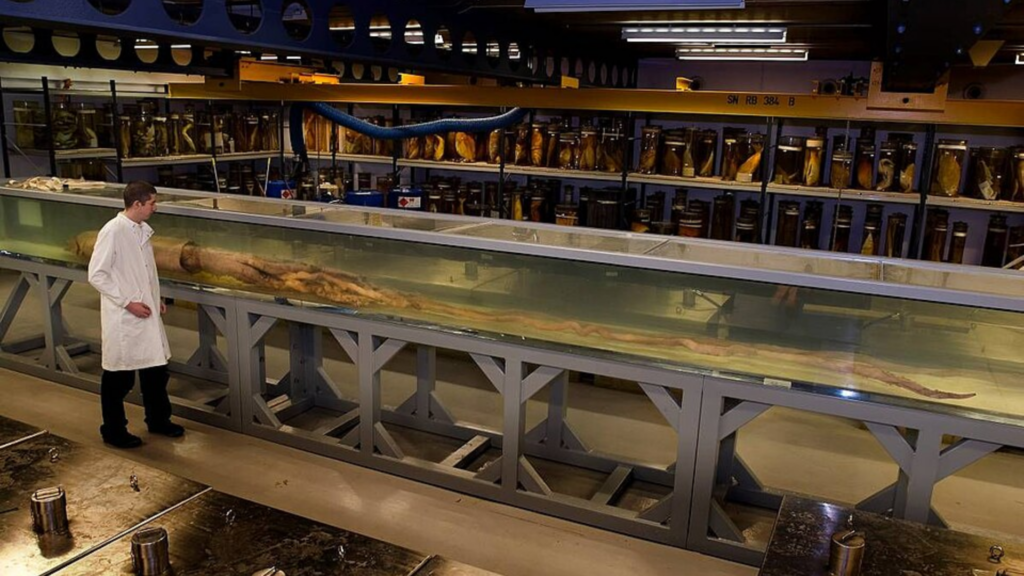
The discovery underscores how little is still known about deep-ocean ecosystems and how rapidly marine science is evolving. Environmental DNA is transforming the ability to track species without direct observation, especially in extreme environments. Researchers say this approach could reshape global understanding of marine biodiversity and migration patterns. It also emphasizes the importance of protecting deep-sea habitats that remain largely unexplored
A Major Step in Deep-Ocean Discovery
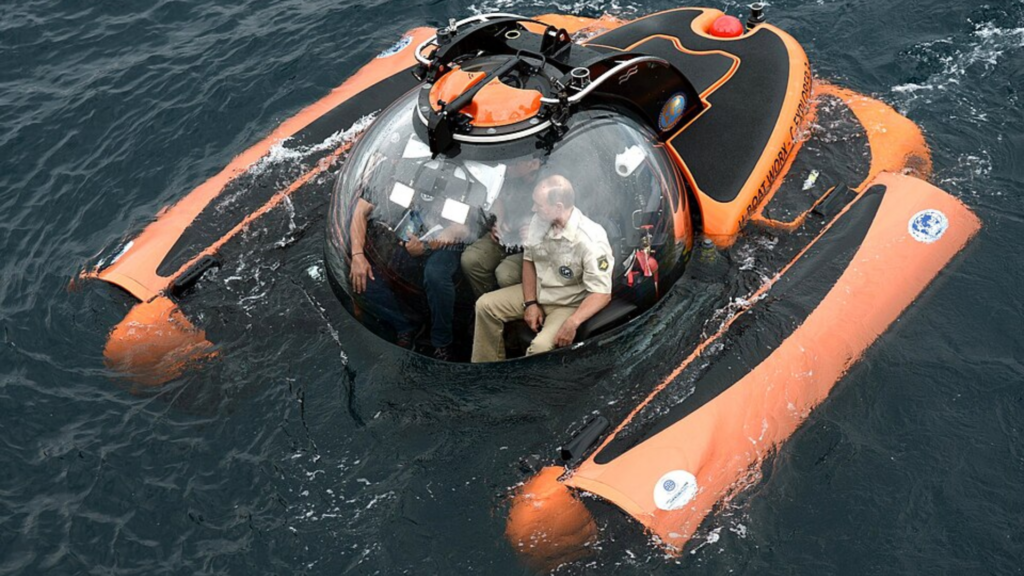
The detection of giant squid DNA in Western Australian waters marks a significant milestone in marine science, confirming the species’ presence in a region where it had not been recorded for decades. Using environmental DNA technology, researchers have opened a new window into deep-sea biodiversity that was previously inaccessible. While the discovery does not involve a physical sighting, it provides strong evidence of the squid’s continued existence in these remote ecosystems. The findings reinforce how much of the ocean remains undiscovered and how modern science is rapidly changing what we know about life beneath the waves.
PetsFanatic Team
Pet Care Expert & Content Creator
Passionate about sharing knowledge and tips for better pet care. Writing about everything from pet health to training techniques.