
Giant Jellyfish With Painful Stings Raise Safety Concerns at U.S. Beaches

Beachgoers across parts of the northeastern United States are being urged to stay alert after unusually large numbers of giant lion’s mane jellyfish washed ashore and appeared in coastal waters. Local officials have issued public safety warnings as sightings increased along beaches in Massachusetts and other parts of New England, raising concerns about painful stings and safe swimming conditions.
The lion’s mane jellyfish is the largest known species of jellyfish in the world. While many specimens are much smaller, some can grow to several feet across, and the longest recorded tentacles have reached an astonishing 120 feet in length. Those tentacles contain thousands of stinging cells capable of delivering painful stings to people who come into contact with them.
Although encounters are rarely life-threatening for most healthy people, officials say swimmers should avoid touching the jellyfish altogether, even if they appear to be dead, because the tentacles can remain capable of stinging long after the animal has washed ashore.
Why Officials Are Issuing Warnings

Communities across Massachusetts have reported thousands of lion’s mane jellyfish appearing along stretches of coastline from the North Shore to Cape Cod. Several municipalities have issued advisories urging residents to keep children and pets away from stranded jellyfish and to avoid handling detached tentacles under any circumstances.
One reason for the heightened concern is that the jellyfish remain dangerous even after they die. Experts say detached tentacles can continue delivering painful stings for up to 25 days, meaning animals washed onto beaches may still pose a hazard long after they stop moving.
Marine scientists say predicting large jellyfish blooms remains difficult because many environmental factors influence where they appear. Water temperature, ocean currents, tides, and wind patterns can all concentrate jellyfish in coastal areas, making some seasons much more active than others.
What Beachgoers Should Do If They Encounter One
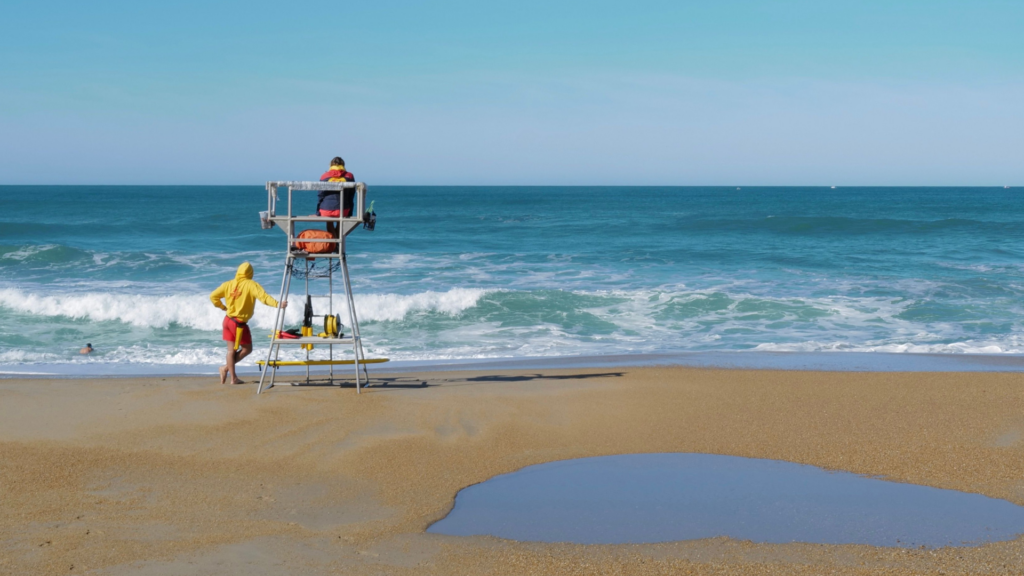
Wildlife experts emphasize that the safest response is simply to avoid contact. Swimmers who spot a lion’s mane jellyfish in the water should move away carefully and notify a lifeguard or local beach officials. People walking along the shore should resist the temptation to touch stranded jellyfish, even for photographs or closer inspection.
If someone is stung, health experts recommend carefully removing any remaining tentacle fragments with tweezers or another suitable tool without rubbing the skin. The affected area should then be soaked in hot water, typically between 110°F and 113°F, for about 20 to 45 minutes to help relieve pain. Applying hydrocortisone cream afterward may also help reduce irritation. Contrary to a long-standing myth, urine should not be used to treat jellyfish stings.
Most stings cause localized pain, redness, and irritation, but anyone experiencing severe reactions such as difficulty breathing, widespread swelling, dizziness, or signs of an allergic response should seek immediate medical attention.
Staying Safe While Enjoying The Beach

Despite the recent increase in sightings, experts stress that beaches remain open and safe for most visitors who stay aware of their surroundings and follow local advisories. Many swimmers enjoy the ocean every day without encountering jellyfish, and lifeguards regularly monitor beaches when large numbers are reported.
Officials recommend checking local beach conditions before heading out, paying attention to posted warnings, and supervising children closely near the water during periods of increased jellyfish activity. Pets should also be kept away from stranded jellyfish because they can be stung just as easily as people.
Ultimately, the arrival of these giant jellyfish serves as a reminder that marine wildlife is a natural part of the coastal environment. With a little caution and awareness, beachgoers can continue enjoying the shoreline while avoiding painful encounters with one of the ocean’s most impressive and well-defended creatures.
PetsFanatic Team
Pet Care Expert & Content Creator
Passionate about sharing knowledge and tips for better pet care. Writing about everything from pet health to training techniques.