
Gas Prices Surge 50% as Arctic Front Could Leave Hundreds of Thousands Without Heat for Days

Natural gas futures jumped more than 50 percent over two days as a dangerous Arctic front hit the United States. The spike puts prices on track for their biggest weekly gain in over three decades, according to Bloomberg. AccuWeather reports that 100 to 200 million Americans are turning up their thermostats as temperatures drop. “Potentially hundreds of thousands of people may go without electricity and heat for days,” AccuWeather Chief Meteorologist Jonathan Porter warned, adding that more than two dozen states will be in the storm’s path.
Electricity Bills Already Rose $116 Per Household Before the Current Crisis

Household electricity bills grew 6.7 percent during the first year of Trump’s second presidency, according to an analysis of Energy Information Administration data by The Guardian. The average household paid nearly $116 more for energy compared to Biden’s final year in office. The increase stands in contrast to Trump’s recent statements in Davos, Switzerland, where he claimed to have brought down energy costs. Meanwhile, Americans are turning on their heating as the Arctic front continues.
Middle-Income Families Now Struggle to Keep Power On, Official Warns

The burden of high energy costs has expanded beyond low-income households. “It used to be the poorest Americans who struggled with their power bills, but now we are seeing more and more middle-income families who have to make sacrifices to avoid being shut off,” Mark Wolfe, executive director of the National Energy Assistance Directors Association, told The Guardian. He added that there is a limit to how much people can sacrifice, which concerns officials as heating becomes essential.
Washington D.C. Electricity Costs Jumped 23 Percent, Indiana Rose 17 Percent

Residents in Washington, D.C., saw the biggest increase in energy costs, with bills jumping 23 percent, according to The Guardian’s analysis. Indiana saw the second-largest increase, with costs rising 17 percent. Wolfe told The Guardian that instead of reducing electric bills by 50 percent, the president’s actions have raised the cost of home energy for all Americans. The regional disparities show uneven impacts as winter weather intensifies demand across the country.
Meteorologist Warns People Underestimate the Severity of Incoming Conditions

Much of the East Coast and Midwest will see snow and sleet this week, with roads expected to become clogged and thousands of flights cancelled. Some areas face wind chills 20 to 30 degrees below actual temperatures as Arctic air moves across the country. Meteorologist Ryan Maue told The Independent that people are underestimating how bad conditions will be. The combination of extreme cold and strained infrastructure presents challenges for affected regions.
Oil Prices Tell a Different Story, Dropping From $73 to $59 Per Barrel

Despite rising electricity costs, the actual cost of oil dropped under Trump. When he took office in January 2025, a barrel of oil cost $73.15, and that price fell to $58.88 by the end of the year, according to the EIA. The cost of a gallon of gasoline, paid by drivers at the pump, also fell 10 percent. Dan Pickering, chief investment officer at Pickering Energy Partners, told NPR that political dynamics drove at least half of oil’s 20 percent decline.
Global Oversupply Drove Gasoline Costs Down

The cost of gas is not under the president’s direct control. Instead, the biggest factor influencing gasoline prices is the cost of crude oil, which was cheaper last year due to a global oversupply. Trump’s pressure on OPEC may have caused prices to fall slightly, according to Pickering, but that is far from the only factor. He told NPR that as 2026 progresses, political dynamics will still be at play, but international market forces remain dominant.
Experts Say Investment in Renewable Energy Could Lower Costs

James Coleman, a senior fellow at the conservative American Enterprise Institute, told NPR that policy approaches to new energy investment directly affect consumer costs. “As a general matter, the thing that you can do that most clearly helps reduce prices is to remove barriers to new energy investment,” he said. “And the thing that basically just increases prices is increasing uncertainty or barriers to energy,” Coleman said. Investing in energy sources beyond oil could cut costs.
Trump Dismisses Wind Energy Investment Despite Expert Recommendations

Speaking at Davos, Trump said that only “stupid people buy windfarms” and criticized Europe for investing in them. The statement came as experts noted that greater investment in renewable energy could help reduce energy costs. Trump has declined to build more wind farms in the United States. The position reflects his broader energy approach as American households face rising electricity bills and emergency heating needs during the current Arctic conditions affecting millions nationwide.
The Energy Department and White House Have Not Commented on Cost Increases
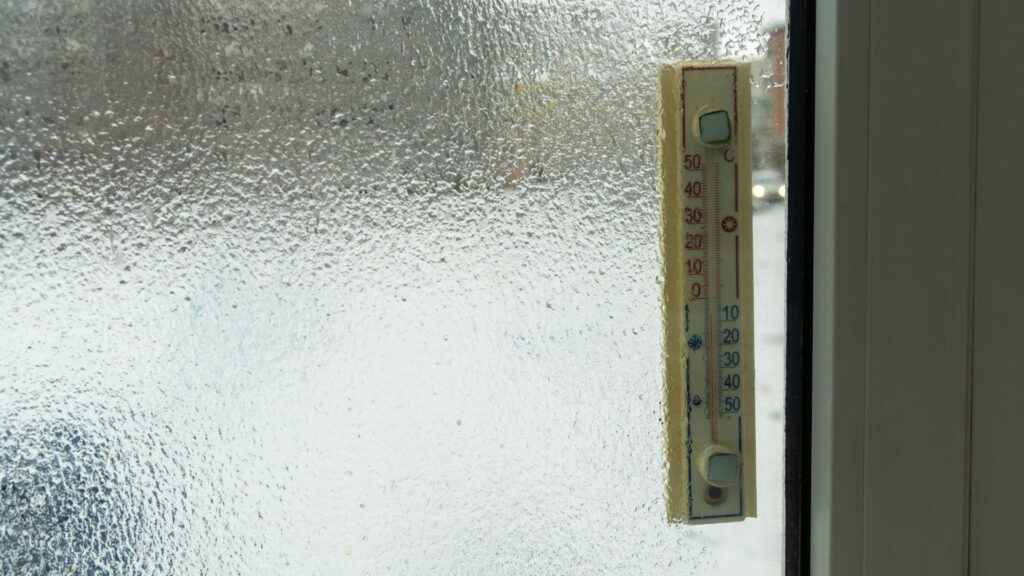
While Trump claims energy cost reductions at international summits, American households confront 6.7 percent electricity bill increases and emergency heating needs during a dangerous cold front. The Independent has contacted the Department of Energy and the White House for comment. As extreme weather patterns continue, debates over energy infrastructure investment, renewable sources, and consumer protection grow more urgent across policy circles and among families struggling with rising bills.
PetsFanatic Team
Pet Care Expert & Content Creator
Passionate about sharing knowledge and tips for better pet care. Writing about everything from pet health to training techniques.