
Gardener’s ‘Micro Tomatoes’ Prompted Warnings They Were Poisonous Lookalikes
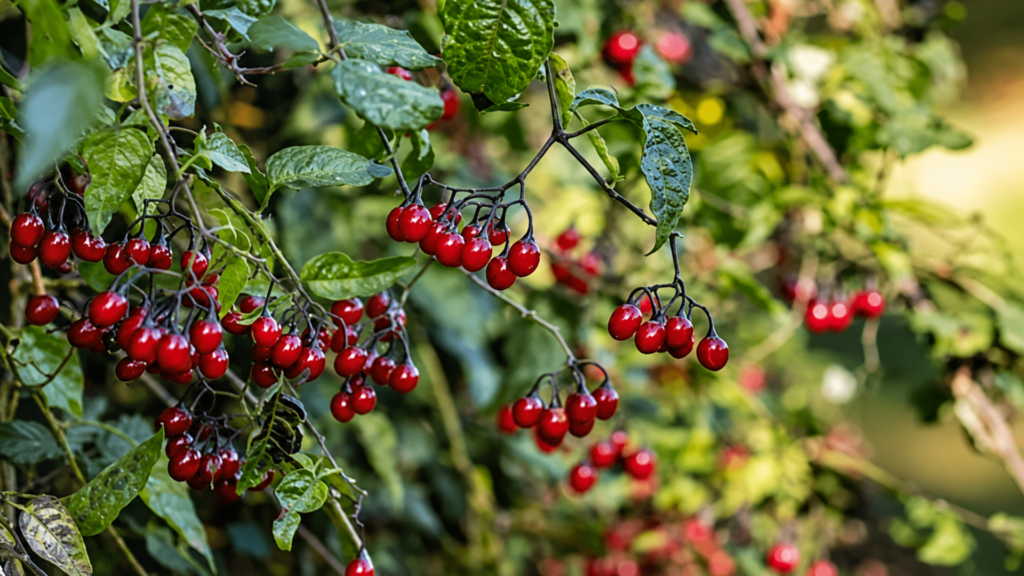
A simple photo of tiny red fruit was all it took to spark a heated debate online. The gardener who shared it thought they had grown unusually small tomatoes. But within hours, commenters were warning that the mysterious fruit might not be tomatoes at all—and could be something far more dangerous.
The post picked up more than 7,000 upvotes and hundreds of comments on r/gardening, and warnings started stacking up almost immediately. One commenter wrote bluntly, “Please do NOT eat those until you are 200% sure on that plant ID!!!!!!!!!!!” That kind of urgency isn’t common on a gardening forum, which is exactly why it caught so much attention from people scrolling past.
A specific suspect emerged fast in the replies. Another commenter explained the concern directly: “This is what bittersweet nightshade looks like when the fruits get ripe.” Bittersweet nightshade is a real plant that can resemble a tomato at a glance, especially in early photos where size and color are the only details visible to someone scrolling quickly on their phone screen.
Experienced Gardeners Looked at the Same Photo and Disagreed Completely

Not everyone in the thread agreed with that identification, though. One commenter pushed back, writing, “Those are tomatoes. Looks like pimpinelli or a similar type,” pointing to a specific small tomato variety as a more likely explanation. That disagreement between confident commenters is exactly the problem: even experienced gardeners looking at the same photo reached opposite conclusions about what they were seeing.
A third commenter tried to split the difference by urging more caution rather than more certainty. “I don’t think tomatoes come that small,” they wrote, adding a direct request to double-check the plant wasn’t some other nightshade species entirely. That comment captured the thread’s overall tone: genuine uncertainty, mixed with real concern about what might happen if the identification turned out wrong.
Tomatoes and their toxic lookalikes share more biology than most home gardeners realize. One commenter explained the core issue plainly: “Tomatoes are also technically a nightshade so they look very similar. A tomato is a tasty treat, other nightshades will make you very ill.” That shared family tree is exactly why appearance alone can’t reliably separate a safe fruit from a genuinely dangerous one.
The Poster Already Ate the Fruit Before Reading the Warnings

Despite the pile of warnings, the original poster admitted they had already eaten the fruit before reading any of the replies. “Too late. Taste like tomatoes,” they wrote back, a response that drew visible concern rather than relief from commenters who had spent the thread urging caution. Tasting similar to a tomato doesn’t confirm a plant’s identity, even if the fruit happened to be harmless this time.
Misidentifying a backyard plant is a genuinely common risk, not a rare fluke limited to one confusing Reddit thread. Saved seeds, informally traded plant starts, and volunteer seedlings that simply sprout on their own can all introduce look-alikes, unexpected hybrids, or mislabeled plants into a garden without any warning label attached to explain what actually grew there in the first place.
Members of the nightshade family in particular can look remarkably alike while carrying very different levels of risk. Tomatoes, potatoes, and peppers all belong to this same plant family alongside genuinely toxic relatives like bittersweet nightshade. Sharing a family resemblance does not mean sharing the same safety profile, a distinction that matters far more with food than with most other garden decisions.
A Confident Guess Online Is Never a Substitute for a Real ID
The safest response to an unexpected fruit isn’t a guess, even a confident one from an experienced gardener. Experts recommend getting a firm identification from a trusted local source, such as a cooperative extension office, a native plant society, or an experienced nursery professional, before eating anything a garden produces unexpectedly on its own without a clear label or planting record attached.
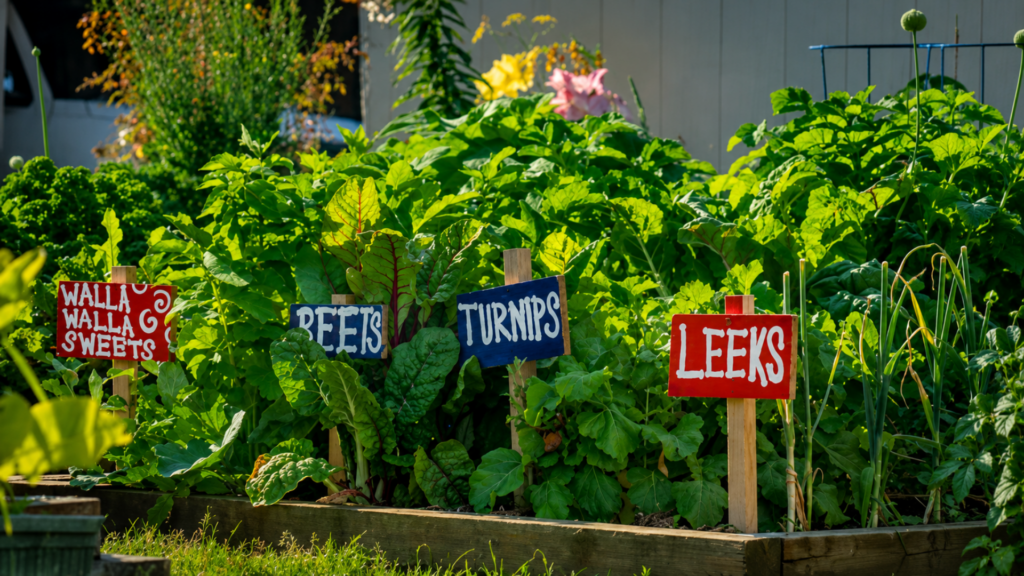
Simple habits can prevent this exact kind of confusion before it ever starts. Labeling seedlings clearly, saving original seed packets, and physically separating ornamental nightshades from edible crops all reduce the odds of a genuine mix-up happening later. Garden apps and online communities can offer a useful starting point for identification, but they were never designed to be the final word on safety.
What this thread really exposed wasn’t one confusing plant photo. It was how quickly internet strangers can split into confident, opposing camps over something that actually matters for someone’s health, and how easily a poster can eat first and ask questions second. A tomato and a toxic lookalike can share a family tree, a color, and a size, right up until one of them makes you sick.
PetsFanatic Team
Pet Care Expert & Content Creator
Passionate about sharing knowledge and tips for better pet care. Writing about everything from pet health to training techniques.