
From the Deep: A “Lost” Ocean Probe Returns With a Warning Scientists Say We Can’t Undo

A robotic ocean float believed to be lost resurfaced after drifting beneath Antarctic ice shelves for over two years. Originally deployed to monitor waters near the Totten Glacier, the instrument vanished in one of the most inaccessible regions on Earth. Scientists feared the data was gone forever. Instead, the probe returned with measurements that may reshape our understanding of glacier stability.
How the Ocean Float Disappeared Without a Trace

The probe was designed to move with ocean currents and periodically surface to transmit data. At some point, it slipped beneath thick ice shelves, cutting off GPS communication. For nine months, it continued collecting measurements in complete isolation. This kind of prolonged under-ice data collection is extremely rare.
What the Probe Measured While No One Was Watching

During its disappearance, the float recorded temperature and salinity levels from the seafloor up to the base of the ice shelf. These measurements reveal how warm ocean water interacts with Antarctic ice from below. This process plays a critical role in glacier melting. Until now, scientists had limited direct observations from these depths.
Why Location Uncertainty Didn’t Make the Data Useless

Because the probe could not transmit GPS coordinates, researchers could not pinpoint its exact path. However, scientists compared the readings with satellite observations and ocean models. This allowed them to estimate where the data was likely collected. Even with uncertainty, the information proved scientifically valuable.
A Tale of Two Ice Giants

The recovered data revealed contrasting futures for two major Antarctic ice formations. The Shackleton Ice Shelf appeared relatively resistant to melting. In contrast, the Denman Glacier showed signs of extreme vulnerability. Small changes in ocean heat could cause significant destabilization.
Why the Denman Glacier Alarms Scientists

The Denman Glacier sits on a deep bedrock basin, making it especially sensitive to warm water intrusion. Once melting accelerates, the glacier could retreat rapidly. Scientists warn this type of retreat is unstable. When it starts, stopping it becomes nearly impossible.
The Point of No Return Beneath the Ice

Researchers emphasize that glacier retreat is not always gradual or reversible. Once certain thresholds are crossed, ice loss continues even if conditions later stabilize. The study’s authors describe this as a commitment to long-term sea-level rise. As they wrote, “There’s no going back.”
Why Ocean Measurements Matter More Than Ever
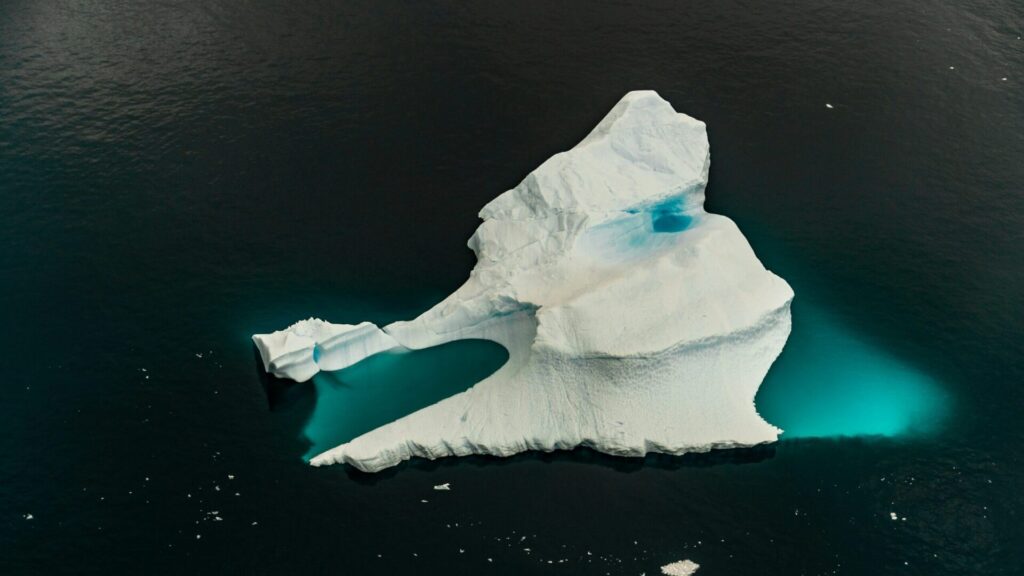
Most glacier melting happens from below, where warm seawater erodes ice shelves. Measuring these hidden interactions helps scientists predict future sea-level rise. Without under-ice data, models remain incomplete. The recovered probe filled a critical observational gap.
What Antarctic Melting Means for the Rest of the World

Melting Antarctic glaciers affect global sea levels, not just polar regions. Rising seas increase coastal flooding, erode shorelines, and threaten freshwater supplies. Entire communities may be displaced over time. The impacts will unfold over centuries, but the decisions driving them are happening now.
Why This Discovery Changes the Climate Conversation
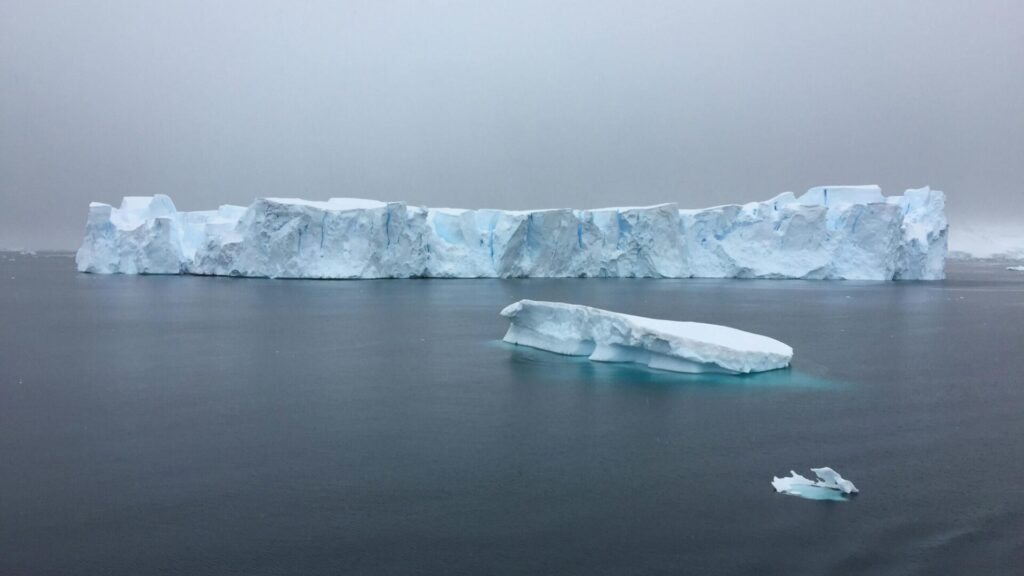
The return of the lost probe made Antarctic change tangible and measurable. It transformed abstract climate projections into concrete evidence. Scientists now have stronger data linking ocean heat to irreversible ice loss. This discovery underscores why continued observation—and action—are no longer optional.
PetsFanatic Team
Pet Care Expert & Content Creator
Passionate about sharing knowledge and tips for better pet care. Writing about everything from pet health to training techniques.