
Friendly Raccoon Keeps Coming Back After Child’s Kind Gesture Changes Everything
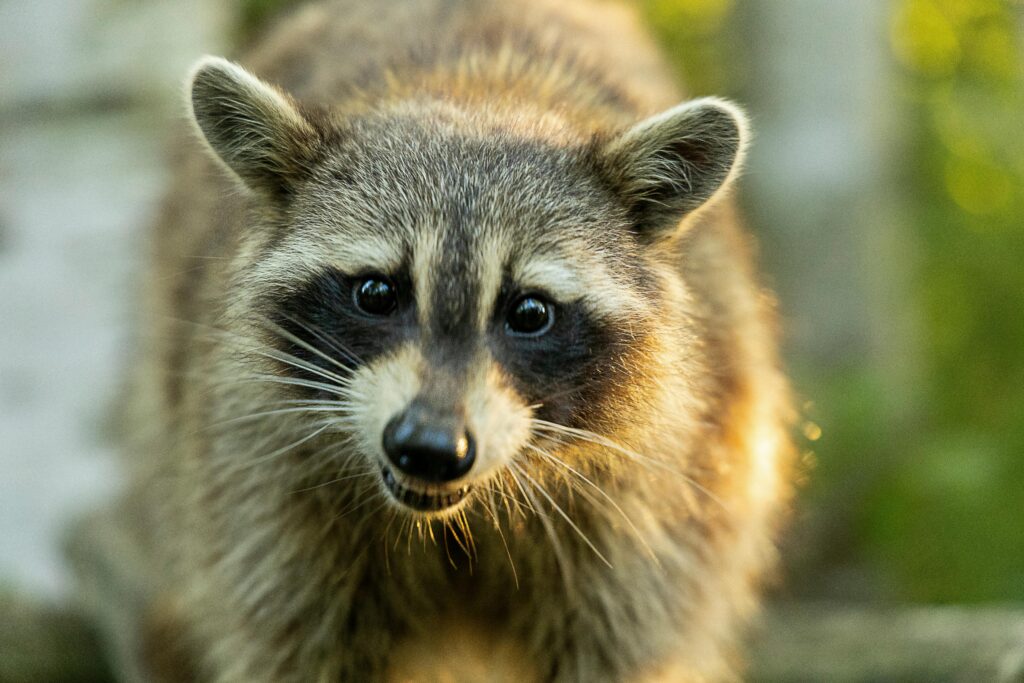
What began as a sweet interaction between a child and a hungry raccoon soon became a daily routine that turned one family’s porch into an unlikely wildlife hangout. The animal seemed calm, approachable, and even comfortable around people, but its growing attachment raised questions the family never expected to face.
One Small Feeding Changes Everything

According to a Reddit post, one of the children had been feeding the raccoon before the adults realized what was happening. Once the animal began associating the home with food, it started returning repeatedly and eventually treated the porch as a favorite resting place. Wildlife experts frequently warn that even a single feeding can alter an animal’s behavior and encourage repeated visits.
A Friendly Face Creates A Difficult Situation

The family described the raccoon as unusually friendly, making the situation emotionally complicated. While they appreciated the animal’s gentle demeanor, they also had young children and a cat to consider. Their goal was not to harm the raccoon but to find a safe and humane way to encourage it to move on.
Why Raccoons Learn So Quickly

Part of the challenge comes from the animal’s intelligence. Raccoons are known for their problem-solving abilities and strong memories. Wildlife organizations note that they can quickly learn where food is available and repeatedly return to locations that provide easy meals. Once a reliable food source is identified, changing that behavior can become difficult.
Internet Users Fall In Love With The Visitor

The story gained attention after Reddit user u/saralyn123 shared a post titled “Raccoon living on my porch” in the r/Raccoons community. The user explained that one of the family’s children had fed the raccoon, which then repeatedly returned and eventually settled on their porch. As photos of the relaxed visitor circulated, commenters became captivated by its appearance, with many describing it as an elderly raccoon enjoying a peaceful retirement. Others speculated that its unusual comfort around people could mean it had previously lived in human care. While many readers expressed sympathy for the animal and encouraged the family to let it stay, others emphasized the importance of maintaining a safe distance from wildlife despite its friendly behavior.
The Risks Behind The Cuteness

Wildlife specialists caution that friendly behavior should not be mistaken for safety. Raccoons can carry diseases, including rabies, distemper, and parasites. Mass Audubon notes that unusually tame behavior can sometimes be associated with illness, and experts advise avoiding direct contact regardless of how calm the animal appears.
Why Experts Discourage Feeding Wildlife

The story illustrates a common wildlife management problem. When animals begin relying on human-provided food, they can lose their natural caution around people. That can increase the likelihood of conflicts, property damage, relocation efforts, or, in severe cases, euthanasia. What feels like a compassionate gesture in the moment can create long-term challenges for both animals and humans.
Humane Solutions Begin With Removing Attractions

Wildlife guidance generally focuses on removing whatever attracted the animal in the first place. Experts recommend securing trash cans, bringing pet food indoors, cleaning up birdseed, and eliminating any intentional feeding. Motion-activated lights or sprinklers can also make a property less inviting without harming the animal.
The Debate Over Wild Animals And Human Compassion

The raccoon’s story sparked a broader conversation about how people should respond to wildlife that appears needy or affectionate. Many readers sympathized with the animal and admired the family’s concern. At the same time, wildlife experts emphasize that maintaining distance often serves the animal’s best interests by preserving its natural behaviors and reducing dangerous encounters.
What Happens Next Matters Most

Whether this raccoon eventually moves on or continues returning, the family’s experience highlights how quickly relationships between humans and wildlife can form. A single act of kindness changed the animal’s routine and created a lasting lesson about coexistence. As communities increasingly share space with adaptable species like raccoons, the challenge will be finding ways to appreciate these animals without encouraging them to depend on us.
PetsFanatic Team
Pet Care Expert & Content Creator
Passionate about sharing knowledge and tips for better pet care. Writing about everything from pet health to training techniques.