
Found Deer Antlers in the Woods? Experts Warn To Leave Them Alone

If you’ve ever come across a set of deer antlers while walking through the woods, it might feel like a lucky find worth taking home, but experts say it’s better to leave them exactly where they are. During late winter and early spring, deer naturally shed their antlers as part of their annual cycle, a process driven by hormonal changes after mating season.
While these antlers may look like harmless souvenirs, scientists and wildlife officials are warning that removing them can actually disrupt the natural environment in ways many people don’t realize. What seems like a simple act of collecting can interfere with ecosystems that depend on these materials for survival.
This growing awareness has led to increased guidance from experts urging hikers, hunters, and outdoor enthusiasts to resist the temptation, especially during shedding season when wildlife is already under stress and particularly vulnerable.
Why Antlers Matter More Than You Think
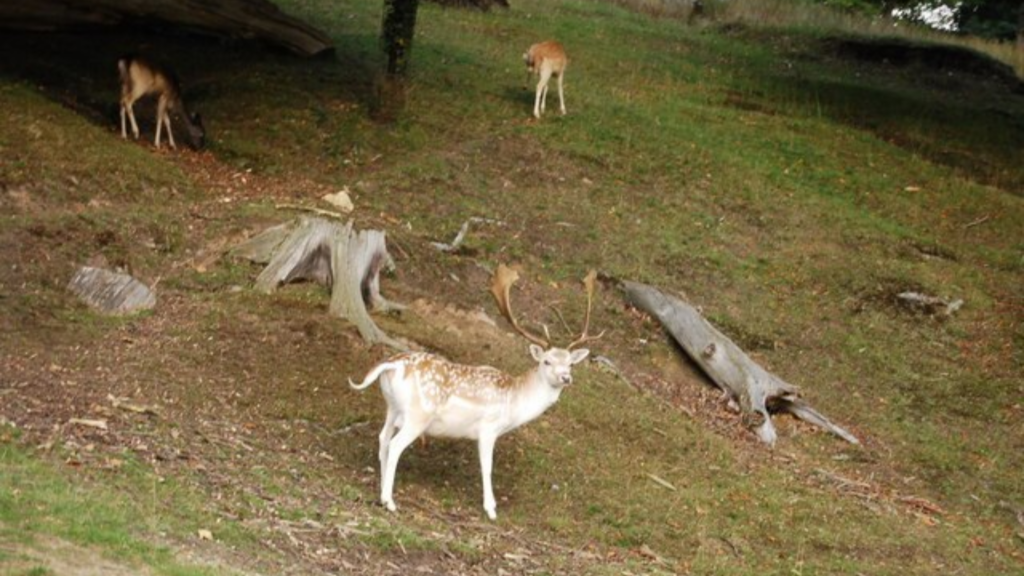
Shed antlers play an important role in the ecosystem, acting as a valuable source of nutrients for a wide range of animals that rely on them for survival. Rodents such as squirrels, mice, and porcupines regularly gnaw on antlers to obtain calcium and phosphorus, minerals that are essential for bone growth, reproduction, and overall health.
In addition to serving as a food source, antlers can also contribute to the structure of natural habitats, providing materials that animals use for nesting or shelter. Over time, they break down and return nutrients to the soil, supporting the broader cycle of life within the forest environment.
By removing antlers from the wild, humans unintentionally interrupt these natural processes, depriving other species of important resources and altering the balance of the ecosystem in subtle but meaningful ways.
The Hidden Risks Of Picking Them Up
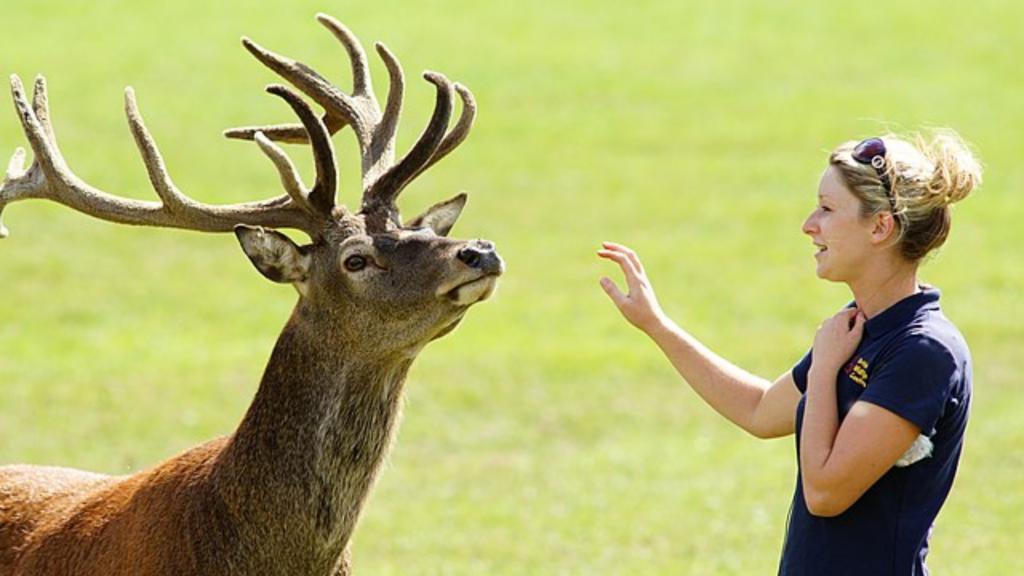
Beyond environmental concerns, picking up antlers can also pose risks, including the potential spread of disease. Some antlers may carry pathogens such as chronic wasting disease, which affects deer populations and can spread if contaminated materials are moved to new areas.
Another major concern is the disturbance of wildlife during a critical time of year, as deer and other animals are often at their weakest after winter and need to conserve energy. Human activity, even something as simple as searching for antlers, can cause animals to move unnecessarily, burning energy they need to survive.
In some regions, collecting antlers is also regulated or restricted, particularly during certain times of year, with penalties in place to protect wildlife from unnecessary stress. These rules reflect a broader effort to balance human activity with conservation priorities.
Why Leaving Them Behind Is The Better Choice

Experts emphasize that the best approach when encountering shed antlers is to simply observe and appreciate them in their natural setting, allowing the ecosystem to function as intended. Leaving them behind ensures that other animals can benefit and that the natural nutrient cycle continues uninterrupted.
This guidance reflects a broader principle in nature conservation, which encourages minimal human interference in natural processes, especially in environments that are already under pressure from climate change and habitat loss. Even small actions, like leaving an antler untouched, can contribute to preserving balance.
Ultimately, what may seem like a harmless keepsake is actually an important part of a larger ecological system, and by leaving it where it lies, people can play a small but meaningful role in protecting wildlife and maintaining the health of natural habitats.
PetsFanatic Team
Pet Care Expert & Content Creator
Passionate about sharing knowledge and tips for better pet care. Writing about everything from pet health to training techniques.