
Florida Zoo Shares Heartbreaking Update on Third Sloth Rescued From ‘Sloth World’
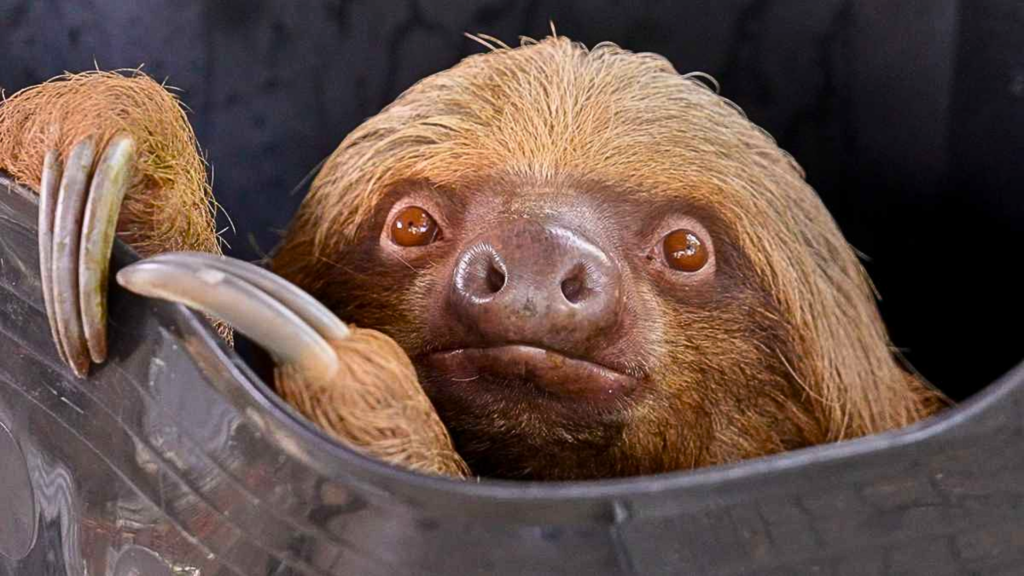
How does a planned tourist destination turn into a highly devastating animal welfare disaster before it even opens its doors? Animal lovers across the nation are mourning after the Central Florida Zoo announced the tragic passing of Dumpling, an adult sloth rescued from a failed Orlando attraction known as Sloth World. This latest loss marks the third casualty among the small group of survivors transferred to the facility, shining a harsh light on the severe consequences of the exotic pet trade and commercial wildlife exhibits in the United States.
Dumpling was one of a small group of sloths taken in by the Central Florida Zoo in Sanford on April 24, 2026, following the sudden closure of the un-opened venue. Veterinary teams and animal care specialists worked around the clock for eleven days to stabilize the animal, which arrived in highly critical condition. Despite a period of minor improvements and exhaustive medical intervention, the sloth suffered an incredibly rapid downturn caused by severe digestive and gastrointestinal issues, passing away early in the morning.
The heartbreaking loss has taken an immense emotional toll on the zoo’s staff, who have been operating under highly stressful conditions to save the remaining animals. Wildlife experts note that sloths possess an evolutionary instinct to completely hide visible signs of illness until their condition is near irreversible. This biological trait, combined with an extraordinarily slow metabolism, makes it incredibly difficult for medical teams to identify and reverse deep-seated health crises before it is too late.
The Dark Reality of the Warehouse Warehousing
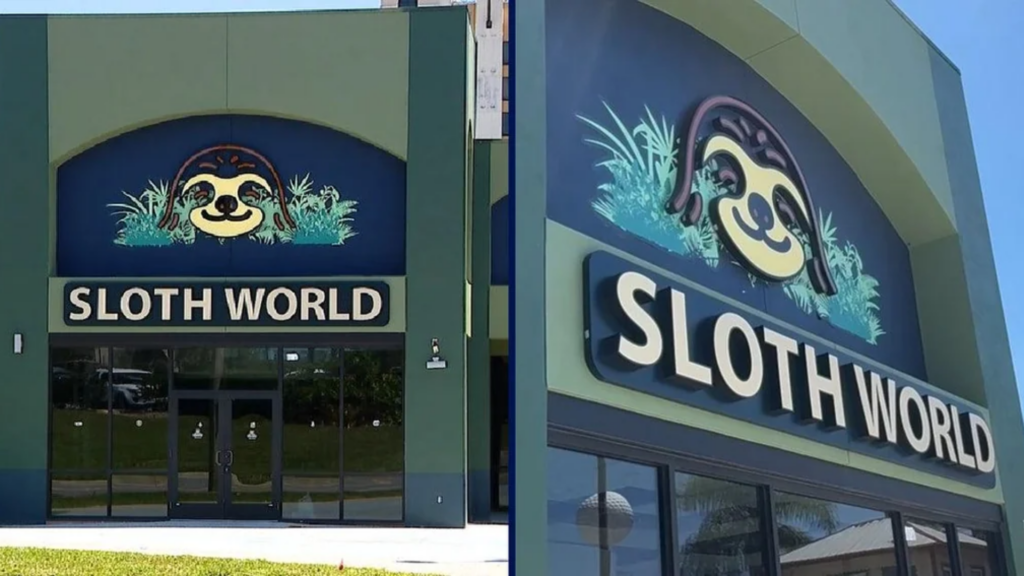
The tragedy surrounding Dumpling has exposed an ongoing investigation by the Florida Fish and Wildlife Conservation Commission into the horrific operational conditions at Sloth World. Investigators uncovered that more than fifty-five sloths, which were born in the wild before being transported to Orlando, died at the facility. The animals were kept in cages inside an industrial warehouse where organizers planned to charge tourists $49 per ticket for a brief viewing experience.
But the conditions of the warehouse were incredibly poor, and dozens of the sloths perished after being cold-stunned due to a lack of proper environmental controls. Rather than halting operations after the initial wave of fatalities, more sloths were continually brought to the facility where most eventually died. Florida Attorney General representatives have released statements confirming their commitment to pursuing justice and ensuring legal accountability where the evidence requires.
Exotic wildlife veterinarians explain that the intense physiological stress of capture, long-distance international transport, and sudden changes in diet permanently crippled the animals’ immune systems. The toxic combination of environmental neglect, wild capture, and stress ultimately proved fatal for the vast majority of the animals before the state could intervene. The attraction shut down entirely without ever opening its doors to the general public.
A Round-the-Clock Fight for the Survivors
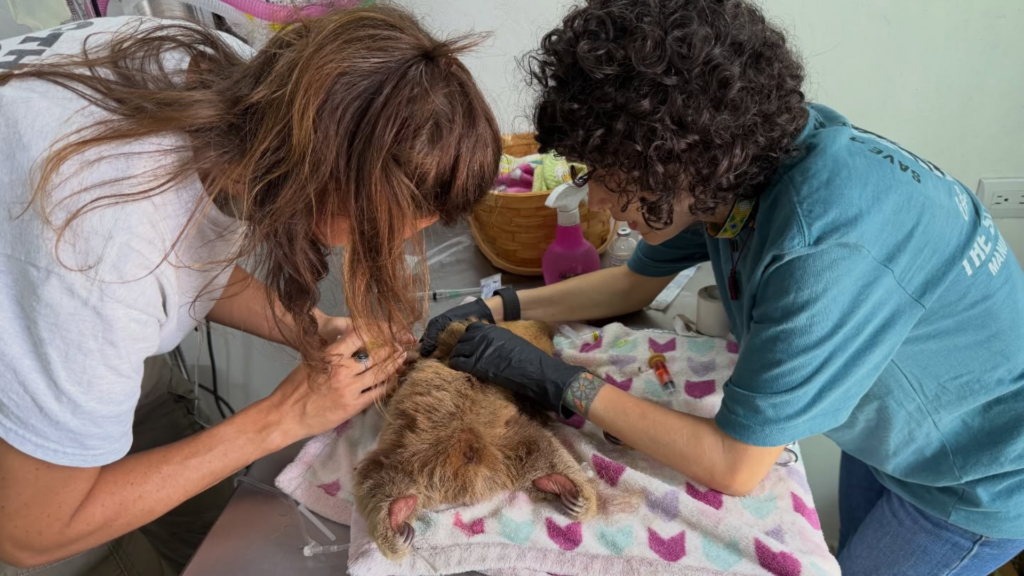
Dumpling’s death follows the closely timed losses of several other rescued sloths who succumbed to their pre-existing illnesses within days of arrival. The passing of these highly critical animals leaves behind a dwindling group of surviving sloths currently housed in a dedicated quarantine enclosure at the Central Florida Zoo. The remaining group includes at least one individual whose health status is listed as highly critical, meaning the danger has not yet passed.
The zoo’s veterinary team is utilizing advanced diagnostic tools, including detailed fluid analysis, fecal testing, and monitoring, to tailor specialized treatment plans for each survivor. The unexpected arrival of over a dozen highly compromised animals has created a massive financial and logistical strain on the non-profit park. The specialized diets, intensive emergency medications, and constant overnight staffing requirements have forced the zoo to look for community support to handle the escalating costs.
The tragic situation has caught the attention of Florida political leaders and national advocacy organizations, driving calls for stricter regulatory oversight of captive wildlife permits. State officials have since confirmed that state investigators are actively building a case to ensure legal accountability for the widespread suffering that occurred inside the warehouse. The local community has rallied behind the zoo, praising the rescue team for trying to save the remaining sloths.
The Broader Cost of Commercial Wildlife Tourism
For everyday Americans, this developing animal welfare crisis highlights a systemic issue within commercialized wildlife tourism. While individual animal deaths in the exotic pet trade rarely capture national headlines, the scale of the Sloth World disaster has brought the dark side of unaccredited animal encounters into public view.
Conservationists hope that the public outrage surrounding the Orlando warehouse will encourage consumers to rethink supporting unregulated roadside attractions and unaccredited photo-opportunity venues.
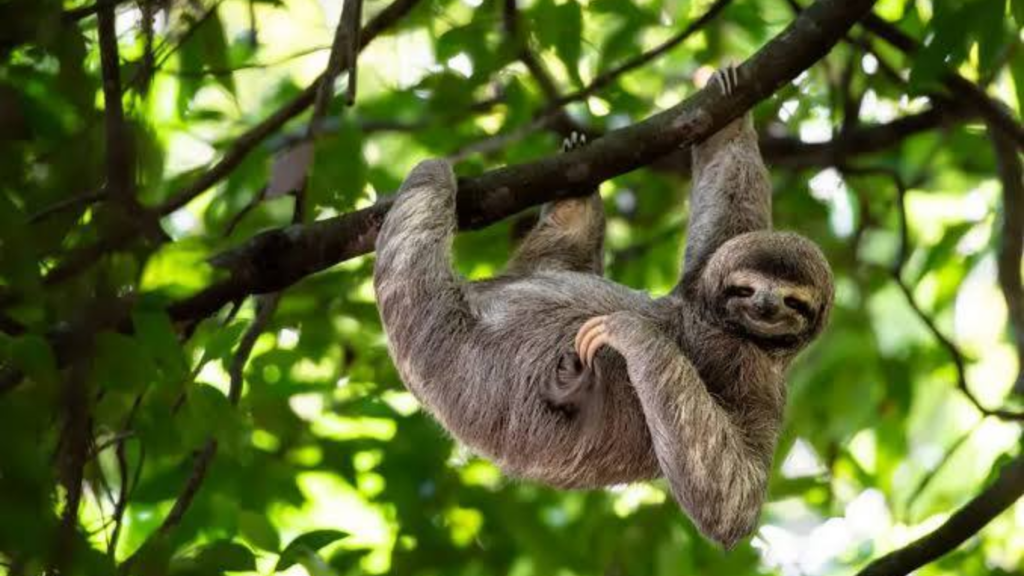
True wildlife sanctuaries emphasize that sloths are highly sensitive, solitary animals that thrive in quiet, humid canopy environments, not inside noisy tourist hubs. The absolute failure of the attraction ensures the venue will never open to the public. However, the legal and ethical fallout from the operation will likely continue to reshape state wildlife legislation and importing frameworks for years to come.
The empty treatment enclosures at the Central Florida Zoo serve as a somber reminder of the vulnerabilities of captive wildlife. As the medical team focuses entirely on preserving the lives of the remaining sloths, the community support pouring into the facility offers a glint of hope. The transition from a chaotic warehouse to a professional care setting is a long and uncertain journey, proving that the true cost of entertainment is often paid by the most innocent.
PetsFanatic Team
Pet Care Expert & Content Creator
Passionate about sharing knowledge and tips for better pet care. Writing about everything from pet health to training techniques.