
Divers Uncover Ancient Fossil Bed in Florida with Remains of Giant Horses, Sloths, and More
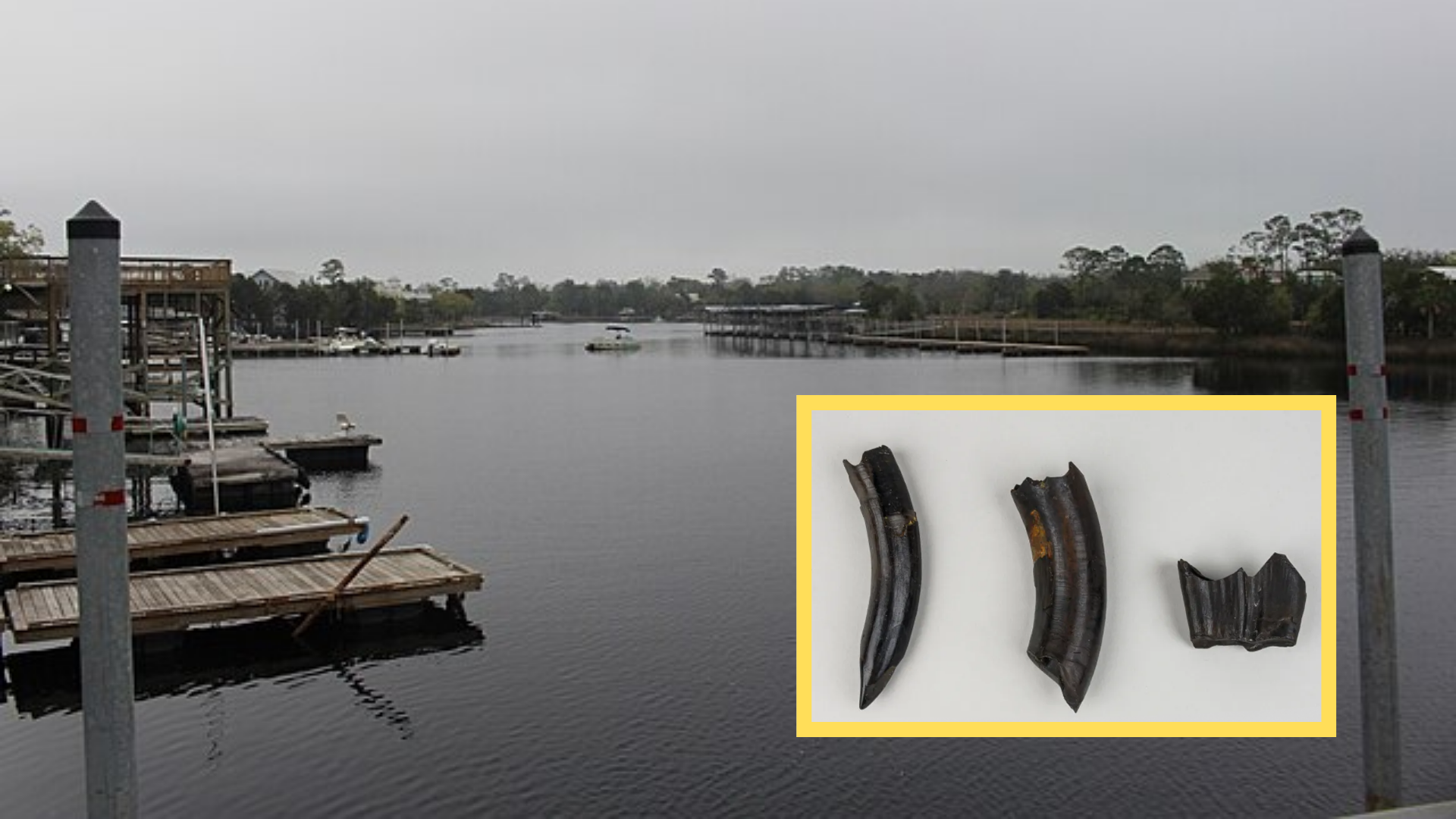
Two fossil hunters dropped into a Florida river that looked like brewed coffee and came back with a time capsule. What started as a few old horse teeth turned into a rare underwater fossil bed from about 500,000 years ago; a period scientists barely have records for.
The Steinhatchee River site is now yielding huge Ice Age mammals, possible new species, and clues about a vanished Florida landscape. And the wildest part? The river only started revealing it because it moved.
Collectors Robert Sinibaldi and Joseph Branin had been diving the Steinhatchee River for years when they noticed horse teeth in June 2022. Visibility was so low from tannins that Sinibaldi compared it to “diving in coffee,” but the pair kept searching and soon found a hoof core and an unusually preserved tapir skull. That’s when they realized they weren’t just finding scattered fossils, they were hovering over a buried graveyard.
Why this river is suddenly spitting out Ice Age bones
Half a million years ago, the dive zone was not a riverbed, it was a sinkhole. Animals wandering the area fell in, died, and were slowly buried as the pit filled with sediment. Over time, that sealed the remains in place like a natural vault. The site is now called Steinhatchee River 2A (STR 2A), and it preserves a moment when multiple species suddenly vanished into one deadly trap.
The Steinhatchee River has meandered over thousands of years. Long after the sinkhole was buried, the river shifted until it flowed directly over the old pit. Its current is now eroding the sediment layer, “rinsing” fossils free and scattering them along the riverbed. That slow geological detour is basically why hobby divers can find museum-level fossils today.
When the fossil collectors showed their finds to the Florida Museum of Natural History, researchers realized the bones came from the middle Irvingtonian era; a slice of time with very few known fossil sites in Florida, and only one previously documented in the state. That makes STR 2A unusually valuable: it fills a gap in what scientists know about North American mammals during this period.
The giant animals hiding in the “coffee” water

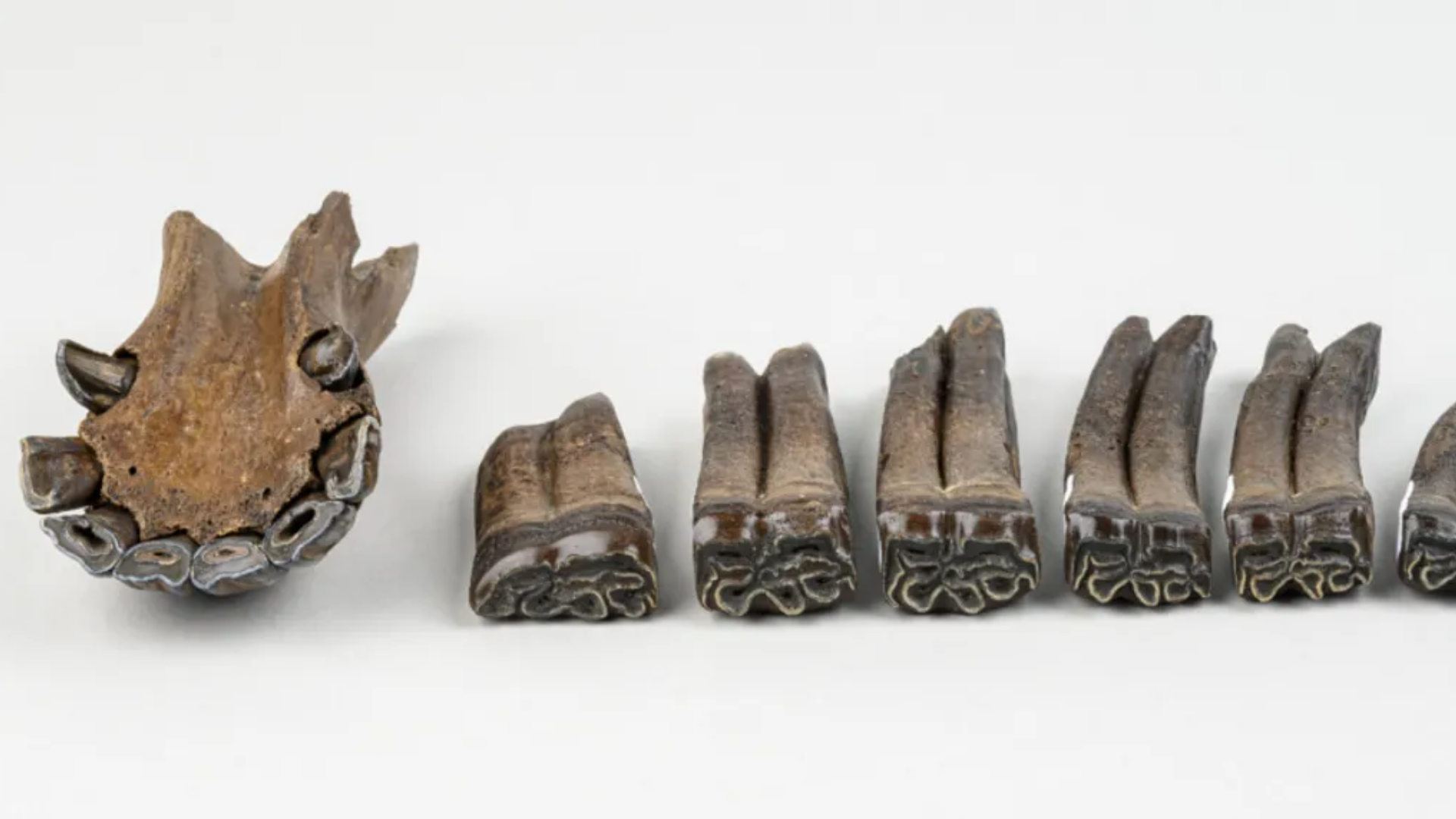
Researchers cataloged 552 fossils from the site, and roughly 75% belonged to an unidentified horse species. That heavy horse presence suggests the region was likely open and grassy rather than heavily wooded. If forests dominated, scientists would expect more mastodon or deer remains. The horses are basically acting like environmental fingerprints from 500,000 years ago.
Mixed among the horse remains were fossils from big-bodied megafauna: Holmesina and Dasypus (large armadillo relatives), plus ground sloths like Megalonyx and Paramylodon. These animals weren’t just Florida oddities, they were part of an Ice Age ecosystem that looked nothing like the state today. Their presence at STR 2A shows the sinkhole captured a whole community, not a single species.
Holmesina is especially exciting because this era marks when the group was rapidly increasing in size from about 68 kg (150 lb) to around 215 kg (475 lb). STR 2A preserves the “middle step,” helping researchers see how the animal got bigger before its bones fully changed shape. It’s like catching evolution mid-stride, which is almost never possible in the fossil record.
The tapir skull that might rewrite the species list

The tapir skull found by the divers doesn’t quite match known tapir species. Some traits line up, others don’t, leaving scientists with two possibilities: it could be a new-to-science species, or simply a weird individual from an ancient population. Either way, researchers need more of its skeleton to decide; meaning future dives could turn today’s mystery into tomorrow’s headline.
STR 2A is more than a cool fossil haul, it’s a rare portal into an era Florida barely remembers. The sinkhole story, the river’s slow reveal, and the mix of horses, sloths, giant armadillos, and a maybe-new tapir make this site a scientific jackpot with years of digging left. The only catch is the search method: low-visibility “coffee dives” that demand patience. Still, if this is what turned up by accident, imagine what’s waiting on purpose.
PetsFanatic Team
Pet Care Expert & Content Creator
Passionate about sharing knowledge and tips for better pet care. Writing about everything from pet health to training techniques.