
Flat-Headed Cat, Once Feared Extinct, Spotted Again After Years Without Sightings

A critically rare wild feline has been spotted in Thailand for the first time since 1995. Flat-headed cats, named for their unique flat foreheads and long skulls, were detected 13 times in 2024 and 16 times in 2025 in images captured by remote camera traps. The sightings occurred in a wildlife sanctuary’s peat swamp forest during research by Thailand’s Department of National Parks, Wildlife and Plant Conservation and the conservation nonprofit Panthera, which is conducting the largest-ever survey of the species.
An estimated 2,500 adult flat-headed cats live in their native homeland of Southeast Asia. The International Union for Conservation of Nature considers the felines an endangered species globally and “possibly extinct” within Thailand. Wai Ming Wong, Panthera’s small cat conservation science director, called the rediscovery “an extraordinary moment for conservation.” Surasak Yimprasert, head of conservation, research, and animal health at Songkhla Zoo in Thailand, admitted he thought the species wouldn’t be found in Thailand anymore.
Flat-headed cats are the tiniest wild cat in Southeast Asia, weighing around 4.5 pounds, roughly half what domestic cats typically weigh. They have short bodies, narrow legs, webbed toes, and stubby tails. Their small size, combined with their nocturnal nature and limited population, makes them exceptionally difficult to observe. Litters typically only produce one cub, further contributing to the species’ rarity and the challenge scientists face in tracking population numbers across their remaining habitat.
The Survey Captured a Female Cat With Her Cub
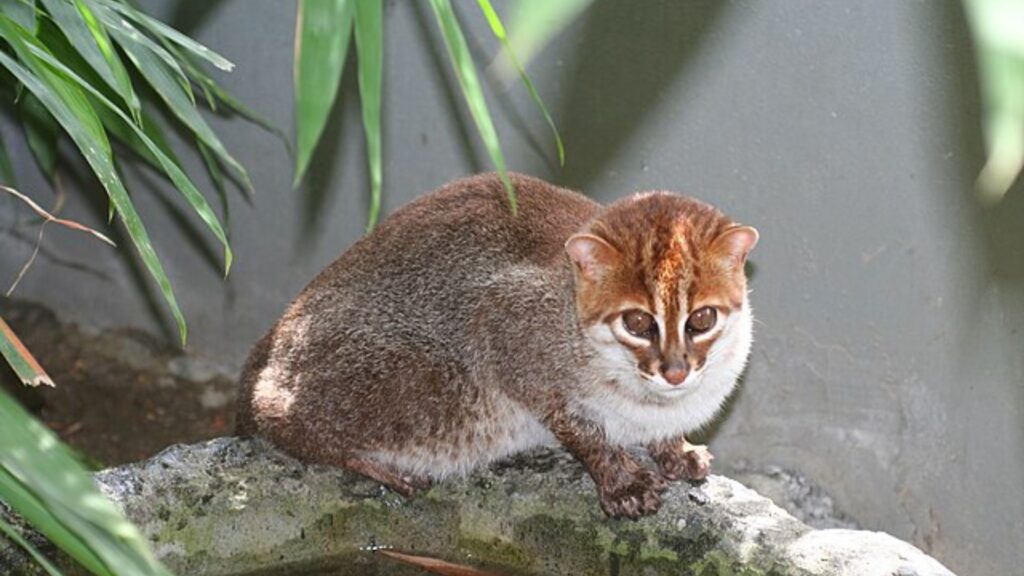
The survey captured an image of a female cat with her cub, a “profoundly encouraging” sign, according to Wong. The discovery shows that reproduction is occurring in the area, offering concrete evidence that the species maintains a breeding population in Thailand’s remaining wetlands. Wong told Mongabay the sighting demonstrates that “where wetlands and river systems remain intact, even the most elusive and threatened carnivores can persist,” highlighting the critical importance of habitat preservation for rare species.
Researchers plan to submit their findings to the IUCN’s Red List Committee, which conducts biodiversity assessments and maintains the organization’s threatened species list, to update the cats’ status in Thailand. Rattapan Pattanarangsan, the conservation program manager for Panthera Thailand, told Popular Science that more research will likely be needed. New IUCN assessments of flat-headed cats are expected to be published in early 2026, according to Panthera’s press release.
Wong told Mongabay that robust, up-to-date data like the new findings are invaluable for accurately evaluating the species’ status and guiding conservation priorities. The research highlights the pressing need to safeguard Thailand’s remaining lowland habitats so that species like the flat-headed cat have a future. Athapol Charoenshunsa, Director General of the Department of National Parks, Wildlife and Plant Conservation in Thailand, called the cat sightings a “landmark moment for Thailand and a powerful reflection of our long-standing commitment to conservation.”
Wetland Loss Threatens the Small Predators

Flat-headed cats are wetland specialists that prefer habitats such as tropical rainforests, swampy and peat swamp forests, and riverine forests. They function as apex predators in these ecosystems despite their diminutive size. Their webbed toes help them hunt in water-rich environments, and the species is thought to be closely related to leopard cats and fishing cats, sharing adaptations for life in Southeast Asia’s wetlands and waterways.
The small felines’ preferred environments are shrinking due to habitat loss from fishing, agriculture, hunting, and other human activities, which also drive competition with other species for the scarce remaining wetlands. Panthera noted that flat-headed cats have been threatened by human-induced habitat loss from land conversion, fishing, agricultural encroachment, hunting, pollution of waterways, and the spread of disease from domestic animals. These mounting pressures have pushed the species to the brink across much of its historical range.
Flat-headed cats have been observed dunking objects in water, or “washing” them, a behavior well known in raccoons. Scientists believe this behavior helps the animals evaluate objects more thoroughly, particularly food items. This curious habit, combined with their webbed toes and aquatic hunting preferences, demonstrates the species’ remarkable specialization for wetland life. Such unique adaptations make them particularly vulnerable to habitat changes, as they cannot easily shift to alternative ecosystems when wetlands disappear.
Conservation Efforts Offer Hope for the Species’ Future

The rediscovery provides hope, but it’s only a “starting point” for conservation efforts, according to Kaset Sutasha, a veterinarian and researcher at Kasetsart University in Thailand who was not involved in the new work. He told the Agence France-Presse that what comes after the discovery is more important, specifically, how to enable the cats to live alongside humans sustainably without being threatened. This perspective emphasizes the ongoing challenges facing the species despite the encouraging sightings.
DNP and Panthera are working to train park rangers on camp raid tactics, arrest report writing, and SMART patrol training to better protect the species and its habitat. Local Muslim communities help conserve the species by not hunting wildlife for consumption or trade, instead depending on fishing and collecting forest products. This community stewardship, combined with sustained protection and strong scientific partnerships, contributed to the conditions that allowed the flat-headed cat population to persist in Thailand.
Charoenshunsa emphasized that the flat-headed cat’s resurgence is a well-timed reminder that when natural heritage is safeguarded, the nation’s wild habitats and future are protected. Yimprasert hopes people both within and outside the area will pay more attention to this species of animal that is on the verge of disappearing from the world. The successful survey shows that comprehensive monitoring efforts can reveal wildlife populations previously assumed lost, providing a roadmap for tracking other rare and elusive species.
PetsFanatic Team
Pet Care Expert & Content Creator
Passionate about sharing knowledge and tips for better pet care. Writing about everything from pet health to training techniques.