
First Gray Wolf in More Than a Century Returns to Sequoia National Park
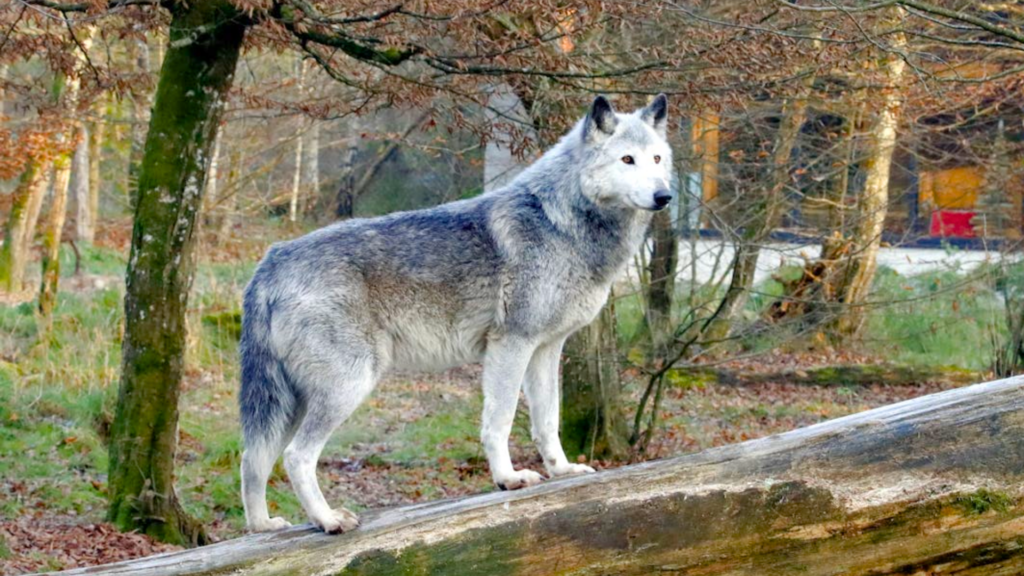
Wildlife officials have confirmed the first gray wolf spotted in Sequoia National Park in more than 100 years, marking a major milestone for conservation efforts in California. The lone wolf was detected through remote wildlife cameras, exciting biologists and environmental groups who have closely monitored the species’ gradual return to parts of the western United States. Gray wolves were once widespread across California before being hunted to near extinction during the early 20th century. The rare sighting is now raising hopes that wolves may slowly begin reclaiming portions of their former range in the Sierra Nevada region.
Wildlife Cameras Captured the Historic Sighting

Park officials confirmed the wolf’s presence after motion-activated wildlife cameras captured clear images of the animal moving through a remote section of the park. Researchers reviewing the footage identified the animal as a gray wolf based on its physical characteristics, movement, and coloration. The sighting represents the first documented wolf observed in Sequoia National Park in more than a century. Biologists described the discovery as a significant moment for wildlife recovery efforts in California.
Gray Wolves Once Disappeared From California
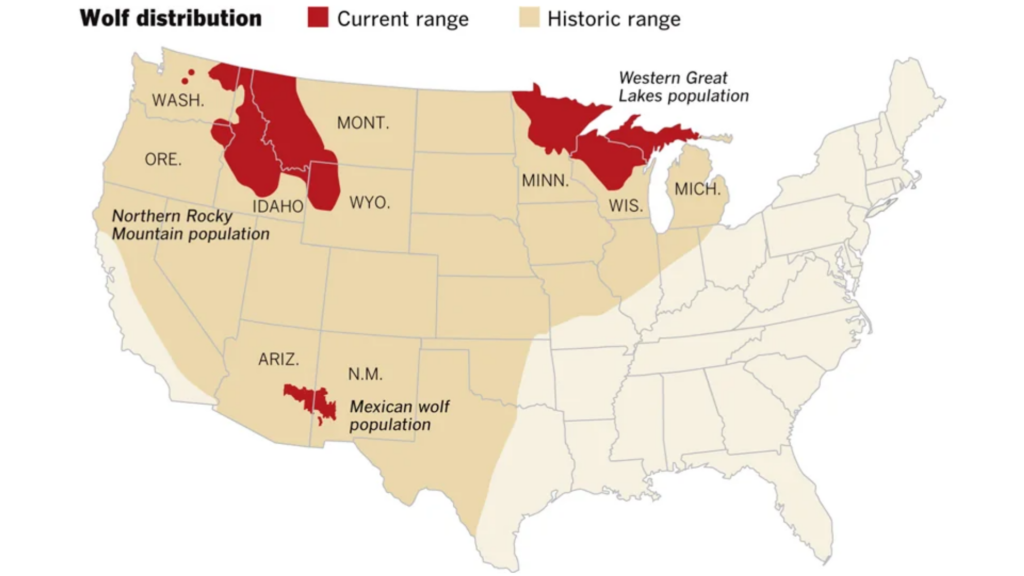
Gray wolves were once common throughout much of California and the American West before aggressive hunting and eradication campaigns nearly wiped them out. By the 1920s, wolves had effectively disappeared from California due to habitat loss, predator control programs, and livestock conflicts. For decades afterward, the species remained absent from the state’s wilderness areas. Conservation protections in recent decades have slowly allowed wolf populations to recover in parts of the western United States.
Scientists Believe the Wolf Traveled Long Distances
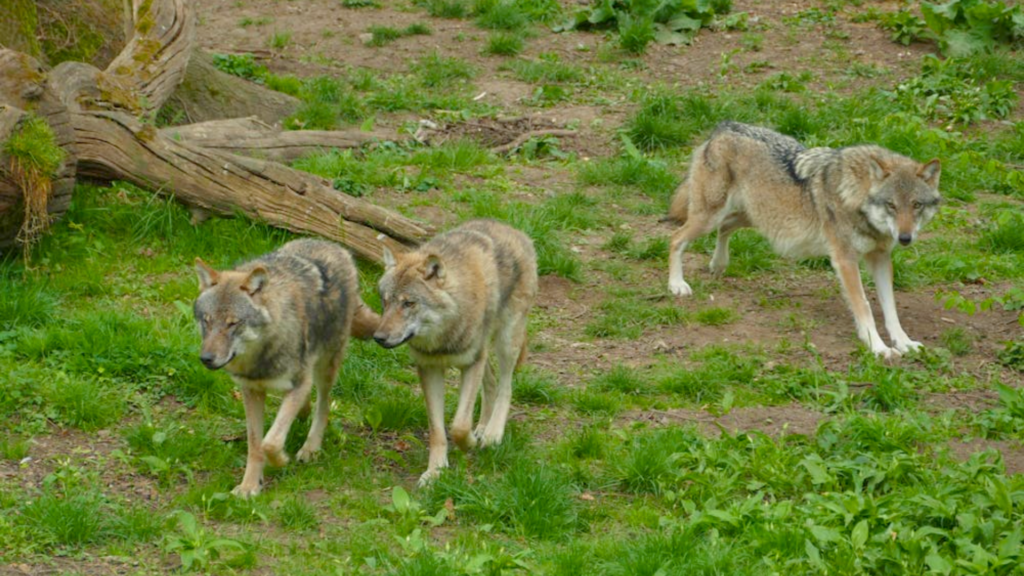
Researchers believe the wolf likely traveled a considerable distance before reaching Sequoia National Park. Young wolves are known to roam hundreds of miles while searching for territory, food sources, or potential mates. Wildlife experts say dispersal behavior plays an important role in helping wolf populations expand into new areas over time. The appearance of a wolf in the Sierra Nevada region suggests California’s recovering population may continue spreading southward.
Conservationists Celebrated the Discovery
Environmental groups and wildlife advocates celebrated the sighting as an encouraging sign for ecosystem restoration efforts. Conservationists argue that wolves play a vital role in maintaining balanced ecosystems by helping regulate prey populations and influencing animal behavior patterns. Many experts see the return of wolves as evidence that protected habitats can support the recovery of large predators. The sighting quickly became a symbol of California’s broader wildlife conservation progress.
Ranchers Continue Raising Concerns

While conservationists welcomed the wolf’s return, some ranchers and agricultural groups remain concerned about potential impacts on livestock. Conflicts between wolves and ranchers have historically fueled opposition to wolf recovery efforts across the western United States. Livestock producers worry that growing wolf populations could increase attacks on cattle and other animals in rural communities. State wildlife agencies continue working on strategies designed to reduce potential conflicts while protecting the species.
California’s Wolf Population Has Slowly Expanded
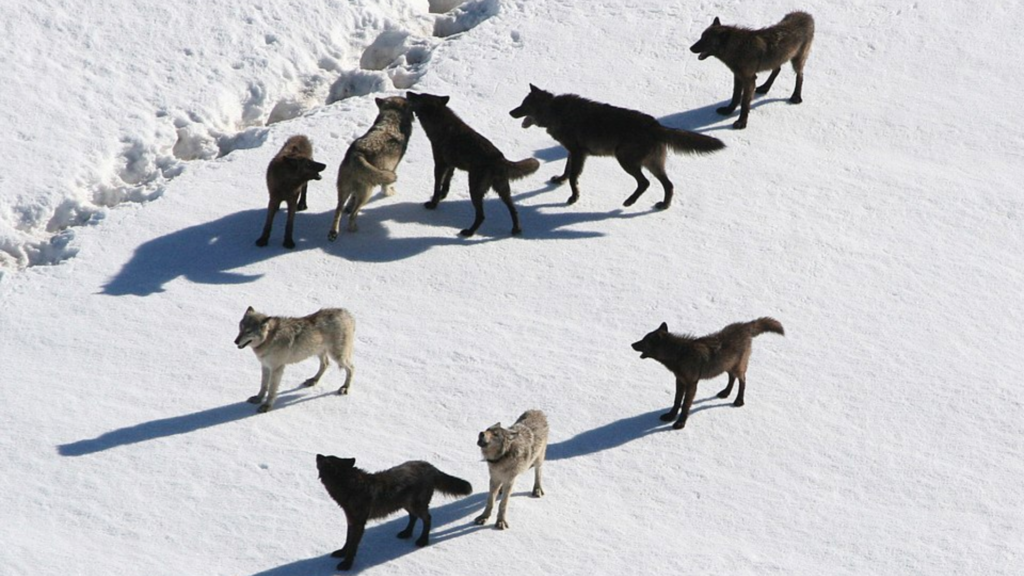
California’s gray wolf population has gradually increased during the past several years as animals migrated from neighboring states such as Oregon. Wildlife officials have confirmed multiple wolf packs in Northern California, though sightings remain relatively rare throughout much of the state. Conservation experts say population growth has been slow but steady under legal protections. The Sequoia National Park sighting may signal that wolves are continuing to expand into new territory farther south.
Wolves Could Impact Local Ecosystems
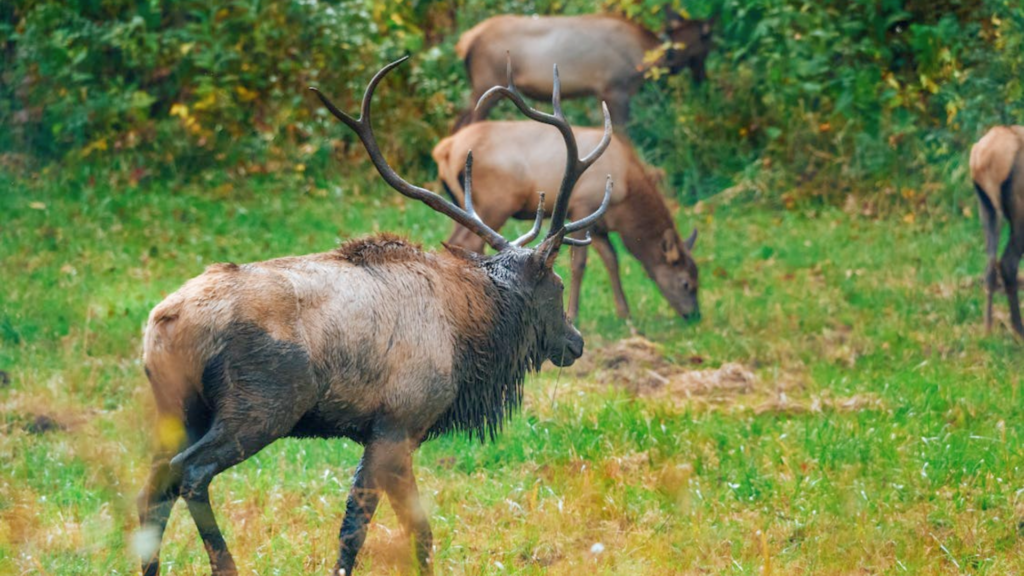
Scientists say the return of gray wolves could eventually influence ecosystems throughout the Sierra Nevada region. Wolves often affect prey populations such as deer and elk, which can indirectly impact vegetation growth and biodiversity. Similar ecological changes have been observed in places like Yellowstone National Park following wolf reintroduction efforts. Researchers will continue monitoring the situation closely to better understand how wolves may affect California’s mountain ecosystems over time.
Officials Continue Monitoring the Wolf

Park officials and wildlife researchers are continuing to monitor the wolf’s movements through remote cameras and field observations. Experts hope additional sightings or tracking evidence may help determine whether the animal remains in the region or is simply passing through. Scientists are also watching closely for signs that additional wolves could eventually enter the Sierra Nevada area. Ongoing monitoring efforts will play an important role in shaping future conservation and management decisions.
A Rare Return Signals a New Chapter for California Wildlife
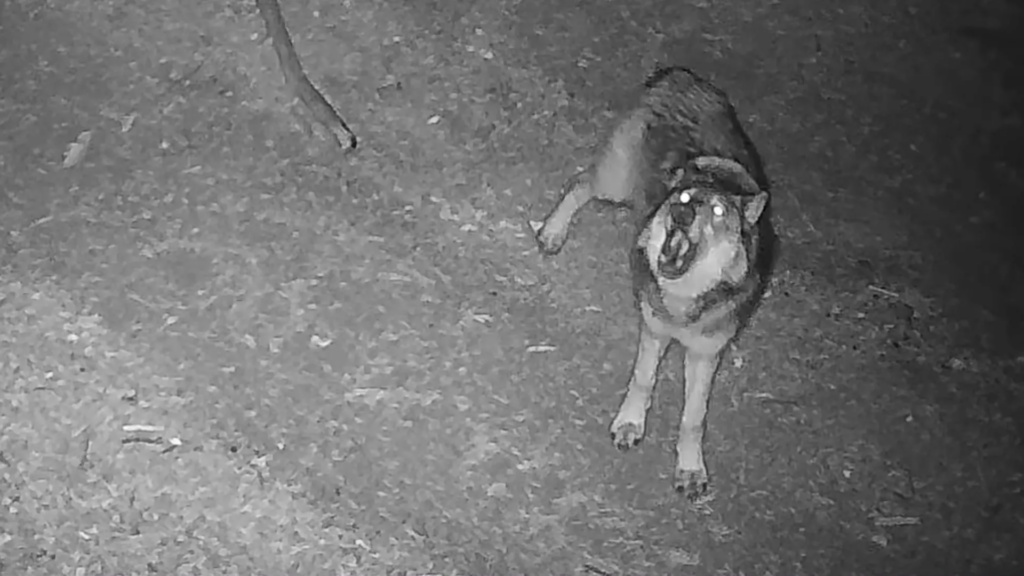
The first confirmed gray wolf sighting in Sequoia National Park in more than a century represents a remarkable moment for wildlife conservation in California. After decades of absence, the species is slowly reclaiming parts of its former range as protected populations expand across the West. While debates over wolf recovery continue among conservationists, ranchers, and policymakers, the sighting highlights the changing relationship between humans and large predators in modern America. For many researchers and environmental advocates, the return of the gray wolf is being viewed as an important symbol of ecological resilience and recovery.
PetsFanatic Team
Pet Care Expert & Content Creator
Passionate about sharing knowledge and tips for better pet care. Writing about everything from pet health to training techniques.