
Farmers Stunned by Strange Creatures Overtaking Parts of the U.S.

In parts of Louisiana, farmers have long relied on a clever agricultural system that allows them to harvest two valuable crops from the same flooded fields. Rice grows during the warm months, and once the fields remain wet, crawfish thrive in the same environment.
This approach provides farmers with two income streams while supplying Americans with two widely consumed foods. The balance depends on carefully managed water levels and healthy crops that support both rice plants and the crawfish living among them.
Recently, however, that balance has been disrupted. Invasive species have begun spreading through Louisiana’s rice growing regions, damaging crops and threatening the delicate system that supports both harvests.
Apple Snails are Destroying Rice Plants Across the Region

One of the most destructive invaders is the apple snail, a large freshwater snail roughly the size of a baseball. The species feeds on young rice plants and has already caused major agricultural problems in other parts of the United States.
Experts estimate that around 78 square miles of Louisiana farmland are now infested with these snails. Farmers report seeing the creatures emerge from flooded soil, leaving small swirling patterns in the water as they move toward the crops.
Rice farmer Christian Richard described the sight as something out of a science fiction film. In one case, he said the snails destroyed an entire 100 acre field after devouring the young plants that had just begun to grow.
Controlling the Pests is Far More Complicated than it Sounds

Although pesticides exist that can eliminate apple snails, farmers face a difficult dilemma. Many of the chemicals that kill the snails would also kill crawfish, which are raised in the same flooded fields and later sold for food.
Because both rice and crawfish are consumed by people, farmers must also avoid chemicals that could contaminate the harvest. This limits the treatments they can safely use.
As a result, some farmers are experimenting with more labor intensive approaches. These include starting crops in dry fields before flooding them and using more expensive treatments. Even then, workers sometimes must separate snails from crawfish by hand during harvest.
Another Pest is Compounding the Damage to Rice Crops
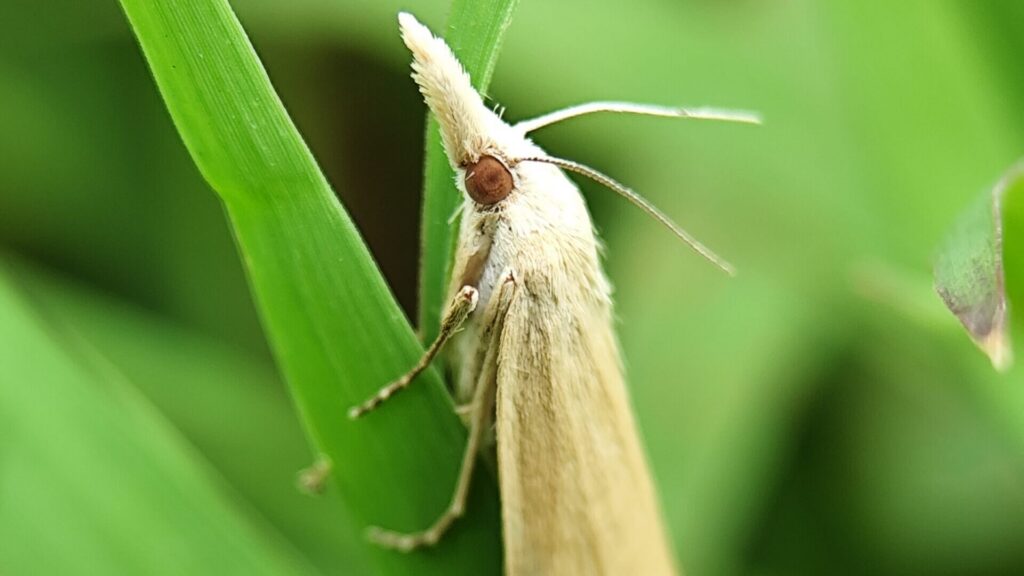
The situation has become even more difficult with the arrival of another invasive species known as the rice delphacid. This tiny insect burrows into rice stems and weakens the plants from the inside.
Beyond the direct damage, the insect can also transmit plant diseases that worsen the decline of the crop. Agricultural experts say the recent surge in rice delphacids has been one of the most significant insect related events affecting United States rice farming in decades.
As harvest losses increase, researchers are searching for long term solutions. Some scientists warn that if the pests become impossible to control, farmers may eventually have to move rice production elsewhere, changing the agricultural landscape of Louisiana entirely.
PetsFanatic Team
Pet Care Expert & Content Creator
Passionate about sharing knowledge and tips for better pet care. Writing about everything from pet health to training techniques.