
Experts Warn Bringing This Extinct Animal Back Could Trigger Serious Consequences

Biotech firms are racing to revive the woolly mammoth, and the idea sounds bold at first, yet as researchers look closer, they see unanswered scientific and ethical problems building around it. As gene editing plans move forward, experts warn that releasing engineered elephants into modern ecosystems could carry consequences no one can fully predict.
Colossal Biosciences Mammoth Resurrection Plan

Colossal Biosciences is advancing a plan to recreate mammoth-like animals by editing Asian elephant DNA, and as the company targets a calf within a few years, scientists outline how experimental cloning methods, surrogate pregnancies, and large-scale Arctic release proposals intersect with unresolved biological limits.
Gene Editing Asian Elephants for Arctic Traits

Researchers plan to edit Asian elephant DNA to introduce traits linked to cold resistance, and as scientists test genes tied to fat storage, hair growth, and smaller ears, they aim to produce calves that resemble Ice Age mammals adapted to subzero Arctic conditions.
Climate Impact Claims and Scientific Skepticism

Supporters argue engineered herds could restore Arctic grasslands and reduce permafrost thaw, and as that claim gains attention, climate scientists respond that available data show no clear evidence that reintroducing mammoth-like animals would produce measurable effects on global warming trends.
Mammoth Size, Resource Demands, and Behavioral Unknowns
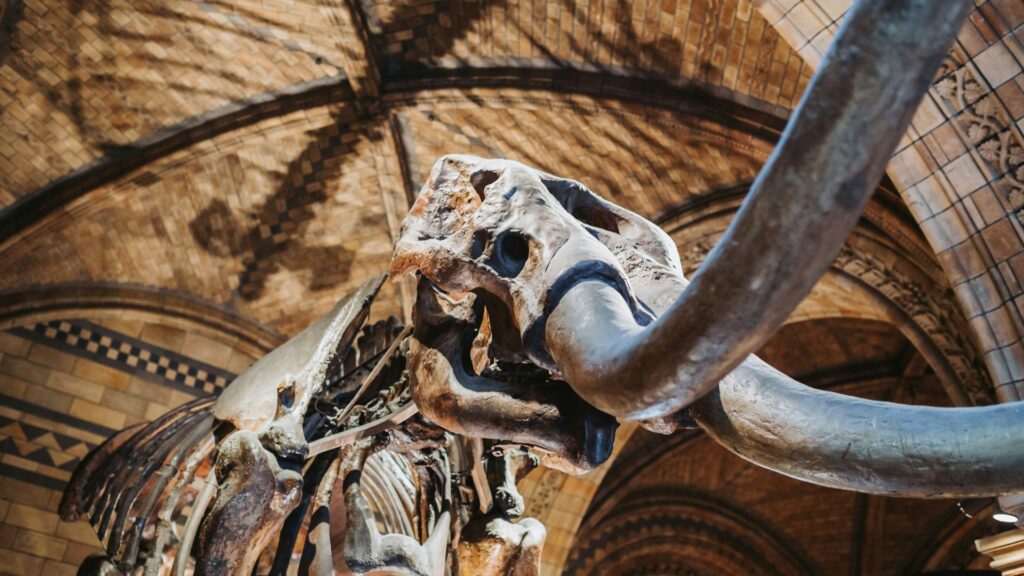
Adult mammoths once stood more than 10 feet tall and weighed up to 15 tons, and as proposals consider reintroducing animals of that scale, researchers acknowledge that feeding, managing, and predicting the behavior of such massive herbivores relies largely on fossil evidence rather than direct observation.
Ice Age Habitat Loss and Modern Ecosystem Risks

Mammoths evolved in climates up to 10 degrees Fahrenheit colder than today, and as researchers reconstruct the Ice Age steppe they depended on, they note that modern Arctic landscapes have transformed, raising concerns about disease exposure and unpredictable ecological effects.
Failed Pregnancies and Cloning Complications

Researchers acknowledge that current cloning and gene editing methods often lead to repeated failed pregnancies, and as surrogate elephants would carry experimental embryos, scientists warn that malformed fetuses, high miscarriage rates, and long-term health complications remain likely outcomes under existing techniques.
Documented Health Problems in De-Extinction Efforts

Past cloning attempts show that revived species often face severe medical complications, and as researchers revisit cases like the bucardo that died minutes after birth, they point to lung defects, rapid aging, and disease vulnerability as patterns that could recur in mammoth projects.
Public Perception and Distraction From Ongoing Extinctions

As talk of resurrecting extinct species gains public attention, scientists warn that promoting the idea of reversal could reduce urgency around protecting animals now at risk, and in that environment, funding and policy focus may drift away from habitat preservation and climate action.
Uncertain Science and Expanding Consequences

Efforts to revive the mammoth continue to move forward, so ethical questions and ecological risks move with them, which means each technical advance carries practical consequences that extend beyond the laboratory and into living systems that cannot be reset once altered.
PetsFanatic Team
Pet Care Expert & Content Creator
Passionate about sharing knowledge and tips for better pet care. Writing about everything from pet health to training techniques.