
Experts Say This Rapidly Accelerating Threat Could Affect 200 Million People

Africa’s vast coastline is confronting an intensifying threat as sea levels climb at an alarming pace, placing more than 200 million people at risk. A recent scientific analysis shows that the waters surrounding the continent are rising faster than the global average, with the 2023 to 2024 El Niño event sharply amplifying the trend.
The most pronounced impacts were recorded in the western Indian Ocean and the eastern central Atlantic Ocean. Researchers relied on satellite observations, climate models, and statistical analysis to determine that more than 70 percent of the surge was caused by stored ocean heat. During the recent El Niño, that heat buildup was nearly four times higher than average, dramatically intensifying regional sea level rise.
The data also show that Africa’s sea level patterns shifted significantly in 2009. Before that year, waters were rising at about 2.7 millimeters annually. Afterward, the rate jumped to 4.7 millimeters per year. The 2023 to 2024 El Niño alone contributed 27 millimeters of sea level rise, surpassing the previous 1997 to 1998 benchmark by 41 percent. A typical El Niño event would contribute between 10 and 20 millimeters, underscoring how extraordinary this latest episode has been.
Coastal Cities on the Front Lines
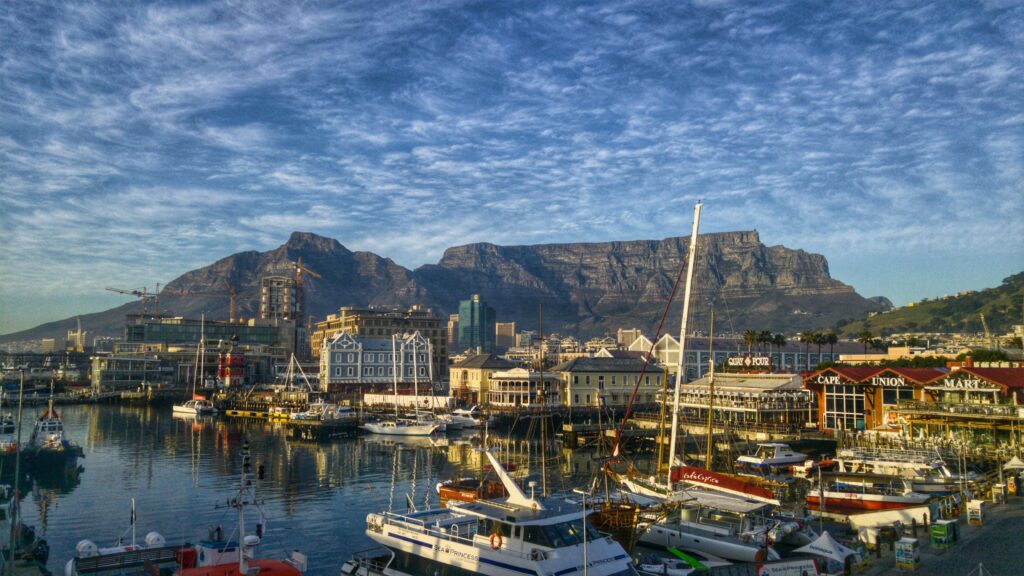
Africa’s coastline stretches roughly 30,500 kilometers, touching 38 coastal nations whose economies and food systems are deeply intertwined with the ocean. The seas bordering the continent are warming and rising more rapidly than the global average, heightening the vulnerability of densely populated hubs such as Lagos and Dar es Salaam.
These cities serve as major economic engines in West and East Africa. As waters rise, critical infrastructure including ports, roads, and residential districts face mounting pressure from flooding and erosion. Low lying deltas and small island states are especially exposed, where even minor increases in sea level can translate into repeated inundation and long term land loss.
Researchers warn that without reaching carbon neutrality by mid century, Africa could exceed 2 degrees Celsius of warming by 2100. Such a trajectory would accelerate sea level rise further, compounding risks to housing, agriculture, freshwater supplies, and marine ecosystems that millions depend on for daily survival.
Understanding the Forces Behind the Surge

Scientists sought to separate the influence of long term global warming from shorter term climate patterns like El Niño. While the burning of coal, oil, and gas steadily heats the planet and expands ocean waters, episodic events can cause sharp spikes.
In much of the 20th century, global sea levels rose at about 0.06 inches per year. By the period from 2006 to 2015, that rate had more than doubled to 0.14 inches annually. The recent El Niño magnified an already accelerating baseline, revealing how natural variability can interact with human driven warming to produce record breaking outcomes.
Compounding the danger are additional stressors such as land subsidence and changes in ocean productivity. In some urban regions, sinking ground levels worsen the impact of rising seas, increasing the frequency and severity of flooding even before extreme storms strike.
The Urgent Call for Adaptation and Action

Scientific findings such as these are crucial for guiding both mitigation and adaptation strategies. Some communities are investing in sea walls and coastal barriers to shield neighborhoods and infrastructure from encroaching waters. Others are weighing managed retreat, relocating residents and critical facilities away from the most vulnerable zones.
Yet even aggressive emissions cuts today cannot instantly reverse the warming already stored in the oceans. Current projections suggest sea levels could rise an additional 8 to 20 inches by 2100, driven in part by thermal expansion and melting ice sheets in Greenland and Antarctica.
The scale of the challenge demands coordinated global and local responses. Reducing heat-trapping pollution, supporting climate-conscious policies, and encouraging sustainable business practices all form part of a broader effort to limit further warming. For Africa’s coastal communities, the choices made in the coming decades will determine whether rising seas remain a looming hazard or become an irreversible crisis.
PetsFanatic Team
Pet Care Expert & Content Creator
Passionate about sharing knowledge and tips for better pet care. Writing about everything from pet health to training techniques.