
Experts Say Homemade Dog Diets Lack Critical Nutrients Despite Owners Believing They’re ‘Better’

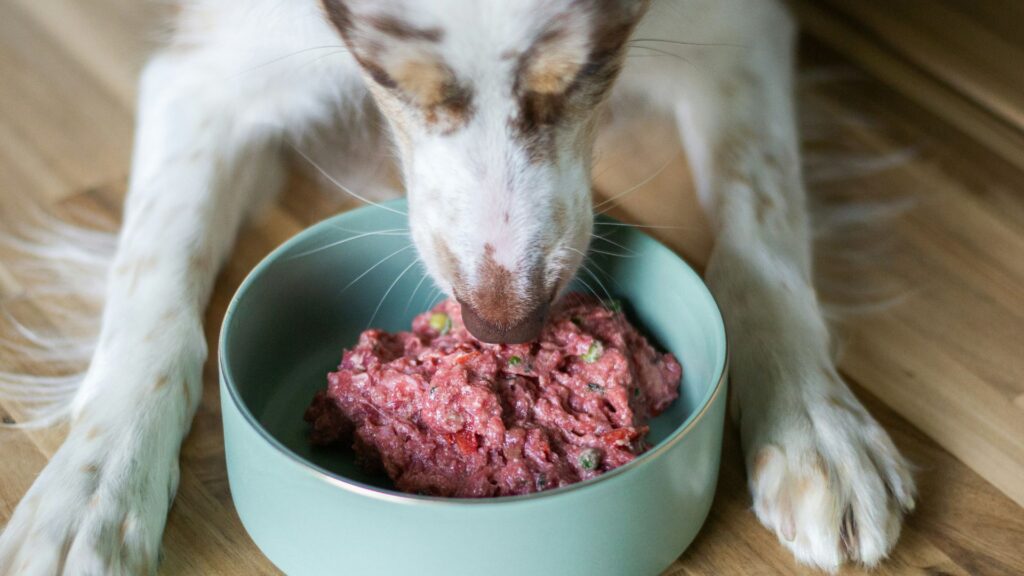
A growing number of dog owners have turned to homemade meals, convinced they offer a healthier alternative to commercial options. However, recent findings suggest that this well-meaning choice may come with hidden risks. New research indicates that preparing food at home without proper guidance can lead to nutritional gaps that affect a dog’s long-term health.
The study, conducted by researchers at Texas A&M University as part of the Dog Aging Project, set out to evaluate the nutritional quality of homemade canine diets. By analyzing a large dataset of recipes shared by participants, the team aimed to understand whether these meals truly met established dietary standards.
The results raised important concerns about how easily nutritional balance can be compromised, even when pet owners are attentive and committed to their animal’s wellbeing.
A Closer Look at What Homemade Diets Often Lack
To assess the quality of these diets, researchers reviewed 1,726 recipes using a specialized online tool designed to measure compliance with official nutritional guidelines. This system evaluates whether meals meet standards set by regulatory bodies responsible for animal nutrition.
The analysis revealed that only a small fraction of the recipes approached a complete nutritional profile. In fact, just around 6 percent met the criteria, while the vast majority fell short in key areas essential for maintaining a dog’s health.
Even minor adjustments, such as substituting ingredients or omitting supplements, were found to significantly alter the balance of nutrients. This highlights how precise formulation is required when preparing meals outside of regulated commercial production.
Health Risks Linked to Imbalanced Nutrition

Veterinary experts involved in the study emphasized that certain nutrient imbalances can have serious consequences. In particular, incorrect levels of calcium and phosphorus were identified as a frequent issue, with potential effects on bone strength and organ function.
In more severe cases, deficiencies may contribute to conditions where bones become weak and lose structural integrity. Dogs with existing health conditions are especially vulnerable, as inadequate diets can worsen underlying problems rather than support recovery.
The study also pointed to safety concerns beyond nutrition. Some homemade recipes included ingredients known to be harmful to dogs, such as grapes, or incorporated bones that can break into sharp fragments and cause internal injury.
How Owners Can Make Safer Choices for Their Pets

For those considering or already preparing homemade meals, specialists recommend seeking professional advice before making any dietary changes. Consulting a qualified veterinary nutritionist can help ensure that recipes are tailored to a dog’s specific needs and meet all essential requirements.
Regular monitoring can also play a key role. Laboratory analysis of prepared meals allows owners to verify nutrient levels and adjust formulations when necessary, reducing the risk of deficiencies over time.
Ultimately, understanding exactly what goes into a dog’s diet can make a meaningful difference. With the right guidance and careful planning, it is possible to support a pet’s health while maintaining the intention behind home-cooked feeding.
PetsFanatic Team
Pet Care Expert & Content Creator
Passionate about sharing knowledge and tips for better pet care. Writing about everything from pet health to training techniques.