
Experts Raise Alarm on 100,000-Ton Desert ‘Graveyard’

The Atacama Desert in Chile, one of Earth’s driest places and sometimes used to test Mars missions, has become home to massive mountains of discarded clothing from around the world. When the largest pile was set ablaze in 2022, it held some 100,000 tons of fabric, roughly the weight of an aircraft carrier. The piles have grown so large that some outlets have dubbed the site the “great fashion garbage patch.”
The Duty-Free Port of Iquique Imports Up to 59,000 Tons of Used Clothing Annually

This textile graveyard exists because of the nearby duty-free port of Iquique in the Alto Hospicio free zone, where Chile imports international goods tax-free. Up to 59,000 tons of used clothing from the United States, Europe, and Asia arrive each year, intended for resale in Latin America. However, only 20,000 tons actually make their way around the continent for sale in places like Santiago or get smuggled to other countries.
Municipal Landfills Refuse Textiles Because of Chemical Products They Contain

The remaining 39,000 tons of unsold and unwanted clothes get trucked to the desert each year, covering the landscape in discarded textiles. Municipal landfills will not accept these garments because of the chemical products contained in them. Since the clothing stays in the free zone, where it’s no one’s responsibility to clean up and no one will pay tariffs to remove it, illegal dumping becomes the default solution.
The Fashion Industry Uses 93 Billion Cubic Meters of Water Each Year
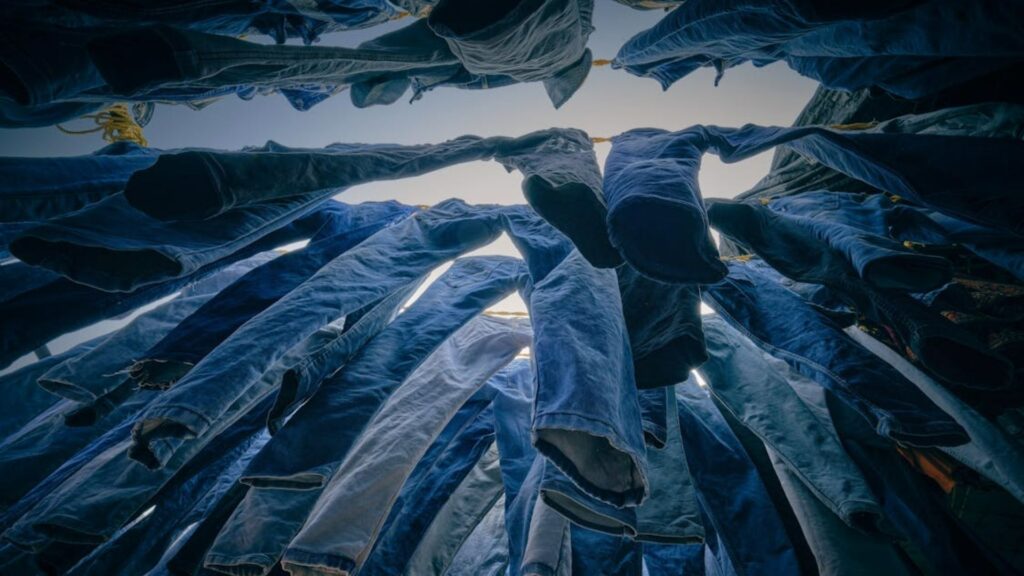
The fashion industry requires massive amounts of water, according to a United Nations news report. Manufacturing one pair of jeans requires 7,500 liters of water, the equivalent amount an average person drinks over seven years. In total, UNCTAD estimates the fashion industry uses roughly 93 billion cubic meters of water annually, sufficient to meet the drinking needs of five million people. The industry is widely believed to be the second most polluting after the oil sector.
Clothing Production Accounts for 8 to 10 Percent of Global Carbon Emissions

The fashion trade generates some 170 billion garments a year, with approximately half discarded within 12 months of production. Clothing production accounts for 8 to 10 percent of the world’s carbon emissions each year, more than all international flights and maritime shipping combined. The industry also holds the distinction of being the world’s second-largest consumer and polluter of water, making it the third-most-polluting industry on the planet after energy and food.
Roughly Half a Million Tons of Microfibers End Up in Oceans Annually

Synthetic fibers now represent nearly 70 percent of global textile production, and polyester has become especially widespread across all styles and brands. As polyfabrics are woven, washed, treated, and sewn into garments, they release plastic microfibers throughout the process. Roughly half a million tons of microfiber end up in the oceans annually from fast fashion and washing machines, the equivalent of 3 million barrels of oil, according to United Nations estimates.
Toxic Dyes and Heavy Metals Turn Rivers Black and Destroy Aquatic Ecosystems

The World Bank has identified at least 72 toxic chemicals used in typical industrial dyeing operations. Factories often dump chemicals from manufacturing into local waterways and rivers, particularly in places like Bangladesh and Indonesia. The Citarum River in West Java, Indonesia, has served as a waste site for hundreds of textile mills since the 1980s, staining the water blue, red, yellow, and black with mercury, lead, chromium, and other chemicals. People living near the river report skin rashes, intestinal problems, renal failure, and tumors.
Activists Document Burnings and Sue Governments to Stop the Desert Dumping

For years, activists have worked to stop the desert dumping by documenting the burnings and filing lawsuits against federal and local governments. When the piles are set on fire, either to conceal the waste or create more space, nearby towns are filled with smoke and unhealthy air. Franklin Zepeda founded EcoFibra in 2018 to address this crisis by making insulation panels from discarded clothing. “I wanted to stop being the problem and start being the solution,” he told AFP.
The Average Consumer Purchased 60 Percent More Clothes in 2014 Than in 2000
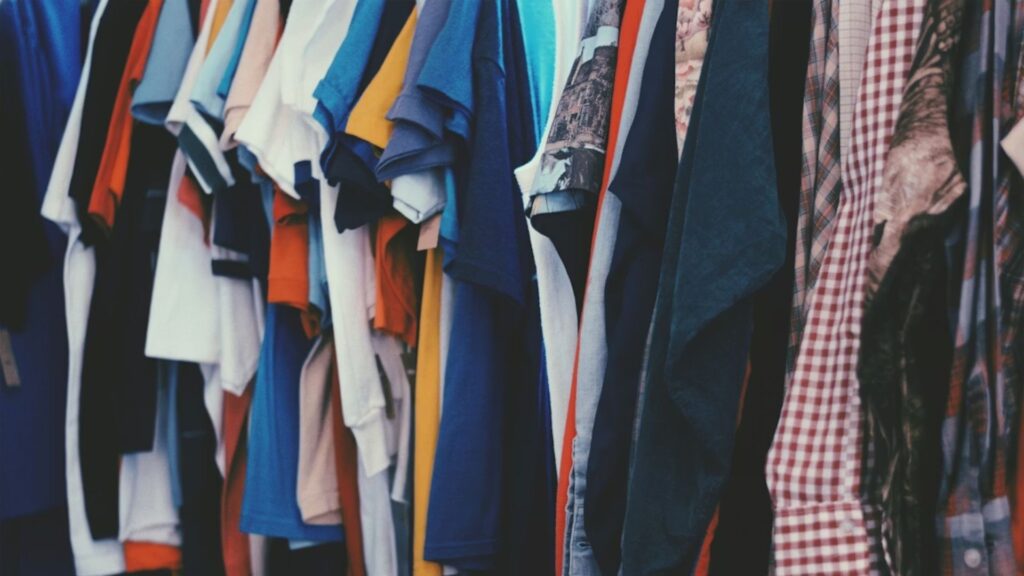
McKinsey estimated that the average consumer purchased 60 percent more clothes in 2014 than in 2000, aligning with the doubling in clothing production between 2004 and 2019 that the Ellen MacArthur Foundation found. According to 2024 research, typical fast-fashion jeans are worn just seven times before disposal, resulting in a carbon footprint per wear that’s 11 times higher than traditional denim. A typical pair of jeans is kept for four years before disposal.
Experts Say the Entire Fashion Industry Needs Scrutiny, Not Just Fast Fashion Brands

“I would say that the entire industry adopts fast-fashion tactics,” said Lynda Grose, a designer and professor of design and critical studies at California College for the Arts. “I don’t want fast fashion to be used as a scapegoat, the whole industry needs a magnifying glass.” To slow the pace of modern fashion requires tariffs, waste quotas, and taxes that cut down on the industry’s garbage issues, which continue to grow unchecked in places like Chile’s Atacama Desert.
PetsFanatic Team
Pet Care Expert & Content Creator
Passionate about sharing knowledge and tips for better pet care. Writing about everything from pet health to training techniques.