
Experts Intensify Monitoring as ‘Civilization-Wiping’ Volcano Shows Early Signs of Awakening

After more than four decades of silence, Mexico’s El Chichón volcano is displaying unsettling signs of activity. Scientists from the National Autonomous University of Mexico documented rising temperatures, gas emissions, and unusual sulfur formations between June and December 2025. The volcano’s last eruption in 1982 killed at least 2,000 people in Mexico’s deadliest volcanic disaster.
A Deadly Past Remembered

The 1982 eruption devastated southern Mexico over just one week. Beginning on March 28, three powerful explosions destroyed nine villages completely. Pyroclastic flows extended eight kilometers from the summit. The disaster buried coffee plantations, ranches, and infrastructure under thick volcanic ash. Over 24,000 square kilometers were affected, causing damage equivalent to $132 million in today’s dollars.
The Crater Lake Transforms

Researchers observed dramatic changes in El Chichón’s crater lake during recent monitoring. The normally green water, colored by algae, turned grayish in appearance. Scientists identified elevated sulfate and silica concentrations causing the transformation. The chemical shift indicates stronger interactions between the hydrothermal system and the surface environment. These visual indicators signal active underground processes beneath the lake.
Temperature Readings Climb Higher

Thermal measurements revealed concerning increases around the crater. The lake’s surface temperature reached 118 degrees Celsius during multiple observations. Lakebed and crater floor temperatures exceeded typical background levels consistently. Heat signatures indicate active fluid circulation beneath the volcano. Scientists emphasize that elevated temperatures alone don’t confirm magma movement but require continuous monitoring and careful analysis.
Mysterious Sulfur Spheres Appear

Field teams discovered unusual hollow sulfur spheres floating in liquid sulfur pools. These rare formations develop when gases rise through molten sulfur near the lakebed. Scientists documented these structures during multiple crater inspections. While visually striking, the spheres indicate underground gas-fluid interactions below the surface. Researchers consider them important markers of the volcano’s hydrothermal state.
Dangerous Gases Accumulate
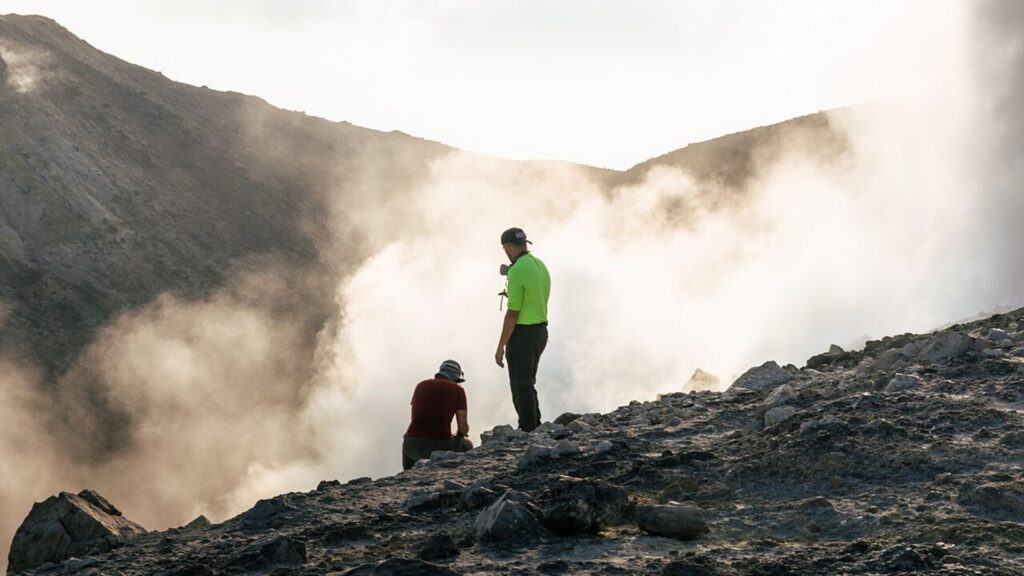
Gas sampling detected hydrogen sulfide and carbon dioxide building near the crater. These compounds pose serious risks if concentrated in enclosed spaces. Hydrogen sulfide causes suffocation in low-lying areas. Carbon dioxide similarly threatens humans and animals at high concentrations. However, scientists noted such emissions are common in active hydrothermal systems. The gases don’t necessarily signal eruption.
Chloride Levels Fluctuate Wildly

Chemical analysis revealed significant variations in the lake’s chloride concentrations. These fluctuations indicate changing interactions between water and underground gases. Scientists track chloride as a key metric for detecting internal fluid shifts. The varying levels suggest hot fluids are actively circulating beneath the surface. Researchers described measurements as consistent with hydrothermal processes requiring ongoing sampling.
Seismic Activity Remains Low
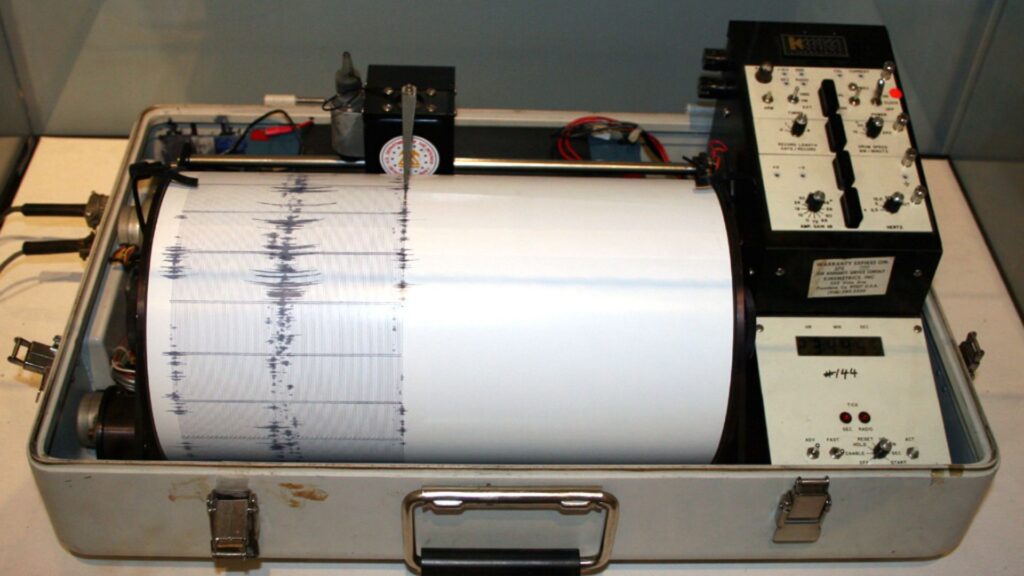
Earthquake monitoring beneath El Chichón shows minimal deep activity currently. Small tremors recorded are shallow, measuring below magnitude 2.5. Earthquakes occur at depths between one and two miles. Scientists interpret this pattern as reflecting fluid movement rather than magma. Absence of deeper seismicity suggests no magma intrusion toward the surface. These readings provide reassurance to researchers.
Expert Assessment Brings Perspective

Dr. Patricia Jácome Paz from UNAM explained that the activity likely stems from superheated groundwater interaction. The volcanologist stated observations are consistent with hydrothermal processes. She emphasized the changes don’t indicate magma rising toward eruption. Steam-driven explosions remain possible but differ from magmatic eruptions. Her assessment provides crucial context. Scientists continue analyzing data to refine interpretations.
Historical Context Provides Warnings

El Chichón research revealed that a devastating eruption occurred around 540 CE. Scientists believe this ancient event may have contributed to Maya civilization’s decline. The eruption triggered a century-long “dark age” for the Maya people. This historical perspective demonstrates the volcano’s capacity for civilization-altering impacts. The 1982 disaster, while deadly, was smaller than this ancient catastrophe.
Yellow Alert Status Maintained

Mexican authorities maintain El Chichón under yellow alert, phase two designation. This classification indicates abnormal but non-eruptive activity is occurring. The status reflects elevated monitoring without immediate evacuation concerns. Civil protection authorities continue community engagement. Access to the crater interior remains restricted to accredited researchers only. The alert system balances scientific vigilance with appropriate information.
Climate Impact Remembered
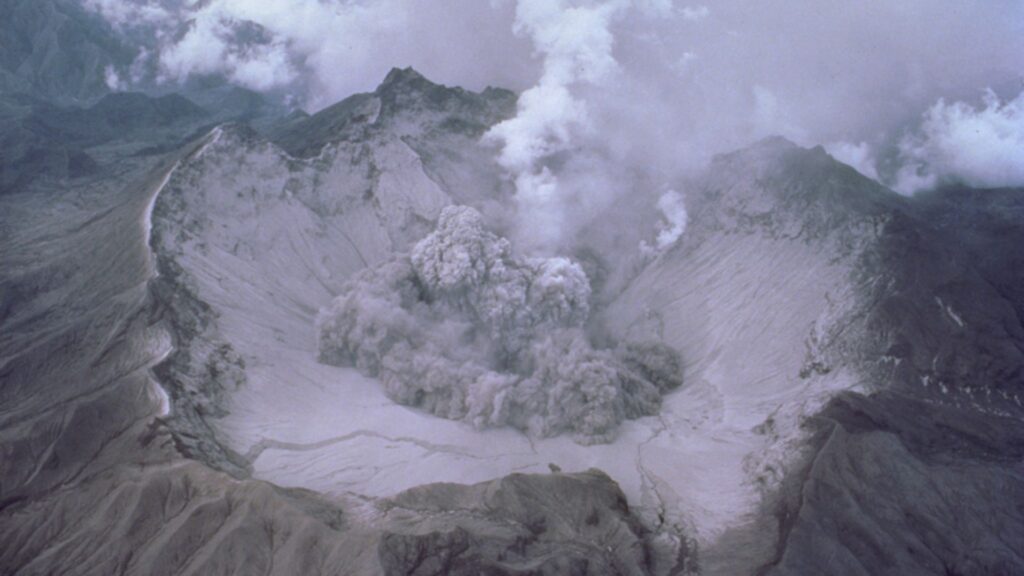
The 1982 eruption injected seven million metric tons of sulfur dioxide into the stratosphere. This material circulated globally within three weeks of the initial explosion. The volcanic cloud caused slight global temperature decreases for subsequent years. El Chichón’s climate impact rivaled Mount Pinatubo’s larger 1991 eruption. This legacy emphasizes the volcano’s potential for far-reaching global consequences.
No Imminent Threat Detected

Despite concerning signs, experts emphasize there’s currently no evidence of approaching eruption. The activity differs significantly from conditions preceding the 1982 disaster. No ground deformation, deep seismicity, or magmatic gas signatures have been detected currently. Current hazards remain confined to localized phenomena like toxic gas exposure. Scientists stress that hydrothermal activity doesn’t necessarily indicate a coming eruption.
Research Access Remains Restricted
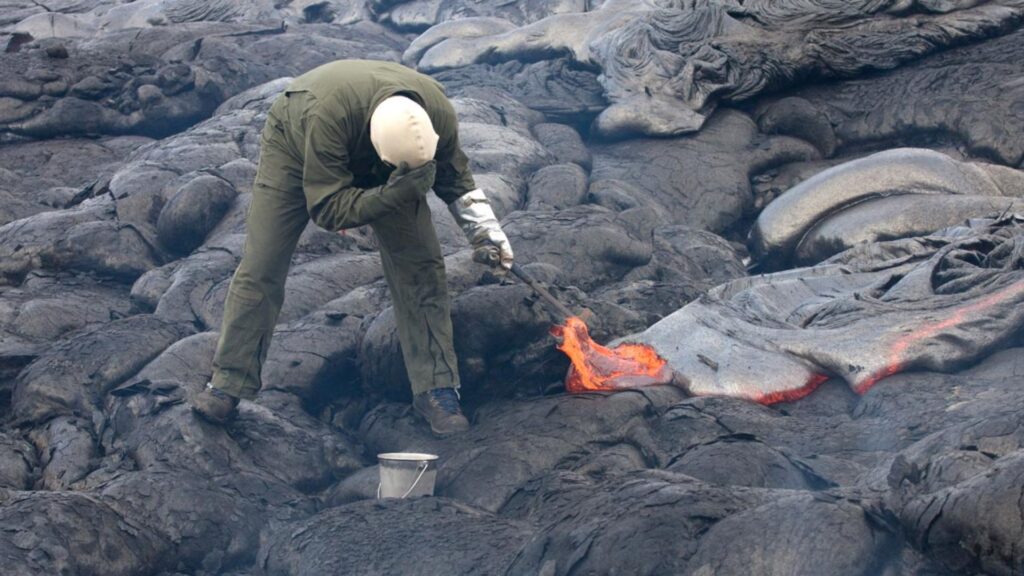
El Chichón’s crater interior has been off-limits to the public since 1982. Only researchers with proper equipment and authorization can enter. Hazards include toxic gases, unstable ground, and extreme temperatures near vents. The restriction protects both visitors and scientific monitoring infrastructure. Despite limitations, the volcano remains valuable for studying volcanic evolution after major eruptions over time.
Volcano Never Truly Sleeps

Scientists emphasize that dormant volcanoes maintain underground activity even during quiet periods. Decades of surface calm can mask ongoing fluid circulation and chemical reactions. Subtle changes in temperature and gas emissions provide windows into deep processes. El Chichón demonstrates how volcanic systems evolve slowly. Continuous monitoring reveals patterns invisible during periodic observations shaping surveillance philosophy.
PetsFanatic Team
Pet Care Expert & Content Creator
Passionate about sharing knowledge and tips for better pet care. Writing about everything from pet health to training techniques.