
10 Endangered Sea Cucumber Species Face New Risk on the Great Barrier Reef
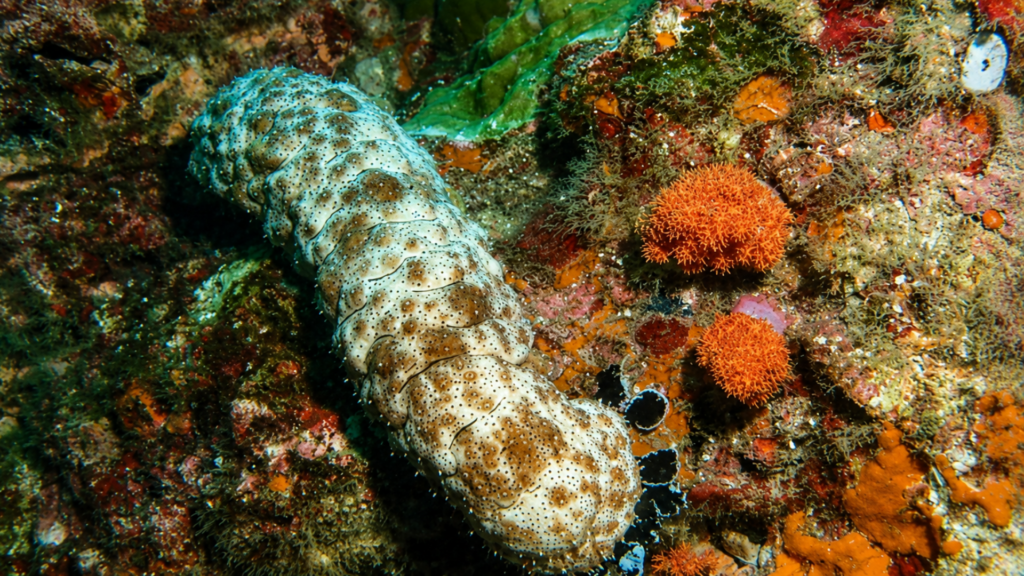
A sea cucumber looks like the least interesting thing on the reef. It might also be one of the most important. These slow, blob shaped animals quietly clean the seafloor of the Great Barrier Reef every single day. Now scientists say ten different sea cucumber species living there are already endangered or vulnerable. The reef’s quiet cleanup crew is disappearing faster than most people ever noticed it was there.
Nobody Else on the Reef Does This Job
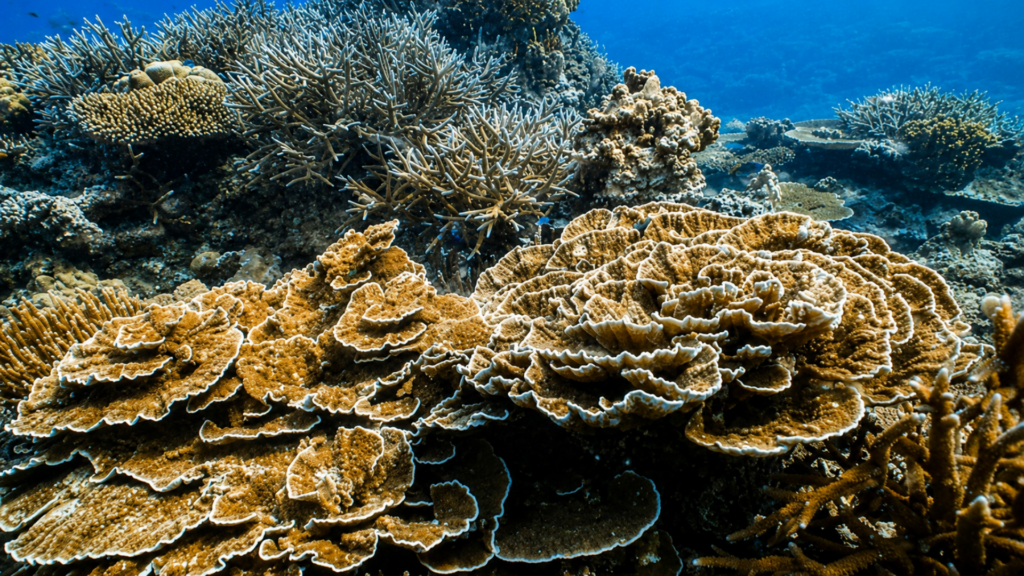
Sea cucumbers do a job nobody else on the reef can replace. Researchers describe them as the earthworms of the sea, since they process tonnes of lagoon sediment through their bodies every year on healthy, unfished reefs. That constant recycling keeps the seafloor clean and able to support other marine life. Remove enough sea cucumbers, and that natural cleaning system starts to break down. What happens to a reef when its janitors disappear?
A $200 Million Market Doesn’t Care What the Reef Needs
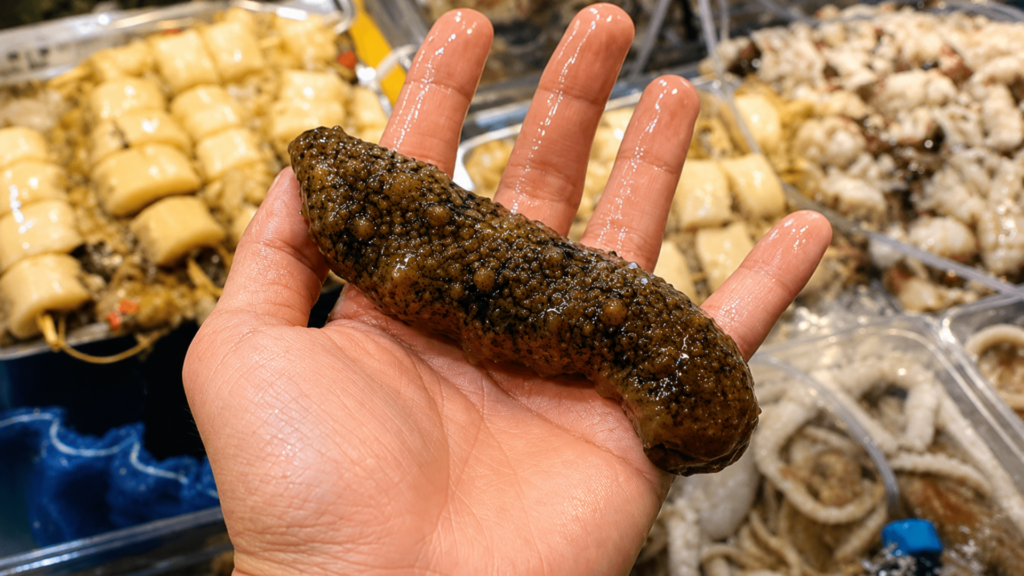
Demand for sea cucumbers has nothing to do with how they help the reef. These animals are harvested mainly to satisfy demand in East and Southeast Asia, especially as a delicacy in Chinese cuisine. The global market for sea cucumbers is now worth more than $200 million every year. That price tag creates real pressure to keep harvesting, even as populations shrink. A creature most people ignore has become genuinely valuable on the other side of the world.
Ten of the World’s 16 Most At-Risk Species Live Here
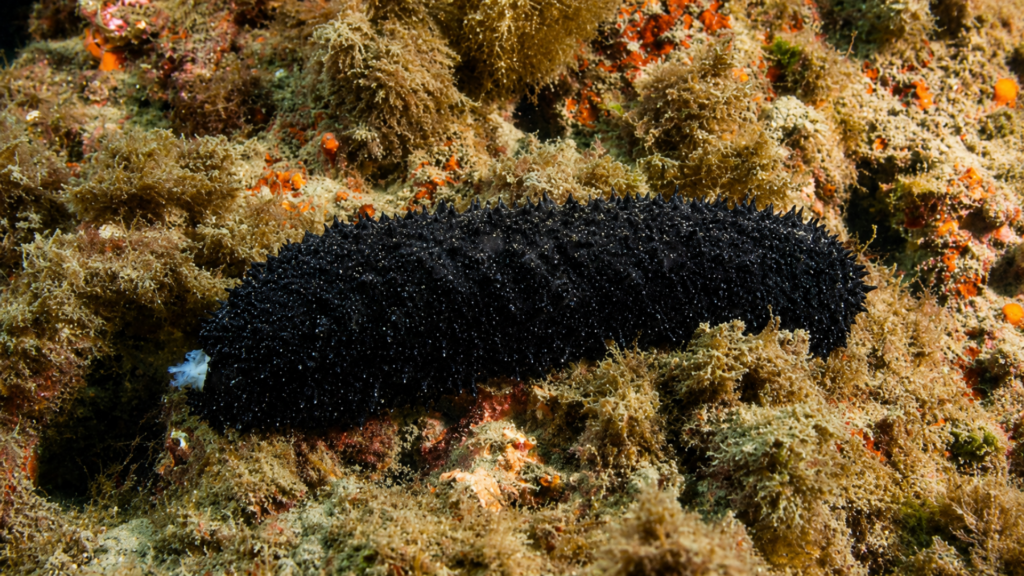
The Great Barrier Reef carries more than its fair share of this crisis. It is home to 10 of the world’s 16 endangered or vulnerable sea cucumber species, according to new research published in Biological Conservation. Fishery data collected along Australia’s main sea cucumber fishing grounds shows populations of the highest valued species have been steadily dwindling. Persistent overharvesting, not natural decline, is driving most of that drop.
Teatfish Are So Scarce They Struggle to Find a Mate
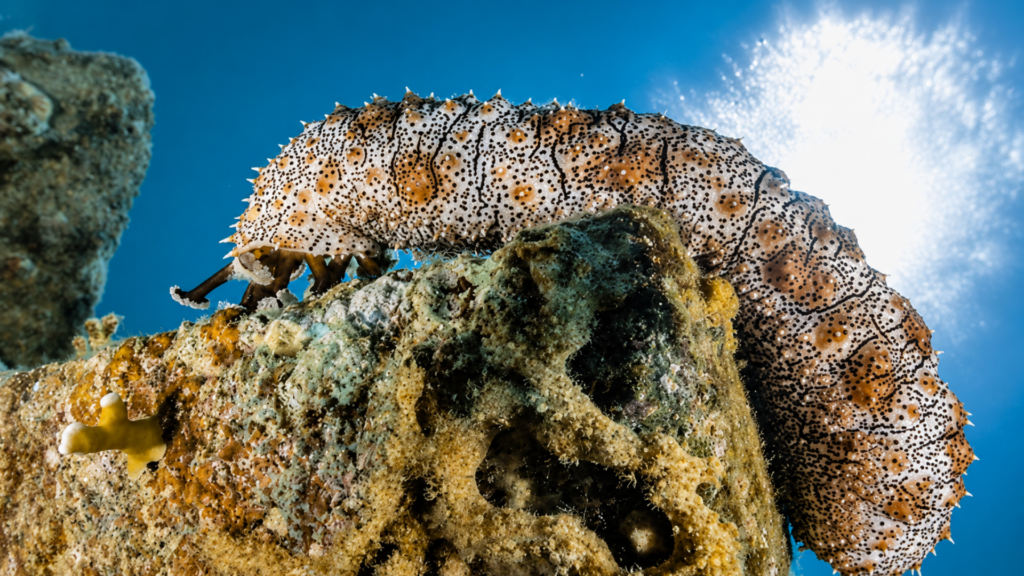
One group of sea cucumbers called teatfish is in especially rough shape. White and black teatfish together made up more than 20 percent of Queensland’s recent total sea cucumber catch, despite both species being listed under CITES protections. Their high market value makes them a constant target. Worse, their populations have grown so thin that surviving individuals often struggle to even find a mate. Scarcity and demand are feeding each other in a dangerous loop.
“A Great Win” for One Species, Not the Whole Fishery
A small policy win offered rare good news for one species. Dr. Kenny Wolfe of the University of Queensland described the moment black teatfish harvest was banned. According to Wolfe, “in recognition of their perilous state,” officials determined the harvest would not be permitted going forward. He called it “a great win,” while noting the fishery had never recovered since closing in 1999. One protected species does not fix a much bigger problem.
Decades Passed Without Anyone Checking the Numbers
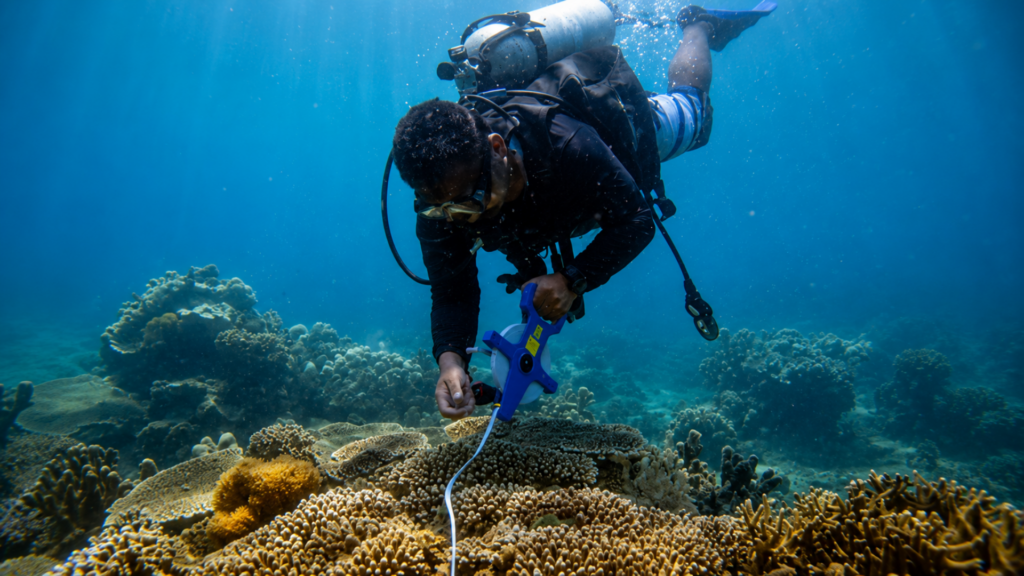
For decades, nobody was actually checking whether sea cucumber harvests were sustainable. According to Professor Maria Byrne of the University of Sydney, the fishery operated under a system that recommended regular stock assessments, but those assessments were rarely done. She said the industry effectively worked “without any real idea” of how harvesting was affecting long term stock health. That kind of gap is hard to fix once populations have already started collapsing.
One Species Got Protected. Nine Are Still Waiting.
Australia has taken at least one meaningful step to slow the damage. In December 2021, the federal Environment Minister supported listing black teatfish under CITES and ruled that harvesting the species would no longer be allowed. Researchers called it a genuine win for one of the reef’s ten endangered sea cucumber species. It also highlighted exactly how far behind protections have fallen for the other nine.
Real Change Needs More Than One Banned Species
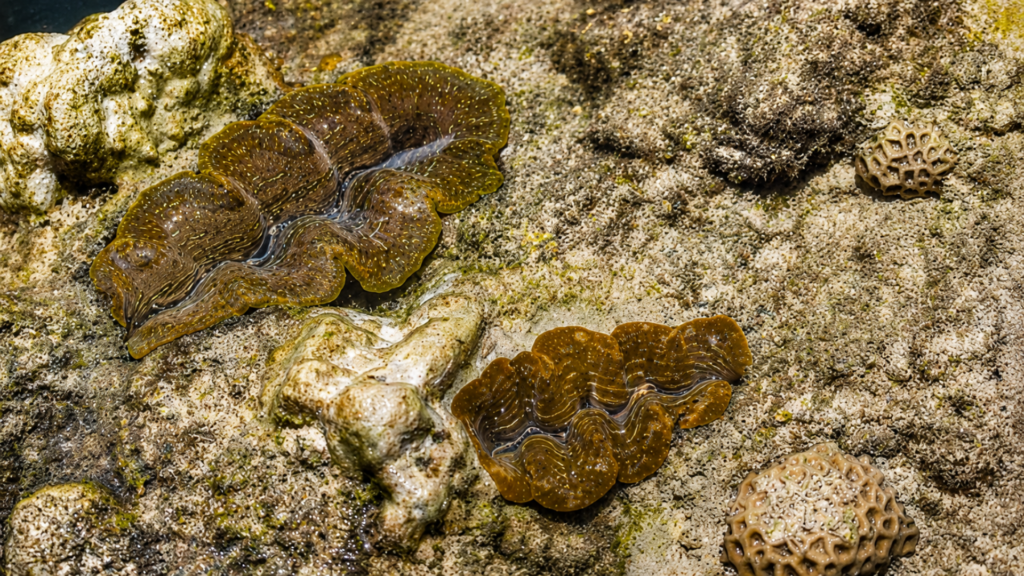
Fixing one species does not fix a fishery built without real oversight. Researchers argue the Great Barrier Reef needs a statutory, legally enforced system for regular, independent stock assessments across every harvested sea cucumber species, not just the most endangered ones. That kind of framework would finally let regulators know what a sustainable harvest actually looks like. Without it, more species could quietly slide toward the same crisis teatfish are already facing.
Nine Species Are Still Waiting for Their Own Win
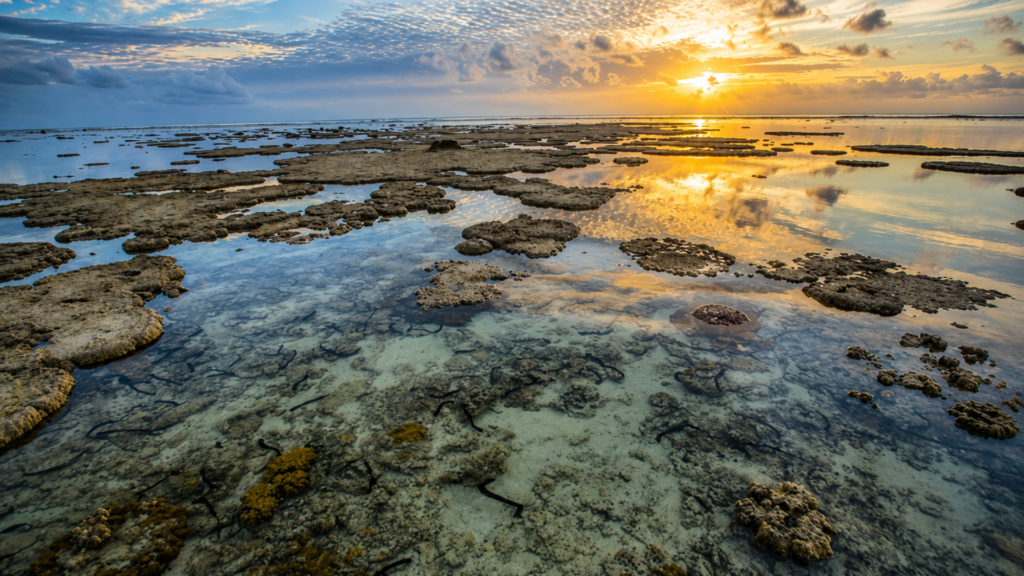
The reef’s quiet cleanup crew was never asking for attention, it just needed protection nobody thought to give it. Ten endangered or vulnerable sea cucumber species now share the Great Barrier Reef with fisheries that spent decades operating with little real data. One CITES listing for black teatfish proved change is possible. Whether the other nine species get the same chance may depend on regulations that still do not exist yet.
PetsFanatic Team
Pet Care Expert & Content Creator
Passionate about sharing knowledge and tips for better pet care. Writing about everything from pet health to training techniques.