
13 Endangered Animals to See Before They’re Gone Forever

Some animals are so rare that spotting one feels like winning the lottery. They exist quietly in remote corners of the planet, holding on against the odds. From the depths of the ocean to hidden forest canopies, their numbers keep shrinking. Each sighting feels like a small miracle. These 13 endangered species still walk, swim, and soar across Earth, but time’s catching up with them faster than most would think.
Addax Antelope

The Addax Antelope looks built for the desert, with wide hooves that glide over soft sand and pale fur that reflects the sun. It lives in the Sahara, where temperatures can soar and water is scarce. Poaching and habitat loss have nearly erased it from the wild, leaving only a handful across scattered regions. Seeing one today feels rare, like catching a glimpse of a quiet survivor that’s adapted to some of the harshest conditions on Earth.
The Philippine Eagle

The Philippine Eagle stands out with its sharp eyes, long feathers that frame its face, and wings that stretch wider than most people are tall. It lives high in the forests of the Philippines, where it hunts monkeys and flying lemurs. Deforestation has left it with little space to live and hunt, so only a few hundred remain. Spotting one in the wild feels like meeting a legend that’s still fighting to stay.
White Bellbirds

White Bellbirds aren’t known for being quiet. Their call is the loudest recorded of any bird, strong enough to make nearby leaves tremble. Males sit high in the trees of northern South America, showing off bright white feathers and calling to attract mates. They look striking against the green forest canopy, and their numbers are dropping as forests disappear. Seeing one means hearing a sound that once filled the jungle far more often than it does today.
Hirola Antelopes
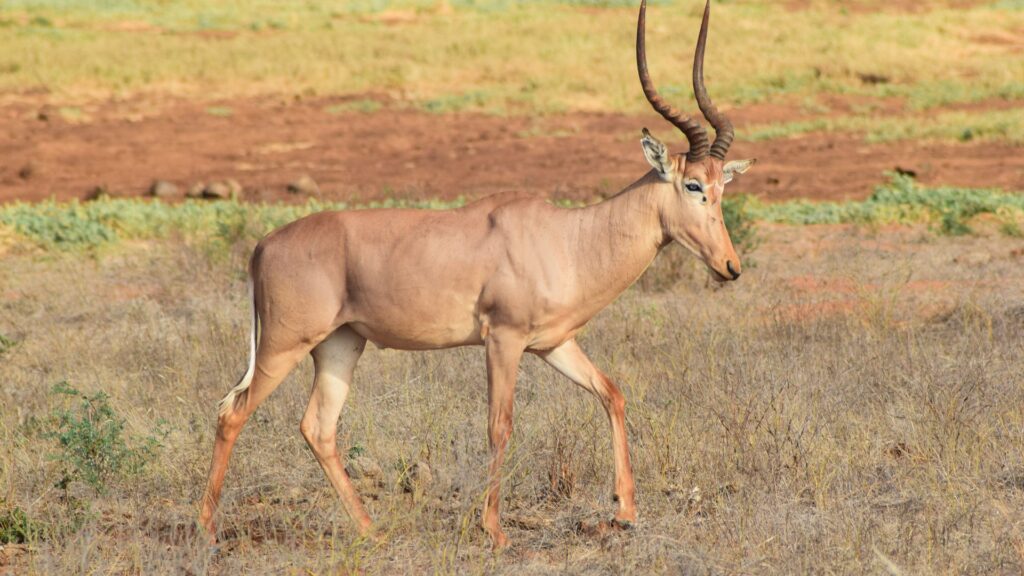
Hirola Antelopes stand out with their long faces, ringed horns, and the dark markings beneath their eyes that look almost like glasses. They live along the border of Kenya and Somalia, roaming through open grasslands. Once common, they’ve dwindled to only a few hundred in the wild. Conservation groups are working to keep them safe, so catching sight of one now means witnessing a rare species holding onto its place in Africa’s plains.
Eastern Hellbenders

Eastern Hellbenders are giant salamanders that can stretch nearly two feet long, making them the largest in North America. They live under cool, rocky streams across the eastern United States, where clean water keeps them thriving. Their wrinkled skin helps them breathe underwater, so pollution hits them hard. Populations have dropped across many states, but they still hold a strange charm that draws scientists and wildlife fans hoping to catch sight of one in the wild.
The Saola

The Saola is often called Asia’s unicorn, though it looks more like a graceful antelope with long, straight horns. It lives deep in the forests along the border of Vietnam and Laos, moving quietly through the trees. Scientists only discovered it in the 1990s, and sightings since then have been rare. It’s so elusive that few people have ever seen one in person, adding to the mystery of an animal that almost vanished before anyone knew it existed.
Vaquitas

Vaquitas are the smallest porpoises on Earth, found only in Mexico’s Gulf of California. They have dark eyes, rounded faces, and a shy nature that keeps them near the surface before vanishing underwater. There are fewer than 10 left, so every sighting matters. Fishing nets have trapped many over the years, shrinking their numbers fast. They’ve become a rare reminder of how fragile ocean life can be when people and wildlife share the same waters.
Northern Bald Ibises

Northern Bald Ibises look striking with their bare red faces, long curved beaks, and shiny black feathers that catch the light. They were once common across Europe, the Middle East, and North Africa, but now only a few wild colonies remain. Most live in Morocco, and a few live in protected areas in the Middle East. They prefer rocky cliffs and open plains, flying together in loose groups that make them easy to spot against clear skies.
Pygmy Three-Toed Sloth

The Pygmy Three-Toed Sloth lives only on a tiny island off the coast of Panama. It spends most of its life high in mangrove trees, moving slowly and blending perfectly with the branches. Its small size and gentle face make it look almost shy. There are fewer than a hundred left, so every single one matters. Habitat loss and human activity have made it one of the rarest mammals in Central America.
Javan Rhinos

Javan Rhinos are among the rarest large animals on Earth, with fewer than 80 left. They live in a single national park in Indonesia, surrounded by thick rainforest and muddy valleys. Unlike their African relatives, they have only one horn and a smaller build. They’re shy and quiet, often moving through dense vegetation where few people ever see them. Conservation teams watch them closely, hoping the last group continues to grow in peace.
Axolotls

Axolotls are small aquatic salamanders from Mexico that look like they’re always smiling. They keep their feathery gills through adulthood, giving them a distinctive look. They live only in the canals of Xochimilco near Mexico City, where urban growth and pollution have nearly wiped them out. Scientists study them for their ability to regrow limbs, which has made them famous worldwide. Wild ones are rare now, living quietly beneath the murky water among the reeds and lilies.
Yangtze Giant Softshell Turtle
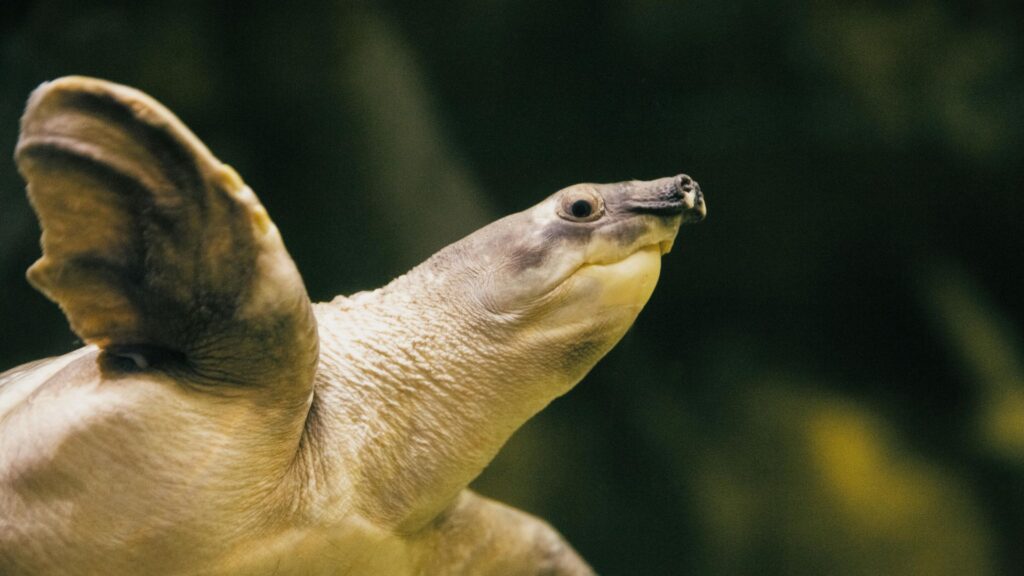
The Yangtze Giant Softshell Turtle is one of the rarest animals alive, with only a few known to exist. It’s massive, reaching over three feet long, and has a smooth shell that looks more like leather than armor. It spends most of its life buried in mud or gliding through quiet lakes in China and Vietnam. Conservationists have spent years trying to breed them, hoping to keep this ancient species from disappearing completely.
Kakapos

Kakapos are large, flightless parrots found only in New Zealand. They’re covered in soft green feathers that blend perfectly with the forest floor, and they move quietly at night, looking for fruit and seeds. Unlike most birds, they can’t fly, so they rely on strong legs to climb trees and glide down again. Fewer than 250 exist today, each one tracked and protected on remote islands to give the species a better chance to recover.
Help Keep These Species Around

Many of these animals are down to their last few, but there’s still time to make a difference. Learning about them, supporting conservation groups, or visiting responsible wildlife programs can help keep them around longer. Every effort counts, no matter how small it may seem. Awareness spreads fast, and caring about their future is one way to help them stay part of our shared planet.
PetsFanatic Team
Pet Care Expert & Content Creator
Passionate about sharing knowledge and tips for better pet care. Writing about everything from pet health to training techniques.