
Bali Officially Bans Elephant Rides After Report of 5.5 Billion Animals Being Exploited for Profit

Indonesia has taken a rare step in animal tourism policy, ordering an end to elephant rides across Bali as concerns about treatment inside tourist venues continue to surface. Forestry authorities issued the directive after mounting scrutiny around how elephants experience daily handling, training, and public contact. As the order took effect, well-known attractions including Bali Zoo and Mason Elephant Park began removing riding programs from their operations, marking a clear change in how wildlife tourism operates on the island.
That decision arrives as global attention tightens on the scale of animal exploitation tied to entertainment and travel. A recent World Animal Protection report estimates 5.5 billion animals enter profit-driven systems each year, many bred or trained specifically for public interaction. Within Southeast Asia, elephants sit near the center of that industry, with thousands living inside tourism venues shaped by visitor demand rather than natural behavior.
For travelers, Bali’s ban reframes what responsible tourism can look like. Experiences centered on observation now replace direct contact, aligning public access with animal welfare standards that governments increasingly acknowledge rather than ignore.
The Welfare Costs Behind Elephant Ride Tourism
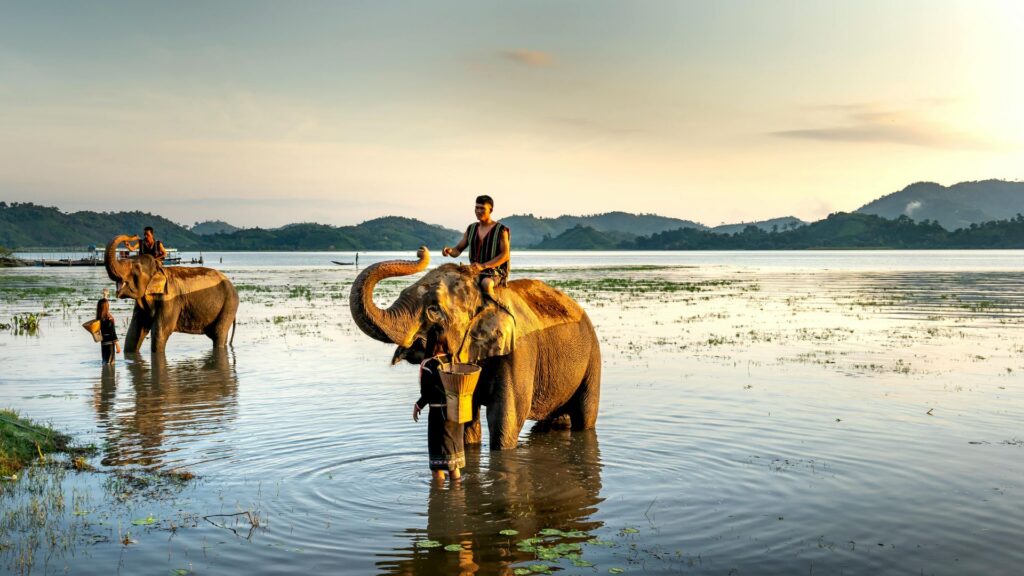
Elephant rides often present themselves as gentle encounters, yet daily routines inside tourism venues tell a different story rooted in control and conditioning. Training commonly relies on confinement methods known as “the crush,” where handlers use restraint and pain to force compliance. Over time, that process shapes animals into passive performers rather than social mammals with complex needs.
Physical strain follows as elephants carry riders for hours on unforgiving surfaces that wear down feet and joints. Veterinary groups linked to World Animal Protection document chronic infections, cracked nails, and mobility loss that shorten lifespans inside captivity. Those injuries accumulate quietly, which allows venues to keep operating without visible warning signs for visitors.
Mental stress compounds the damage as constant handling disrupts herd bonds and natural behavior. Elephants in tourism settings frequently display repetitive movements and withdrawal, signals researchers associate with long-term psychological distress. Removing rides interrupts that cycle and allows care standards to focus on observation rather than forced interaction.
Government Enforcement in Wildlife Attractions

Indonesia’s decision places regulatory authority directly inside tourism spaces that historically operated with limited oversight. Forestry officials moved beyond voluntary guidelines and issued a clear directive that forced venues to comply rather than adapt at their own pace. As a result, high-profile facilities in Bali removed riding programs once enforcement became unavoidable.
That action reflects how government standards can redefine daily operations inside wildlife attractions. When authorities establish clear welfare boundaries, operators face measurable expectations tied to licensing and public accountability. World Animal Protection noted that policy intervention “sets a clear line for what treatment of wild animals should look like in tourism,” reinforcing that compliance no longer depends on marketing claims.
Public enforcement also changes how tourists interpret animal experiences. Official bans send a signal that certain practices fall outside acceptable conduct, which narrows the space for misleading narratives at the point of sale. Over time, that clarity reshapes how destinations regulate animal encounters without relying on visitor judgment.
A Clear Signal for the Future of Animal Tourism

Bali’s ban also highlights how tourism economics can function without physical animal interaction. Venues that already transitioned to observation-based programs report steady attendance and longer visitor stays built around education and conservation messaging. That model attracts travelers who want transparency and aligns spending with care standards rather than spectacle.
Beyond Indonesia, similar policy discussions now surface across Southeast Asia as regulators examine tourism licensing and breeding controls. Advocacy groups continue pressing governments to restrict captive breeding tied to entertainment, pointing to long-term welfare outcomes and public accountability. Each regulatory move adds pressure on operators that still rely on outdated attractions.
Public response remains part of that momentum as traveler demand increasingly favors verified welfare practices. When governments act, and consumers respond, operators adjust to remain viable within new boundaries. Bali’s decision fits that pattern, showing how animal tourism evolves through regulation, market behavior, and sustained scrutiny over time globally.
PetsFanatic Team
Pet Care Expert & Content Creator
Passionate about sharing knowledge and tips for better pet care. Writing about everything from pet health to training techniques.