
The Colorful Truth About How Dogs See the World

When you toss your dog that bright red ball, you might think it’s the most eye-catching toy in the park. But to your furry friend, it might look more like a dull brownish shade.
While dogs don’t see the rainbow the same way we do, their vision is far from boring. In fact, the way they perceive colors, light, and movement tells a fascinating story about how they’ve evolved.
Understanding this not only satisfies curiosity but can also help you choose toys, training tools, and even home décor that better suit your furry friend’s vision.
Dogs See in Blues and Yellows, Not the Full Spectrum

Humans are trichromatic, meaning we have three types of color receptors that let us see a wide range of hues. Dogs only have two, so they’re dichromatic. This means blues and yellows stand out clearly, while reds, greens, and some oranges look more muted or grayish. Think of it like watching TV with the color settings dialed down—the picture’s still there, just with fewer tones.
Reds and Greens Are a Bit of a Blur

That bright green tennis ball you bought? To your dog, it probably blends into the grass. Reds can also appear as shades of brown. This is why some dogs seem to lose interest in certain toys outside. They literally can’t spot them as easily. A blue or yellow ball is much easier for them to track in a field.
Built for Motion, Not Just Color
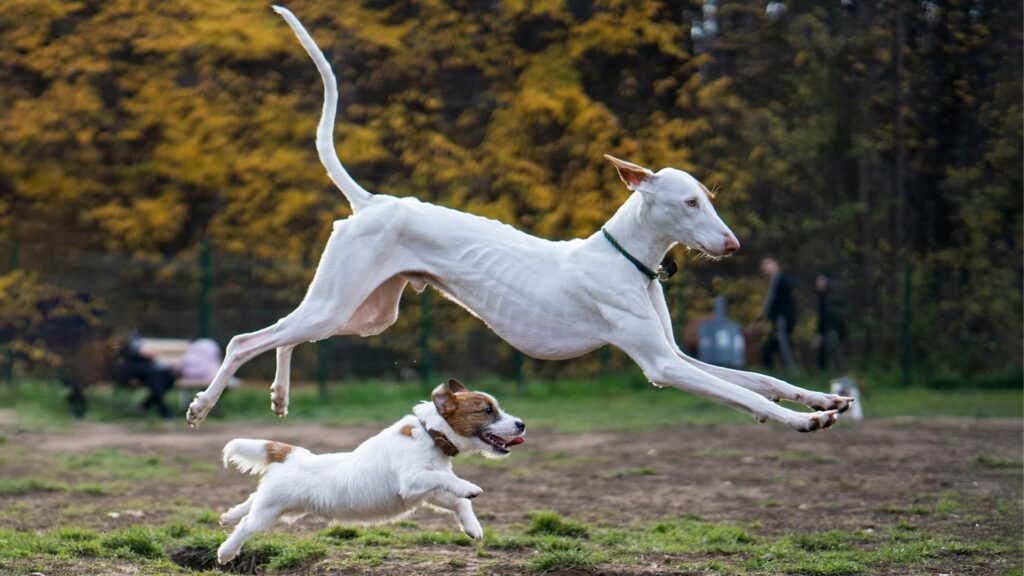
Dogs may not have our color range, but they make up for it with exceptional motion detection. Their eyes have more rod cells, which are sensitive to movement and work well in low light. That’s why your dog notices a squirrel dashing across the yard before you even register it’s there.
Excellent Night Vision
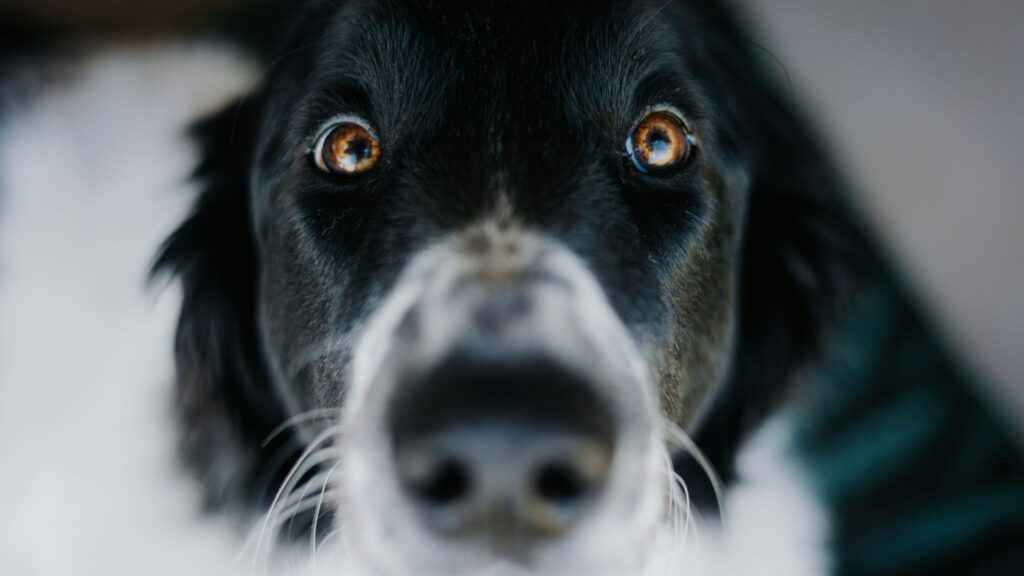
Because of their rod-rich eyes and a special reflective layer called the tapetum lucidum, dogs can see better than humans in dim light. This is the same layer that makes their eyes glow in flashlight photos. It’s a key adaptation from their days as nocturnal hunters.
Wide-Angle View of the World

While humans have a field of vision around 180 degrees, dogs can see up to 250 degrees, depending on their breed and head shape. This panoramic view helps them spot potential prey as hunting dogs or their favorite human coming home, without needing to turn their head.
Color Isn’t Their Only Guide

Dogs don’t rely solely on sight to navigate the world. Smell and hearing often take the lead, with vision acting as one piece of the puzzle. Even if they can’t distinguish certain colors, they can identify objects by combining visual cues with scents they’ve memorized.
Toy and Training Choices Matter

Knowing what colors your dog sees best can make playtime more fun. Opt for blue or yellow toys, which stand out against most backgrounds. This simple switch can help them find toys faster and stay engaged during games of fetch or agility training.
Their Vision Is Perfectly Designed for Their Needs
Dogs don’t need human-level color vision. Their eyesight evolved for survival. The combination of motion detection, night vision, and a wide field of view made them skilled hunters and watchful companions long before they became our pets.
Seeing the World Through a Dog’s Eyes

Understanding how dogs see isn’t just fascinating; it can also improve how we interact with them. From picking the right toys to setting up their environment, knowing their strengths helps us create a more enriching life for our pets. They might not see the full rainbow, but their vision is perfectly tuned to the life they live.
PetsFanatic Team
Pet Care Expert & Content Creator
Passionate about sharing knowledge and tips for better pet care. Writing about everything from pet health to training techniques.