
Emperor Penguins Listed as Endangered After 10% of the Population Disappeared in Nine Years

Emperor penguins, the largest of all penguin species, have officially been classified as endangered after scientists documented a significant population decline linked to climate change. New data shows that roughly 10 percent of the global population disappeared between 2009 and 2018, raising urgent concerns about the species’ future. Researchers say the loss is closely tied to rapidly changing conditions in Antarctica, particularly the collapse of stable sea ice. This development highlights the growing impact of environmental changes on even the most remote ecosystems.
A Sudden and Alarming Population Decline

Satellite imagery revealed that around 20,000 adult emperor penguins vanished over a nine-year period, representing about 10 percent of the total population. This decline was not gradual but rather a sharp drop that surprised researchers studying long-term trends in Antarctica. Scientists warn that such losses could accelerate if environmental conditions continue to worsen. The findings mark one of the clearest signs yet that the species is under serious threat.
Why Sea Ice Is Critical for Survival

Emperor penguins rely heavily on stable sea ice for breeding, raising chicks, and molting, making it a cornerstone of their survival. When ice forms too late or breaks apart too early, chicks can fall into freezing waters before developing waterproof feathers. This dependency makes the species especially vulnerable to even small shifts in climate patterns. As sea ice becomes less reliable, entire colonies face growing risks.
Climate Change Driving the Crisis
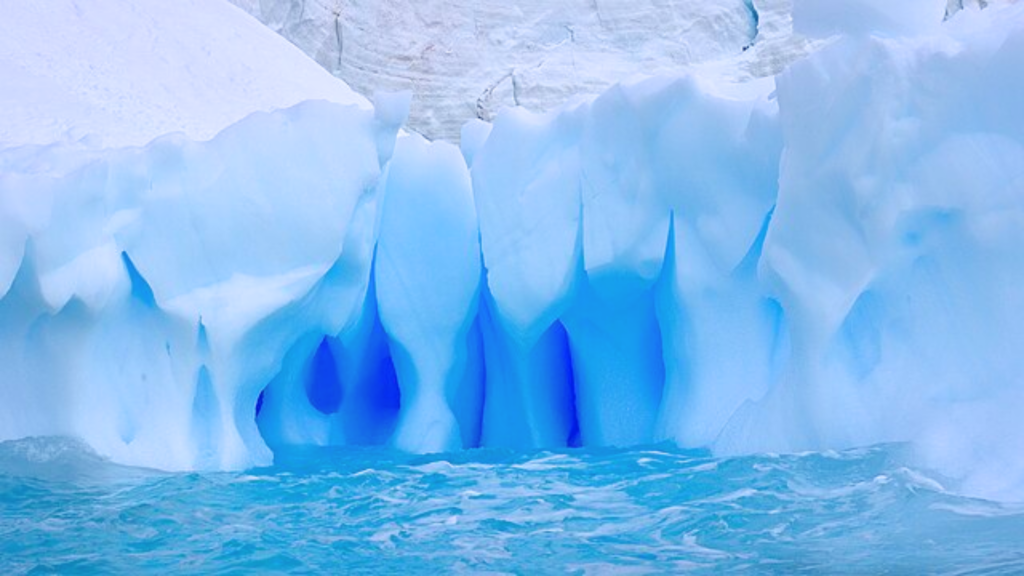
The primary cause of the emperor penguin’s decline is climate change, which is rapidly warming the Antarctic region and reducing sea ice coverage. Since 2016, scientists have recorded some of the lowest sea ice levels ever observed, directly affecting breeding grounds. Rising temperatures disrupt the delicate balance that penguins depend on, leading to habitat loss and reduced survival rates. This trend is expected to continue without major global efforts to reduce emissions.
Mass Chick Deaths Raise Alarm

One of the most devastating impacts of melting ice is the widespread death of penguin chicks, many of which drown when breeding platforms collapse prematurely. In some regions, entire colonies have failed to produce surviving chicks during particularly bad years. These repeated breeding failures have a compounding effect on population numbers over time. Scientists say this is one of the key drivers behind the recent population decline.
Officially Listed as Endangered

The International Union for Conservation of Nature has now reclassified emperor penguins from near threatened to endangered, reflecting the severity of the situation. This designation signals that the species faces a very high risk of extinction in the wild if current trends continue. Conservation organizations are urging immediate global action to address the root causes of the decline. The new status is a major milestone in recognizing the urgency of the crisis.
What the Future Could Look Like

Projections suggest that emperor penguin populations could drop by as much as half by the end of the century if warming continues at current rates. Some models even indicate a high probability of severe population collapse within decades. These forecasts highlight how quickly environmental changes can reshape entire species populations. Without intervention, the long-term outlook remains deeply concerning.
A Warning Sign for the Planet

Scientists describe emperor penguins as a “sentinel species,” meaning their decline reflects broader environmental changes happening across the planet. Because they depend so heavily on stable ice, they are among the first to show the effects of climate disruption. Their struggles offer a glimpse into how other species and ecosystems may be affected in the future. This makes their decline a global concern, not just a regional one.
Calls for Urgent Global Action

Experts and conservation groups are calling for stronger climate policies, including reducing greenhouse gas emissions and protecting Antarctic ecosystems. Some are also pushing for additional protections under international agreements to safeguard penguin habitats. These efforts aim to slow the pace of environmental change and give the species a better chance of survival. However, scientists stress that time is running out to reverse current trends.
A Species at a Crossroads

The classification of emperor penguins as endangered marks a critical turning point in the fight to protect one of the planet’s most iconic species. With a 10 percent population loss already recorded in less than a decade, the warning signs are clear and increasingly urgent. The future of these penguins now depends on global efforts to address climate change and preserve their fragile habitat. Their fate serves as a powerful reminder of how environmental shifts can reshape life on Earth.
PetsFanatic Team
Pet Care Expert & Content Creator
Passionate about sharing knowledge and tips for better pet care. Writing about everything from pet health to training techniques.