
Emergency Lawsuit Filed to Halt Bear Program That Already Killed 180 Bears

A controversial wildlife program in Alaska is facing urgent legal action after conservation groups filed an emergency lawsuit to stop what they describe as a large-scale and unlawful killing of bears. The program, aimed at boosting caribou populations, has already resulted in the deaths of around 180 bears in recent years, sparking outrage among environmental advocates. With plans to resume the killings soon, opponents warn that immediate intervention is needed to prevent further irreversible damage to bear populations and the broader ecosystem.
What the Bear-Killing Program Involves

The program allows state officials to kill brown and black bears across a vast area of southwest Alaska, covering roughly 40,000 square miles. In some cases, the method involves aerial shooting from helicopters, enabling teams to target bears in remote regions. Critics argue that the program effectively places no meaningful limits on how many bears can be killed, raising serious concerns about sustainability and oversight.
Why the State Supports the Program

Alaska officials say the goal of the predator control program is to help rebuild the struggling Mulchatna caribou herd, which has seen dramatic population declines over the years. By reducing the number of predators (particularly bears and wolves) the state believes more caribou calves will survive, allowing the herd to recover. Supporters argue that this approach is necessary to protect an important food source and cultural resource for local communities.
How Many Bears Have Already Been Killed
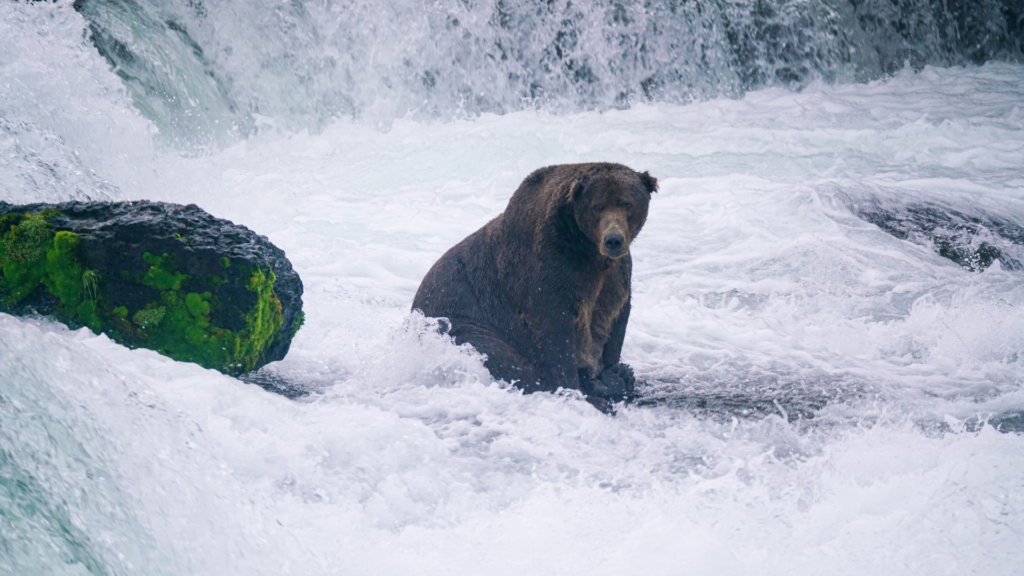
According to court filings and reports, approximately 180 bears (mostly brown bears) have already been killed under the program between 2023 and 2025. This figure has become a central point in the legal challenge, with critics arguing that the scale of the killings is excessive and unjustified. The number highlights the real-world impact of the policy and has intensified calls for it to be halted.
Why Conservation Groups Filed an Emergency Lawsuit

Organizations including the Alaska Wildlife Alliance and the Center for Biological Diversity have filed an emergency motion in court to immediately stop the program from resuming. They argue that without swift legal action, the state could restart bear killings within weeks, potentially causing irreversible harm to wildlife populations. The urgency of the filing reflects concerns that once the program resumes, it may be difficult to limit its impact.
Claims the Program Is Unlawful

The lawsuit argues that the bear-killing program violates the Alaska Constitution because it lacks sufficient scientific evidence to ensure that bear populations are being managed sustainably. A previous court ruling had already found key aspects of the program unlawful, citing a lack of credible data and proper oversight. Critics say the state has failed to correct these issues before attempting to restart the program.
A History of Legal Battles Over the Program

This is not the first time the program has faced legal challenges. Earlier versions were struck down by courts, and judges have even accused the state of acting in “bad faith” by continuing operations despite rulings against it. Despite these setbacks, the Alaska Board of Game reinstated the program, setting the stage for the current legal battle.
Concerns About Unlimited Killing
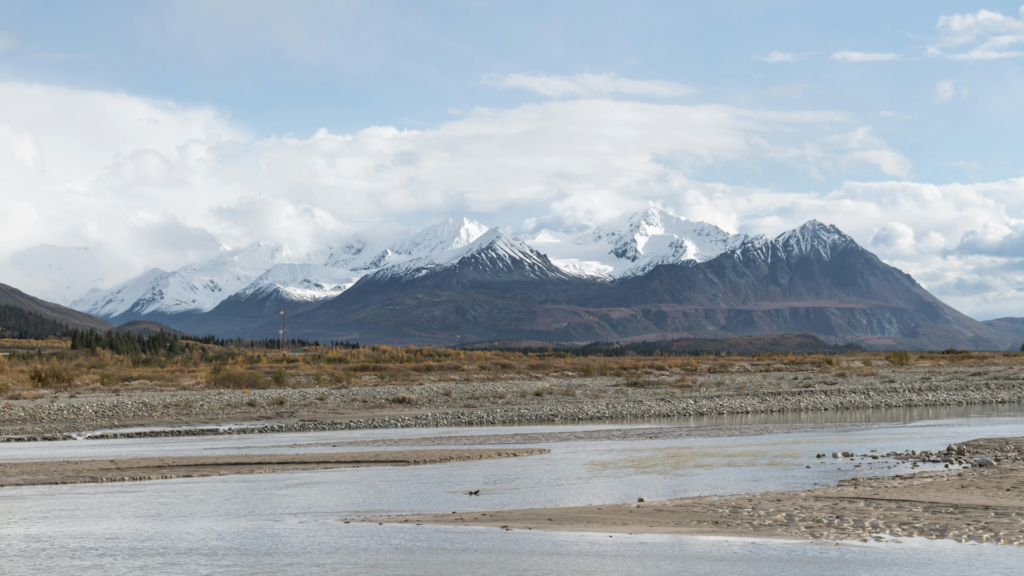
One of the most controversial aspects of the program is that it allows for the killing of an unlimited number of bears within the designated area. Conservationists argue that without clear limits or population data, the program risks devastating local bear populations. They warn that such an approach could disrupt ecosystems and lead to long-term environmental consequences.
The Broader Environmental Impact

Bears play a critical role in maintaining ecological balance, influencing everything from vegetation to the behavior of other animals. Removing large numbers of predators can have cascading effects across the ecosystem, potentially creating new problems rather than solving existing ones. Critics of the program argue that wildlife management decisions should be based on science and long-term sustainability, not short-term population goals.
What Happens Next
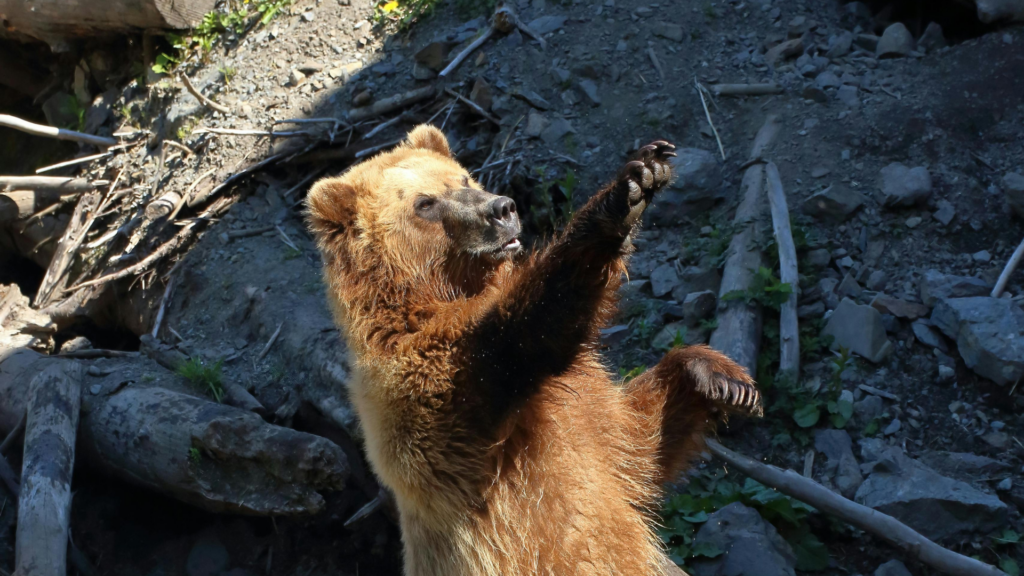
The future of the bear-killing program now rests in the hands of the court, which will decide whether to grant the emergency request and halt the operation while the broader lawsuit proceeds. If the injunction is denied, the state could resume killings as early as the coming months. As the legal battle unfolds, the case is likely to remain a flashpoint in the ongoing debate over wildlife management, conservation, and the balance between human interests and environmental protection.
PetsFanatic Team
Pet Care Expert & Content Creator
Passionate about sharing knowledge and tips for better pet care. Writing about everything from pet health to training techniques.