
Scientists Analyzed Elephant Trunks After Discovering Their Hidden Armor-Like Design
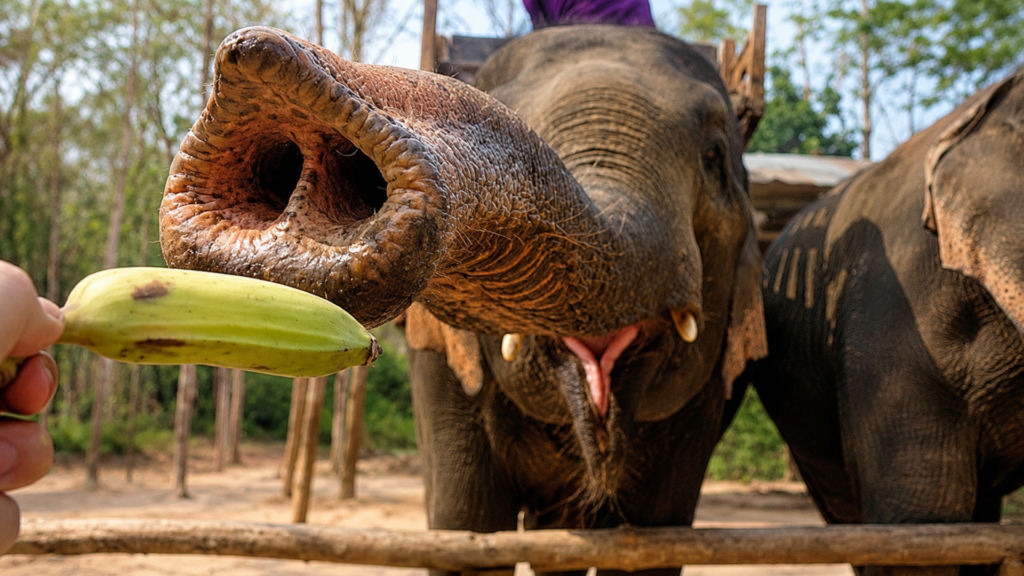
An elephant can crush a fallen tree and still peel a banana without bruising it. That kind of control seems impossible for one single body part to pull off. Scientists just found the secret hiding in plain sight. An elephant’s trunk is not one uniform tube of muscle. It is two completely different surfaces working together, one built like armor and one built like a fingertip. Robots may soon borrow that exact design.
One Body Part, Two Extremes of Strength and Precision
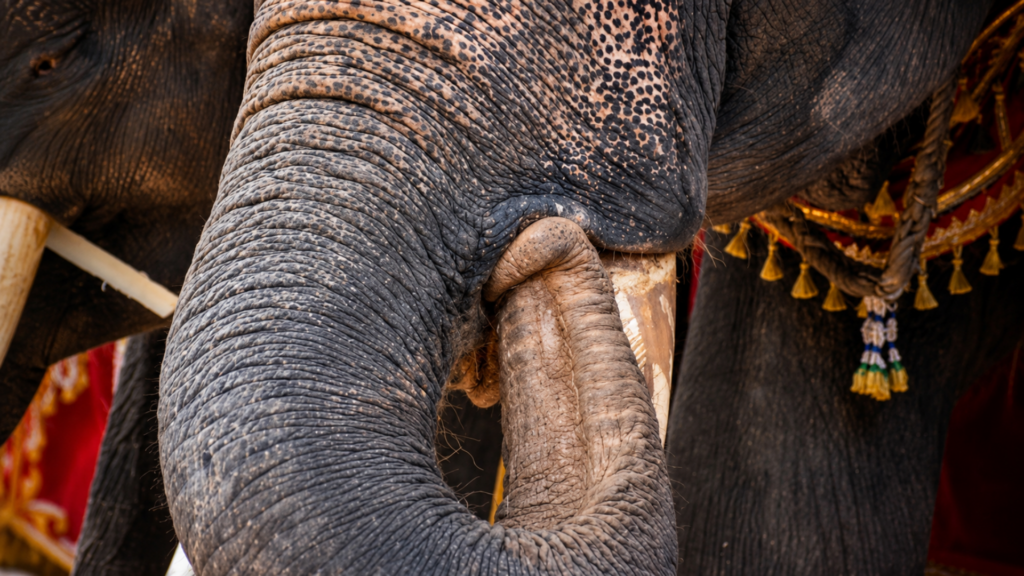
A trunk is far more capable than most people give it credit for. With no bones at all, an elephant’s trunk relies entirely on muscle to lift heavy logs, uproot small trees, and still manage delicate tasks like picking a single peanut out of its shell. That range, from crushing force to precise pinching, is rare in the animal world. What lets one body part swing between those two extremes so easily?
One Elephant’s Trunk Became a Serious Science Experiment
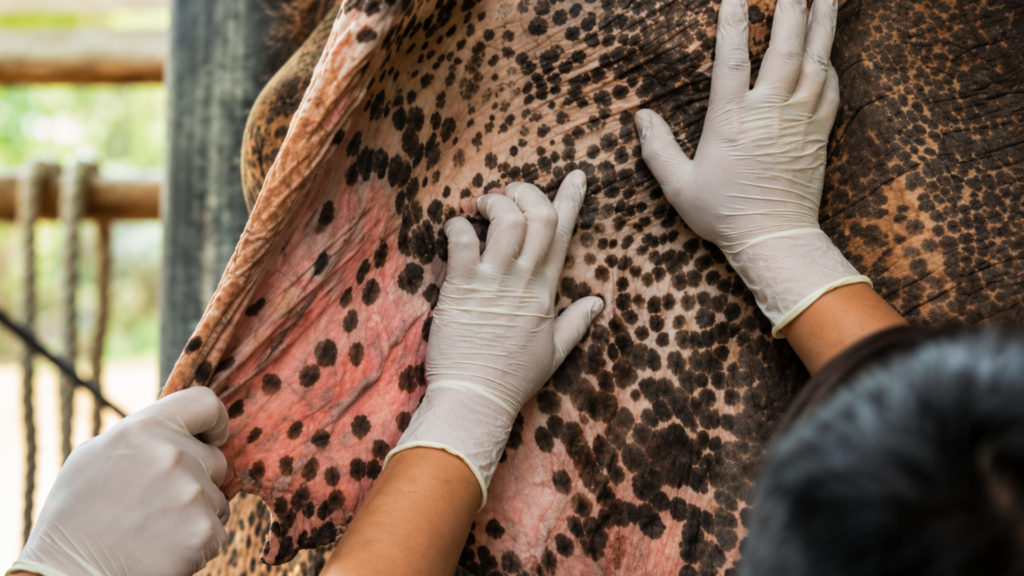
A single trunk from a single elephant sparked this entire discovery. Researchers led by Lucia Beccai at the Istituto Italiano di Tecnologia obtained a trunk from an adult Asian elephant that died of natural causes at Zurich Zoo in 2020. Rather than treating it as one uniform structure, the team set out to study its skin and tissue in extreme detail. A body part most people take for granted became a serious research subject.
Thirty-Five Samples Later, the Full Picture Emerged
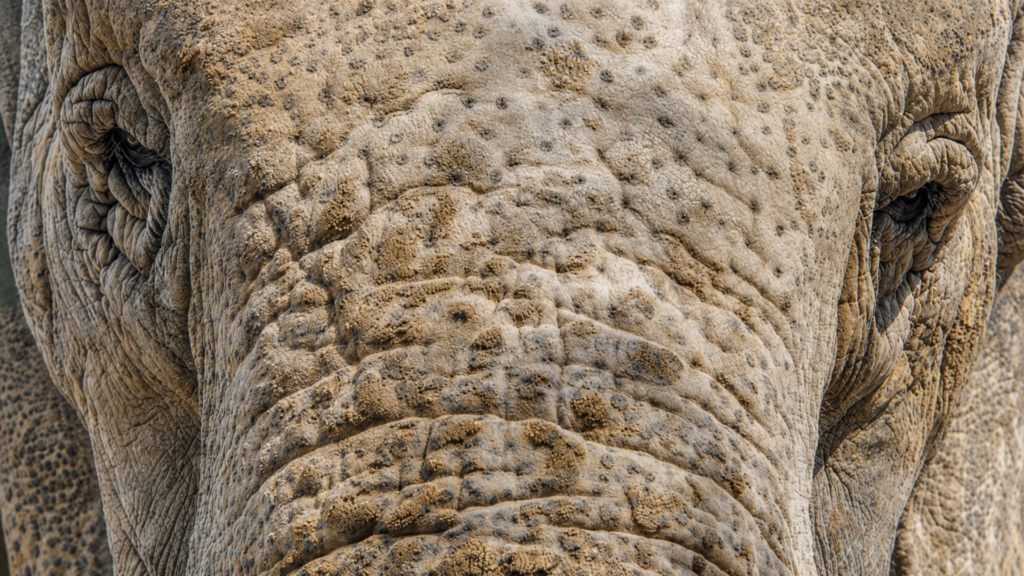
Understanding a trunk properly takes more than a quick look. Beccai’s team examined 35 separate samples taken from across the specimen, using biomechanical testing, histology and multiple imaging techniques alongside computational modeling. That kind of layered approach reveals details a single test could never catch. Each method added a piece to a much bigger picture of how the trunk actually works.
The Top of the Trunk Is Basically Armor
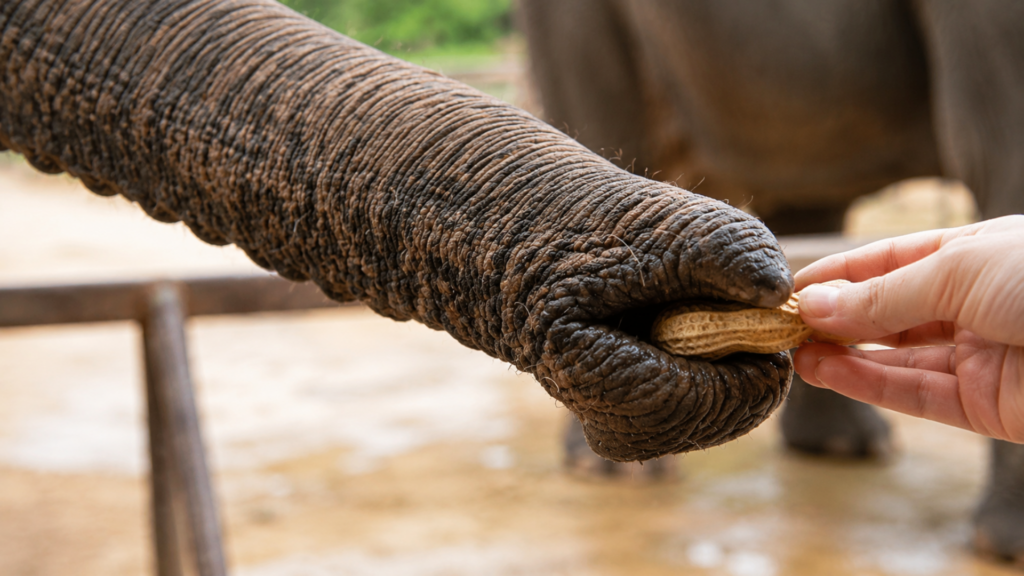
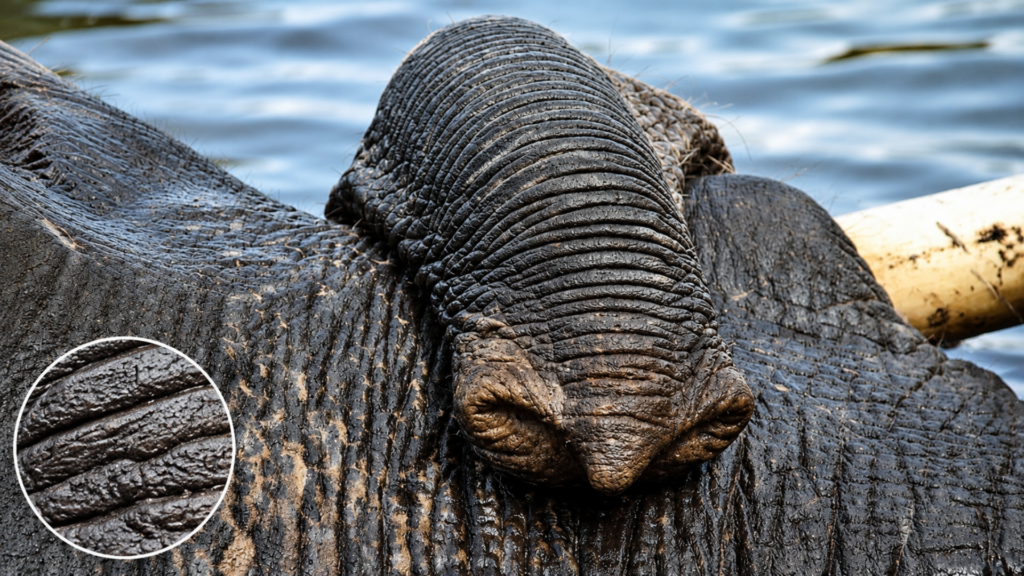
The trunk’s skin is not one material, it is two. Researchers found the top, or dorsal, skin acts like a tough armor shield, while the underside, or ventral, skin stays soft and flexible. According to the study, the dorsal skin measures 3.14 times stiffer than the ventral side beneath it. That difference means the top can absorb scrapes and impact while the bottom stays soft enough to feel delicate objects.
Softness Turns Out to Be the Real Grip Strength
Softness, in this case, is exactly what makes a strong grip possible. The trunk’s ventral skin stays deliberately low in stiffness, allowing it to bend and mold itself around whatever object it touches. That flexibility increases the surface area in contact with an object, which creates a steadier hold. A stiffer material simply could not wrap around a peanut shell the same way. Sometimes softness is the real strength.
A Hidden Layer of Bumps Was Built for Feeling
Hidden beneath the trunk’s soft skin sits a structure built for feeling, not just holding. Researchers identified dome shaped structures called dermal papillae just under the ventral surface. These small bumps are not visible from outside the trunk at all. Their placement lines up directly with where the trunk’s sensory nerves sit. Nature, it seems, built a sensor system before scientists ever went looking for one.
A Light Touch Gets Amplified Before It Reaches a Nerve
A tiny bump can do a surprising amount of physical work. Computational modeling in the study showed that the dermal papillae act like a mechanical lens beneath the skin, concentrating and amplifying pressure exactly where sensory nerves are located. That amplification means even a light touch generates a stronger signal for the elephant to detect. A featherlight touch on the outside becomes a much clearer signal on the inside.
Robotics Engineers Have Been Chasing This Exact Balance for Years
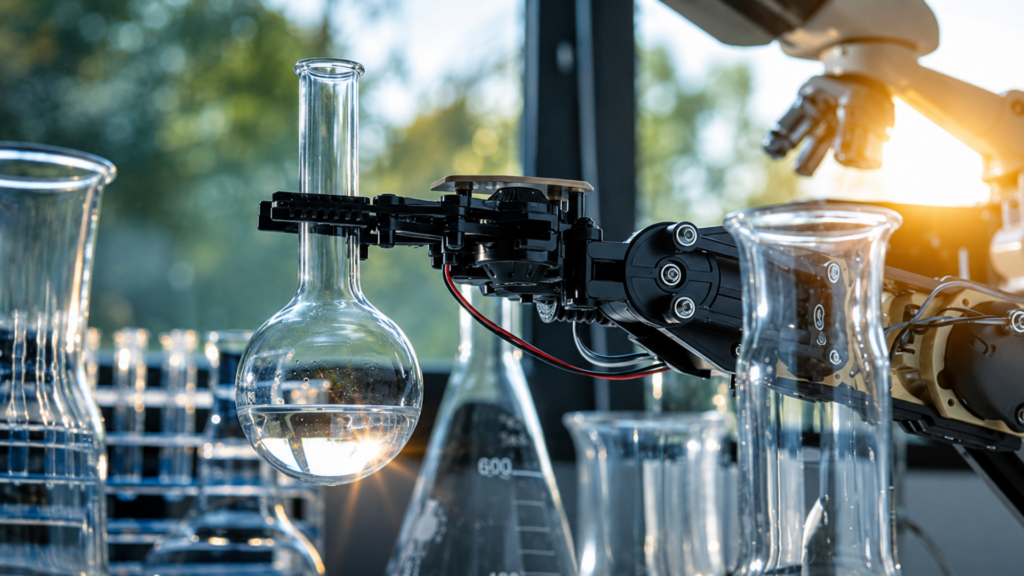
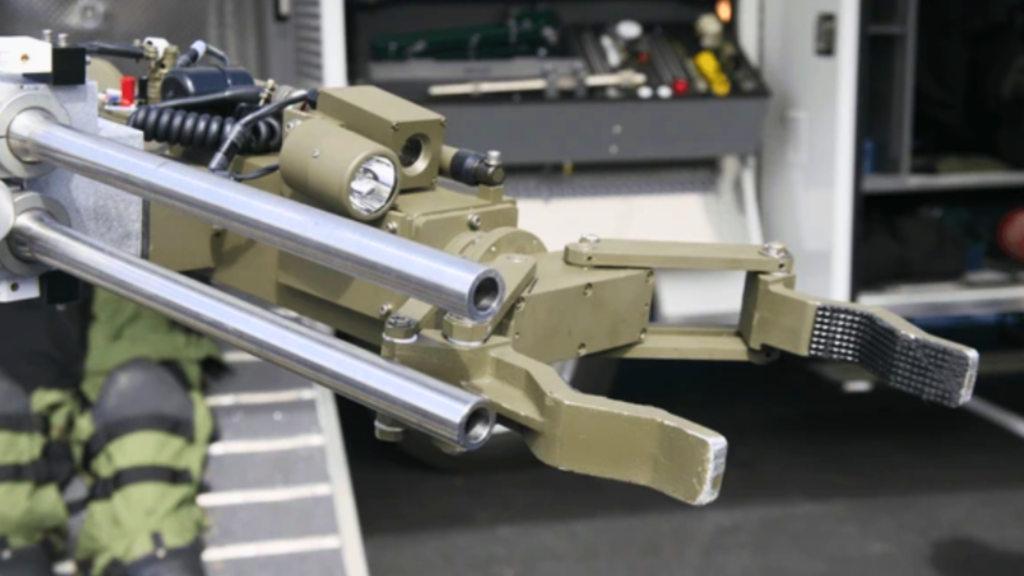
This discovery matters well beyond elephants. Engineers building soft robotic grippers have struggled for years to balance toughness with sensitivity, since most materials that resist damage also dull a sensor’s touch. The trunk’s two layer design solves that problem naturally, pairing an armored outer layer with a hypersensitive inner one. Could future robotic hands finally combine both traits without sacrificing either one?
That Bruise-Free Banana Peel Finally Makes Sense
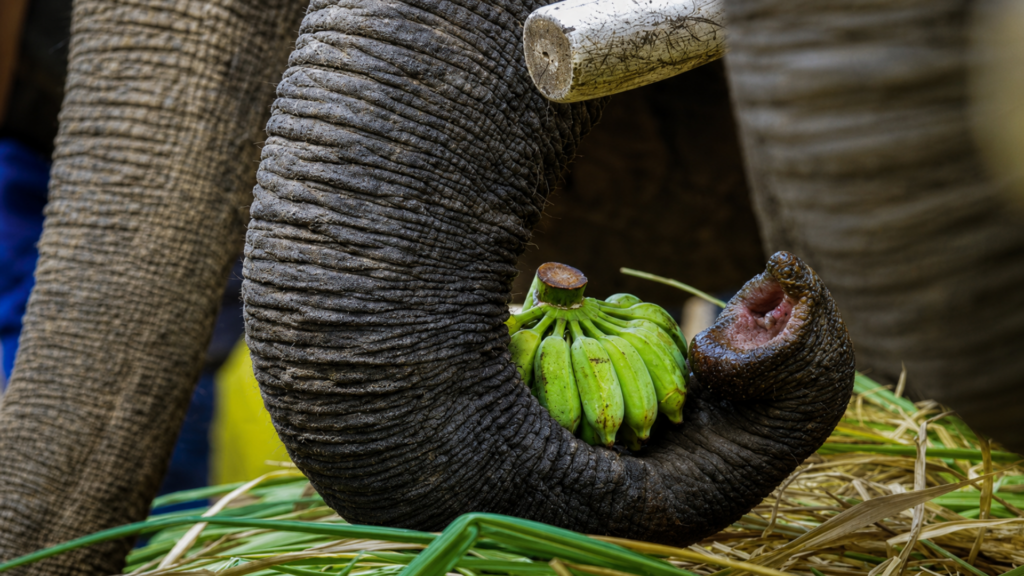
That banana peeled without a bruise now makes a lot more sense. An elephant’s trunk was never one simple tool, it was always two systems working as one, an armored shield stacked over a sensitive grip. Scientists studied a single trunk from a single elephant and found a blueprint that took millions of years to perfect. The next robotic hand that gently picks something up may owe its design to that exact discovery.
PetsFanatic Team
Pet Care Expert & Content Creator
Passionate about sharing knowledge and tips for better pet care. Writing about everything from pet health to training techniques.