
Dozens of Stranded Leopard Cubs Rescued and Reunited With Their Mothers
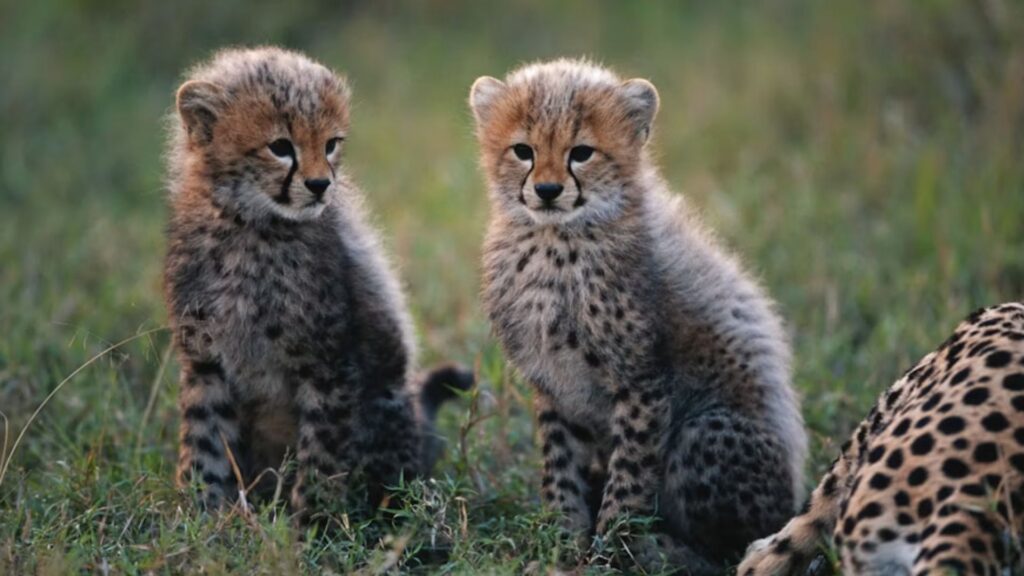
As agricultural landscapes continue to expand across parts of Central India, an unexpected challenge has emerged for local wildlife. Leopard mothers increasingly use dense sugarcane and corn fields as safe places to give birth and raise their cubs, creating situations where young animals can become separated from their families.
Conservationists working in the region noticed that many newborn cubs were being discovered alone in fields. While people often assumed the animals had been abandoned, this was rarely the case. In most situations, the mother had temporarily left to hunt and was planning to return once conditions were safe.
Unfortunately, when well-meaning individuals removed the cubs from these locations, they unintentionally disrupted the natural bond between mother and offspring. What appeared to be a rescue often led to permanent separation and a future spent in captivity.
Understanding Why Cubs Become Stranded

The transformation of natural habitats into farmland has changed how leopards navigate the landscape. Unlike many large predators, leopards are remarkably adaptable and frequently live close to human communities, making encounters between people and wildlife increasingly common.
Experts observed that female leopards often choose agricultural fields because the tall vegetation offers protection for vulnerable newborns. However, this strategy can create misunderstandings when farmers or local residents discover cubs resting alone during the day.
Many people instinctively intervene, believing immediate action is necessary. Yet wildlife specialists explain that a solitary cub is not always in danger. In many cases, the safest approach is to leave the animal undisturbed and alert local wildlife authorities for guidance. The growing number of these incidents prompted conservation groups to search for a solution that could protect both the cubs and their mothers while reducing conflict with nearby communities.
Finding A Way Back To The Wild

To address the problem, Wildlife SOS developed a specialized reunion program focused on reconnecting separated cubs with their mothers. The process begins as soon as rescuers receive information about a young leopard that has been removed from its original location.
Before any reunion attempt takes place, veterinarians conduct a thorough health assessment. Ensuring the cub is healthy enough to be returned is a critical step, as injured or vulnerable animals may require additional care before release.
Once the cub receives medical clearance, conservation teams prepare for the reunion during the evening hours, when mother leopards are naturally more active. Timing is essential because it significantly increases the chances of a successful recovery by the parent. The effort reflects a broader conservation philosophy that prioritizes keeping wildlife in its natural environment whenever possible, rather than relying on long-term human care.
A Remarkable Success Story For Conservation

One of the most innovative elements of the program is the use of specially designed reunion containers. These secure enclosures protect the cub from predators while allowing the mother to hear, smell, and locate her young during the night.
Camera traps are carefully positioned around the area to monitor activity without disturbing the animals. Footage frequently captures an emotional moment as the mother cautiously approaches, investigates the surroundings, and eventually retrieves her cub.
The results have been remarkable. According to conservation teams, approximately 95 percent of reunion attempts end successfully, allowing young leopards to return to life in the wild where they belong. For the few cubs that cannot be reclaimed, dedicated rescue centers provide long-term care and protection. The initiative demonstrates how science, conservation expertise, and community education can work together to solve complex wildlife challenges. By helping mothers and cubs reunite, the program is preserving not only individual animals but also the future of leopard populations across the region.
PetsFanatic Team
Pet Care Expert & Content Creator
Passionate about sharing knowledge and tips for better pet care. Writing about everything from pet health to training techniques.