
DNA Study Finally Links Sitting Bull to Living Relatives

Stories often outlast records. For generations, Sitting Bull’s family carried a history that institutions couldn’t confirm. Over time, science caught up. A modern DNA study traced a fragile lock of hair back to living relatives, closing a gap that lingered for more than a century. The finding reshapes how Americans view ancestry, memory, and evidence. It also shows how personal history can wait patiently until technology learns how to listen to living voices today again.
Sitting Bull’s Early Life Along the Yellowstone River

Sitting Bull was born along the Yellowstone River during the 1830s, at a time when Lakota life still followed seasonal movement and shared responsibility. His childhood centered on bison hunts, extended family ties, and daily decision-making within the community. Those early experiences shaped how he listened, spoke, and acted later in life, so leadership grew from lived practice rather than a formal title.
Treaty Pressure and Growing Resistance on the Plains
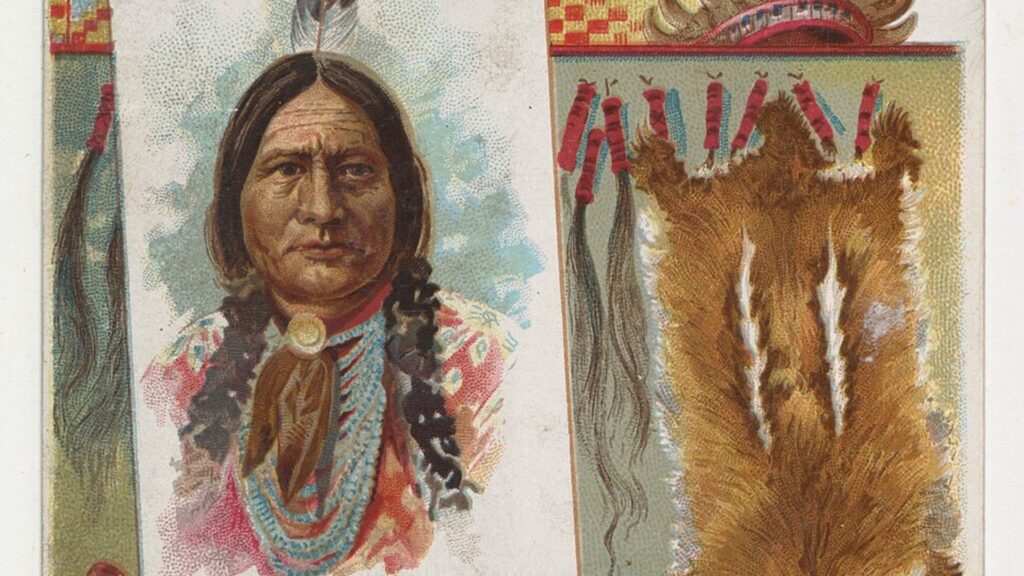
As U.S. expansion accelerated during the 1850s and 1860s, treaty negotiations began arriving faster than Lakota leaders could accept them. Sitting Bull spoke firmly against agreements that reduced hunting grounds or forced relocation. Families watched boundaries shrink on paper and felt the effects on daily life. Pressure kept building, so resistance grew through shared concern, discussion, and collective refusal to sign away land without consent.
Intertribal Alliances During the Northern Plains Conflicts

During the 1870s, pressure on the northern Plains pushed tribes toward closer coordination. Lakota groups joined with the Northern Cheyenne and Arapaho, sharing camps, resources, and plans. Sitting Bull encouraged unity through council discussions rather than command. Families moved together, so decisions reflected shared risk and shared survival. Cooperation grew through trust built over time, and those alliances shaped how communities faced an expanding military presence across the region.
The Vision Before the Battle of Little Bighorn

In the spring of 1876, a ceremonial gathering brought forward a vision that spread quickly through allied camps. The message spoke of soldiers falling from the sky, so many listeners saw it as guidance for what lay ahead. Word traveled through families and councils as preparations continued near the Little Bighorn River. Sitting Bull focused on unity and shared resolve as camps moved and gathered nearby.
Exile to Canada After Military Retaliation

After the fighting intensified, military pressure followed quickly. Sitting Bull led hundreds of Lakota north into Canada, hoping distance would bring stability and time to regroup. Life there stayed uncertain, with limited food and harsh winters shaping daily routines. Families stayed together, so decisions focused on shared survival. Over time, conditions pushed many to consider returning south under U.S. control, even as trust remained thin.
Preservation of Sitting Bull’s Hair in Museum Collections
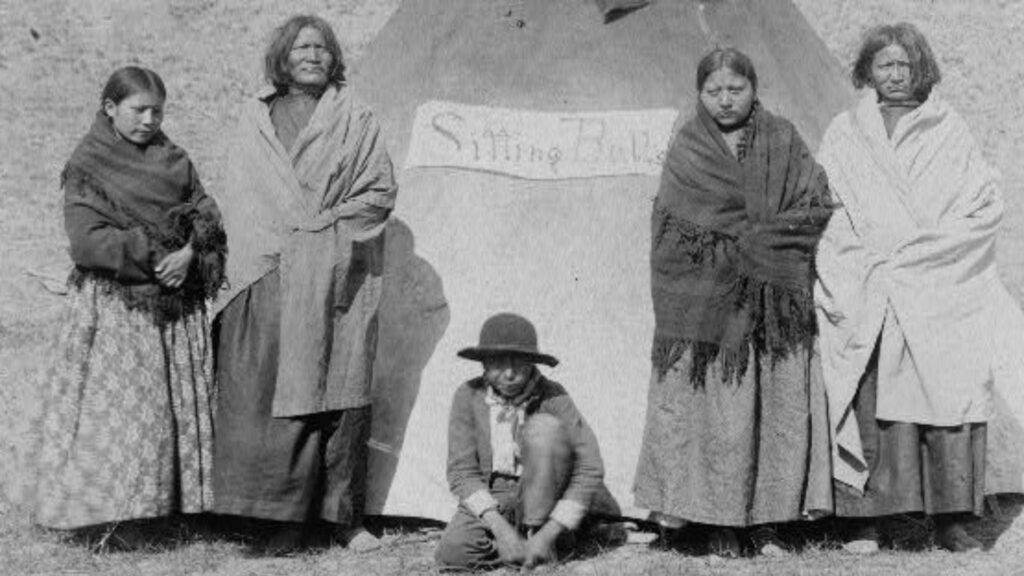
After Sitting Bull’s death in 1890, a small lock of his hair entered the museum care far from Standing Rock. Curators moved it between collections as institutions changed hands and storage standards improved. Time passed quietly, so the strand remained preserved through decades of reorganization. Years later, scientists recognized its value for genetic testing, turning a long-kept artifact into a direct link to living relatives.
Ernie LaPointe and Family Oral History Claims

Ernie LaPointe and his sisters grew up hearing family stories passed down at home, so their connection to Sitting Bull never felt uncertain. Elders shared names, relationships, and responsibilities through everyday conversation. Outside recognition lagged, and requests for written proof often dismissed lived knowledge. Still, the family continued speaking their history openly, trusting that memory carried through generations would one day find acknowledgment through another form of evidence.
DNA Methods Used to Confirm Living Descendants

Researchers worked with DNA taken from a small hair sample kept in museum storage for decades. The material showed heavy degradation, so scientists applied techniques often used on very old biological remains. They focused on autosomal DNA and compared it with samples from living family members. Careful handling, limited contamination, and matching genetic markers confirmed the family connection with a high level of confidence.
Where History and Science Now Move Forward Together
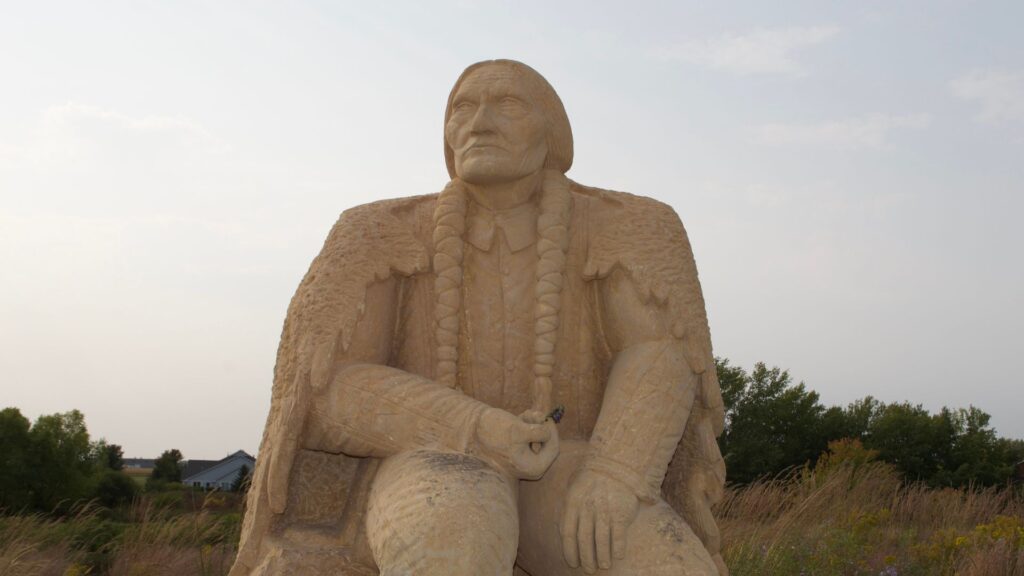
The DNA findings give families a clear path to speak for their own history. Museums, researchers, and institutions can now work directly with descendants when telling Sitting Bull’s story. Readers can see how modern science supports long-held family knowledge. The study also sets a model for respectful collaboration, showing how records, memory, and genetics can meet without overshadowing one another.
PetsFanatic Team
Pet Care Expert & Content Creator
Passionate about sharing knowledge and tips for better pet care. Writing about everything from pet health to training techniques.