
Divers Discover Rare Coins Worth Millions off Florida’s Treasure Coast

For centuries, stories of lost galleons and sunken treasures have fascinated explorers and historians alike. Off Florida’s Treasure Coast, one such legend has resurfaced in the most tangible way: a team of divers has uncovered more than a thousand coins dating back over 300 years. This extraordinary recovery not only revives the tale of a maritime tragedy but also offers a window into the wealth and ambition of the Spanish Empire.
A Hidden Fortune Beneath the Waves

During their latest summer expedition, 1715 Fleet – Queens Jewels LLC, Florida’s largest shipwreck salvage company, announced the discovery of 1,051 silver coins and five gold coins. Valued at nearly $1 million, the find represents one of the most significant recoveries in recent years, reminding the world that the ocean still guards countless secrets.
Echoes of a Tragic Voyage

The treasure is linked to the ill-fated 1715 Fleet, a convoy of eleven Spanish ships struck by a powerful hurricane as they attempted to return to Spain from the New World. Laden with gold, silver, and jewelry, the vessels were destroyed by violent waves, taking more than 700 lives and scattering fortunes across the seabed. What was once destined for royal treasuries became part of one of the greatest maritime catastrophes in the Americas.
The Queen’s Jewels Resurface

Historians estimate that the fleet carried treasure worth more than $400 million in today’s value. Much of it has remained underwater for three centuries, but the latest discovery highlights how much is still hidden. As per agreements with the state of Florida, 20 percent of the recovered artifacts will go to the government, while the divers retain the remaining share.
Traces of Survival and Loss
Though an estimated 1,500 passengers survived the storm, their struggles onshore proved equally perilous. Many attempted to build makeshift shelters and salvage what they could, but hunger, exposure, and exhaustion eventually claimed more lives. The wrecks, left behind as silent witnesses, preserved not only riches but also the human stories of endurance and despair.
Following the Trail of History

For the past six years, Queens Jewels has been tracking a mile-long debris field tied to the fleet’s final route. Working alongside archaeologists and museums, they conduct careful excavations, ensuring that each artifact is documented. The recent haul of coins was found buried beneath several feet of sand in a compact 25-square-foot area, suggesting they once rested inside a chest that split apart during the storm.
Silver and Gold Restored to Light

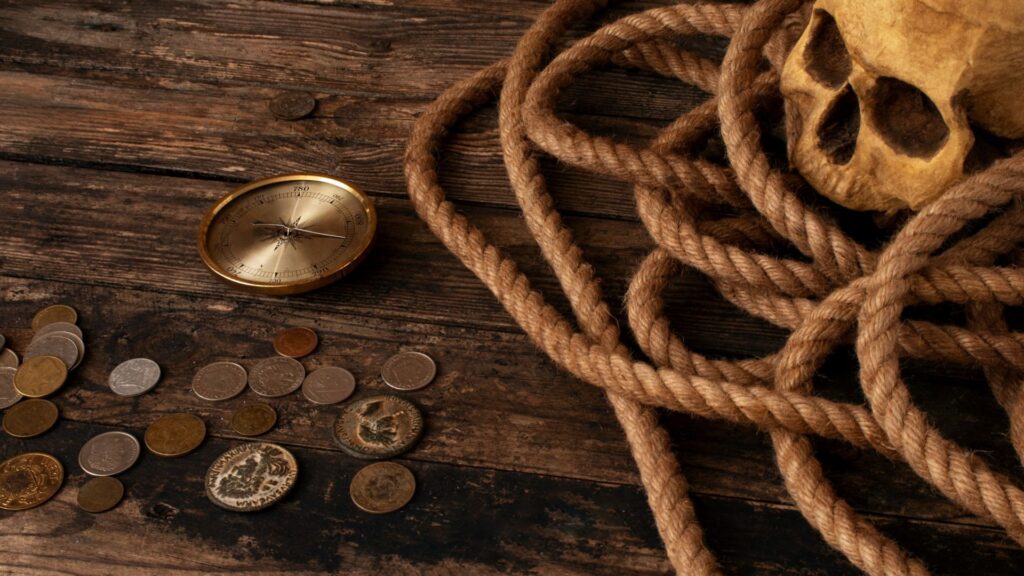
Among the discoveries were silver coins known as reales, the Spanish currency of the time, and five gold escudos, which circulated in both Spain and Portugal. Still encrusted with coral and sand, the pieces will undergo conservation before being studied. Their inscriptions, dates, and mint marks offer scholars a direct connection to the Spanish colonies and the economic power they represented.
The Rarity of Gold at Sea

While silver coins have been found more frequently in past expeditions, gold remains elusive. According to divers, locating even a handful of gold coins is cause for celebration. This year’s recovery included two large 1714 Mexico 8 escudos, an especially rare find among the thousands of silver pieces documented so far. These discoveries hint that much more treasure may still lie undiscovered along the Treasure Coast.
From Ocean Depths to Museum Displays

The recovered coins will not remain hidden away. Plans are underway to display selected pieces in local museums, allowing the public to experience firsthand the history once trapped beneath the sea. For divers and historians alike, each artifact is more than a relic, it is a fragment of human history, a reminder of ambition, tragedy, and the enduring mysteries of the deep.
PetsFanatic Team
Pet Care Expert & Content Creator
Passionate about sharing knowledge and tips for better pet care. Writing about everything from pet health to training techniques.