
‘Disturbing’ Nostradamus Prediction for 2026 Begins With the Assassination of a “Great Man”

As 2026 unfolds, an old name resurfaces with chilling relevance. Nostradamus, the 16th-century prophet who allegedly foresaw plagues, wars, and global disasters, left cryptic verses about this year. His predictions speak of lightning strikes, swarms of bees, and rivers of blood—imagery that feels uncomfortably familiar in our turbulent times.
The Man Behind the Mystique

Michel de Nostredame lived through a tragedy that shaped his dark worldview. After losing his wife and children to plague, the French physician turned to prophecy. His 1555 book, Les Prophéties, contains 942 quatrains predicting future events. Though vague, his verses have been linked to Hitler’s rise, 9/11, and COVID-19, cementing his reputation as history’s most famous seer.
The Method Behind the Madness

Nostradamus never wrote predictions for specific years. Instead, believers examine quatrains numbered 26 to divine what 2026 holds. This numerological approach adds another layer of interpretation to already cryptic verses. Critics argue this flexibility allows any event to retroactively fit his prophecies. Yet millions still turn to his words when uncertainty looms, searching for warnings in ancient riddles.
1. Thunder from the Heavens

Century I, verse 26 reads: “The great man will be struck down in the day by a thunderbolt.” Interpreters see this as the assassination of a prominent political figure or leader. Some suggest it references directed energy weapons, which to a 16th-century mind might resemble lightning.
2. Blood in Switzerland

In quatrain II:26, Nostradamus writes: “Because of the favour that the city will show, the Ticino will overflow with blood.” This Italian-speaking Swiss region seems an unlikely setting for violence. However, some interpret this differently—as a surge in stem cell preservation. Since 2025, umbilical cord blood from Ticino mothers can be stored for medical use, representing life-giving blood rather than being spilled.
3. Naval Conflict Brewing

Quatrain VII:26 warns: “Foists and galleys around seven ships, a mortal war will be let loose.” Foists were lightweight sailing vessels; galleys used oars. This nautical imagery points toward a maritime flashpoint. Experts believe this references the South China Sea, where seven nations—China, Taiwan, Vietnam, Malaysia, Brunei, Indonesia, and the Philippines—contest territorial waters. China’s aggressive expansion makes this prediction unsettlingly relevant.
4. The Swarm Rises

Quatrain I:26 states: “The great swarm of bees will arise…by night the ambush.” Some interpret this literally, noting the 2020 invasion of Japanese murder hornets, which devastated bee populations before being eradicated. Others see bees as a metaphor, a hive mind representing fascist ideologies or coordinated drone attacks. Either interpretation suggests something menacing taking flight in the darkness.
When Metaphor Meets Reality

Nostradamus’ language deliberately obscures meaning. He used multilingual wordplay and symbolism to avoid church persecution. This coded approach means his quatrains remain maddeningly open to interpretation. A thunderbolt could be lightning, a laser weapon, or political upheaval. Blood might mean violence or medical innovation. This ambiguity explains both his enduring appeal and persistent criticism—he’s specific enough to intrigue, vague enough to apply broadly.
5. Golden Idols and False Kings

Century III:26 warns: “They will prepare idols of kings and princes.” This prediction gained traction after golden statues of Donald Trump appeared at political events. One fiberglass statue graced a 2021 conservative conference; another 12-foot colossus held Bitcoin on the National Mall in 2025. The biblical echo is intentional—ancient Israelites regretted worshiping their golden calf. A new dollar coin featuring Trump’s face on both sides intensifies this comparison.
6. The Slavish People Rise
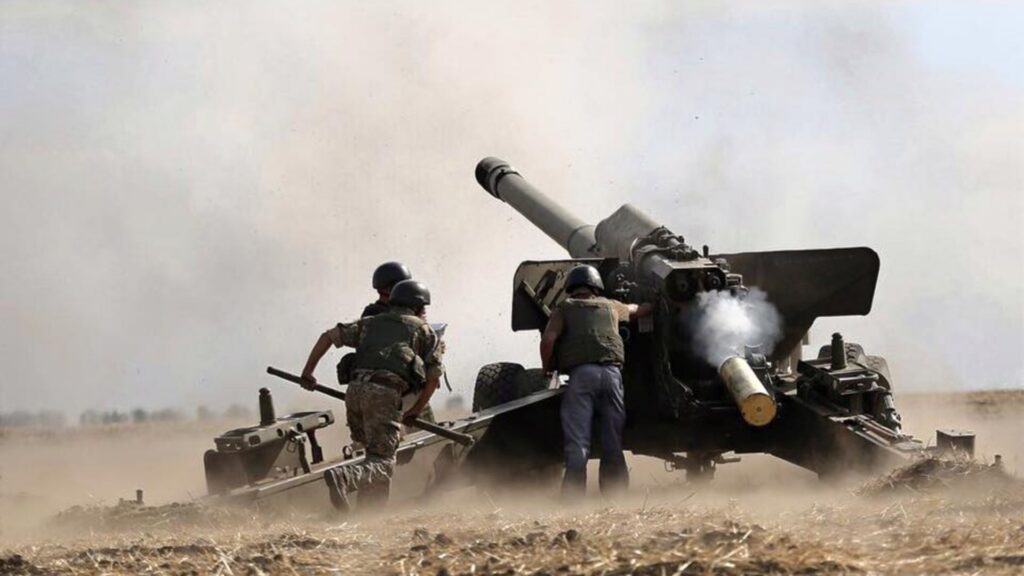
Century V:26 predicts: “The slavish people through luck and war will become elevated to a very high degree.” The word slave etymologically connects to Slavic peoples, historically targeted by traders. This prediction might reference the Russia-Ukraine conflict, where both nations are ethnically Slavic. Alternatively, it could point to simmering tensions in the Balkans, where Serbia and its neighbors remain locked in post-Yugoslav disputes waiting to reignite.
The Ukraine Connection

Interpreters link several 2026 prophecies to the ongoing Russia-Ukraine war. One verse mentions exhausted armies without money for soldiers. Another speaks of seven months of great war involving obstinate leaders. President Zelenskyy’s resistance and Putin’s aggression fit this narrative. Trump’s promised peace negotiations add another layer. Whether Nostradamus foresaw this specific conflict or whether we’re projecting current events onto ancient verse remains a hotly debated question.
7. Pestilence Returns

Nostradamus mentions pestilence in Tuscany. While vague, some link this to the Toscana virus, spread by sandflies in Mediterranean countries. The virus causes occasional fatal meningitis and appears to be expanding into new territories due to climate change. Infected sandflies could potentially travel internationally via aircraft, creating what epidemiologists call airport malaria—diseases transported by hitchhiking insects. A medieval plague warning might foretell modern pandemic pathways.
8. Ancient Bones Discovered

Century VIII:26 reads: “The bones of Ko found in Barcelona, placed, discovered, the site found again and ruined.” Ko could reference ancient Roman statesmen or, more creatively, KO Networks, an Israeli cybersecurity company. Could a Barcelona-based hacker breach Israeli tech infrastructure? Or will an archaeological discovery of Roman remains somehow lead to site destruction? This prediction showcases how interpretation depends entirely on perspective—literal versus metaphorical readings produce different scenarios.
9. Royal Crypts Unsealed

When adding 2026’s digits to equal 10, Century 1:10 emerges: “A coffin is put into the vault of iron where seven children of the king are held. The ancestors and forebears will come forth from the depths of hell.” The Habsburg crypt in Vienna, filled with Europe’s forgotten empire and recently declared full, fits eerily. Whether this predicts actual undead royalty or symbolic political resurrection, the imagery of ancestors lamenting their dead line captivates believers.
10. Bloodlines of Tyranny

Century 10:10 describes someone “stained with murder and enormous adulteries, great enemy of the entire human race. One who will be worse than his grandfathers, uncles, or fathers.” This prediction highlights hereditary dictatorships where power passes through family lines. North Korea’s Kim dynasty, Equatorial Guinea’s Obiang family, and Syria’s deposed Assads all feature murderous nepotism. Will one of these dynasties rock the world order in 2026? The prediction’s flexibility ensures it could apply to many scenarios.
The Pattern Recognition Problem

Nostradamus’ enduring appeal stems from psychological patterns in how humans process information. We’re wired to find meaning in randomness, especially during uncertain times. His quatrains function like inkblots, vague enough that we project our contemporary anxieties onto them. When predictions seem accurate, we remember; when they fail, we forget or reinterpret. This confirmation bias explains why every generation finds relevance in verses written centuries ago.
Technology He Couldn’t Name

Some argue that Nostradamus couldn’t describe future technology, so he used available vocabulary. Lightning might describe lasers or electromagnetic weapons. Bees could represent drones—both swarm and buzz. This interpretation assumes his visions were accurate, but his language was limited. It’s compelling reasoning that makes ancient prophecy feel technologically current. Yet it also demonstrates how readily we reshape historical text to match modern reality, rather than letting predictions stand on their own.
Why We Still Listen

Nostradamus thrives because we crave certainty in chaotic times. His prophecies offer the illusion of foreknowledge, suggesting disasters aren’t random but predetermined. This brings strange comfort—if events were always destined, perhaps we can prepare or find meaning. Yet his vagueness proves problematic. Critics note that undated, cryptic verses applicable to countless situations aren’t prophecies but poetry. Still, each generation rediscovers him, searching ancient riddles for modern answers.
The Verdict on Visions

How seriously should we take Nostradamus’ 2026 predictions? His track record proves mixed at best. While some quatrains eerily match historical events, many more miss entirely. He predicted the world ending in 2025… clearly incorrect. Yet specific imagery about bees, lightning, and naval conflict resonates with current global tensions. Perhaps the truth lies between dismissal and devotion. His prophecies work better as mirrors reflecting our present fears than windows revealing our actual future.
Reading the Signs

Whether Nostradamus possessed genuine prophetic vision or simply crafted flexible poetry remains eternally debatable. What’s certain is that 2026 brings its own authentic challenges requiring no mystical interpretation: climate change, geopolitical tensions, and technological disruption. Rather than seeking answers in 16th-century quatrains, perhaps we should focus on the clearly visible problems demanding solutions. After all, the best way to predict the future isn’t prophecy but action.
PetsFanatic Team
Pet Care Expert & Content Creator
Passionate about sharing knowledge and tips for better pet care. Writing about everything from pet health to training techniques.