
Scientists Found a Climate Secret Hidden in Fossilized Dinosaur Teeth

For millions of years, dinosaurs ruled the Earth — and now, their teeth may explain why the planet once burned hotter than we can imagine. Scientists have uncovered chemical fingerprints inside fossilized enamel that reveal a long-lost story about the air they breathed. But the real shock isn’t what these creatures ate; it’s what their teeth say about our own future.
Ancient Teeth with Modern Clues

Fossilized enamel works like a prehistoric time capsule. By examining oxygen and carbon isotopes trapped inside dinosaur teeth, researchers have reconstructed what Earth’s atmosphere was like over 100 million years ago. It’s one of the few surviving records that shows how the planet naturally handled high carbon dioxide, something humanity is now forcing artificially.
A Greenhouse World Beyond Imagination
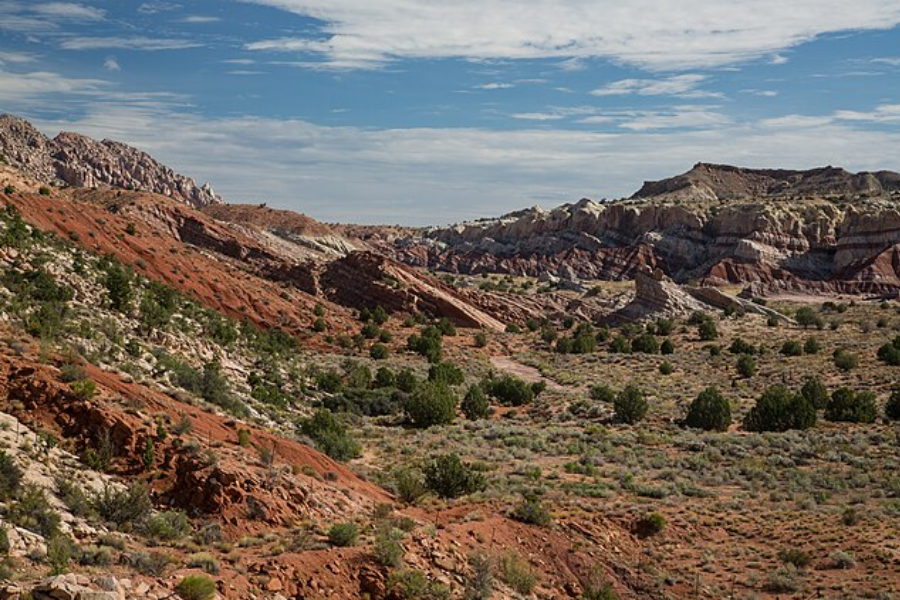
The findings suggest that during the Jurassic and Cretaceous periods, carbon dioxide levels were up to three times higher than today. Earth wasn’t just warm, it was tropical from pole to pole. Lush forests covered regions now frozen in ice. The twist? Despite thriving life, the planet’s climate swung between extremes, hinting at instability beneath the abundance.
How Dinosaurs Adapted to a Carbon-Heavy World

The chemical patterns in these teeth reveal how plants and animals adapted to a CO₂-heavy world. It’s a glimpse into how ecosystems might evolve under modern warming. Unlike humans, dinosaurs lived without artificial controls or mitigation, they adapted or perished. The lesson: life adjusts, but not always fast enough.
Volcanoes: Nature’s Original Polluters

Researchers linked sudden CO₂ spikes to volcanic mega-eruptions such as the Deccan Traps in India. These natural disasters blanketed skies with ash, released massive carbon clouds, and pushed temperatures up within decades; eerily similar to how industrial emissions accelerate warming today. The comparison isn’t perfect, but the warning is clear.
Inside Earth’s Super Greenhouse Era

At its peak, the Mesozoic atmosphere may have been so carbon-dense that air itself behaved differently; thicker, heavier, and more energy-trapping. Scientists call this period a super greenhouse, when photosynthesis boomed and oxygen ratios fluctuated wildly. The question now haunting climatologists: are we headed toward a smaller-scale version of that world?
Reading the Past to Predict the Future

Dinosaur enamel offers data missing from other records like ice cores and sediments. It captures CO₂ from land-based life, the kind of climate archive we can’t get from the ocean. This terrestrial record helps modern models forecast how carbon buildup might affect agriculture, forests, and even air chemistry in the coming centuries.
The Irony of Survival

Despite their colossal size and adaptability, dinosaurs couldn’t outlast rapid global shifts. Some scientists argue their downfall began long before the asteroid; through food chain collapses driven by climate volatility. The lesson feels uncomfortably modern: evolution rewards resilience, but not complacency.
Why Scientists Say This Discovery Feels Urgent Today

The study lands at a tense moment in human history. As carbon emissions hit record highs, fossils are reminding us what unchecked greenhouse levels once did. Unlike the dinosaurs, we know what’s coming, and that’s what makes this revelation sting. The deeper scientists dig, the clearer it becomes: history isn’t just repeating; it’s warning.
The Teeth That Spoke for Earth

What started as a curiosity about dinosaurs has become a mirror for modern climate reckoning. The enamel of creatures that vanished millions of years ago now tells a story of survival, excess, and collapse. It’s proof that even fossils can speak, and their message is simple: Earth remembers everything, even the mistakes we keep making.
PetsFanatic Team
Pet Care Expert & Content Creator
Passionate about sharing knowledge and tips for better pet care. Writing about everything from pet health to training techniques.