
Cyanide Bombs Approved for Animal Control on Public Lands Under Trump Administration

The Trump administration has approved the renewed consideration of M-44 cyanide ejector devices, commonly referred to as “cyanide bombs,” for predator control on certain public lands managed by the Bureau of Land Management. The change follows a memorandum of understanding signed between the Bureau of Land Management and the U.S. Department of Agriculture’s Wildlife Services division in April 2026. The policy reverses a 2023 restriction that had prohibited the use of the devices on BLM-managed land.
M-44 devices are spring-loaded mechanisms designed to eject sodium cyanide when triggered by animals pulling on baited tops. The devices are primarily intended to kill predators such as coyotes and foxes that are considered threats to livestock operations. Federal officials stated that the devices may now be evaluated for use again on a “case-by-case” basis under existing environmental review procedures.
The renewed authorization has generated criticism from wildlife advocacy organizations and environmental groups that oppose the use of lethal predator control devices on public lands. Concerns raised by opponents include accidental harm to pets, non-target wildlife species, and public safety risks associated with sodium cyanide exposure.
Federal Agencies Restore Predator Control Option
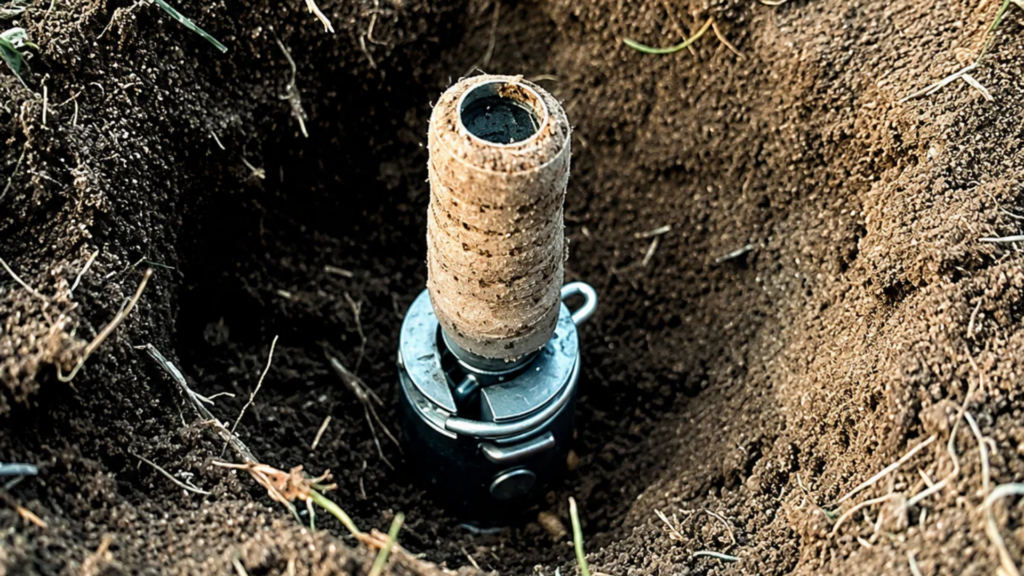
The Bureau of Land Management confirmed that the April 2026 agreement with USDA Wildlife Services restored the possibility of using restricted-use pesticides, including M-44 devices, under current federal law. Agency officials stated that approval for any deployment would still require environmental review and evaluation before use. The memorandum also referenced DRC-1339, another poison used for controlling certain bird species.
Wildlife Services has historically used M-44 devices to reduce predator populations in areas where livestock losses are reported. According to federal records and prior USDA reports, the devices have been used for decades in efforts targeting coyotes and other canid species. The Biden administration restricted their use on BLM land in 2023 following safety concerns and growing opposition from several western states.
Federal officials have not announced a blanket return of the devices across all public lands. Instead, the current policy allows federal land managers to consider their use when evaluating predator control proposals submitted through existing regulatory channels.
Critics Raise Concerns About Safety and Wildlife Impact

Animal welfare groups and conservation advocates have strongly criticized the decision to restore consideration of M-44 devices on federal land. Critics point to documented incidents involving pets, wildlife, and people unintentionally exposed to sodium cyanide released by the devices. One widely cited 2017 incident in Idaho involved a teenager who was injured after triggering an M-44 device that also killed the family’s dog.
Environmental organizations also argue that the devices can affect non-target species, including protected wildlife. Reports cited by advocacy groups state that animals such as wolves, bears, and birds have been unintentionally harmed by predator control operations involving toxic compounds. Critics additionally argue that nonlethal predator management methods should receive greater emphasis in federal wildlife policy.
Supporters of predator control programs, including some livestock industry advocates, maintain that lethal management tools remain necessary in areas experiencing repeated livestock losses from predators. Federal agencies have stated that any approved use of M-44 devices would remain subject to federal oversight and existing environmental review standards.
Public Land Predator Control Debate Returns to National Attention
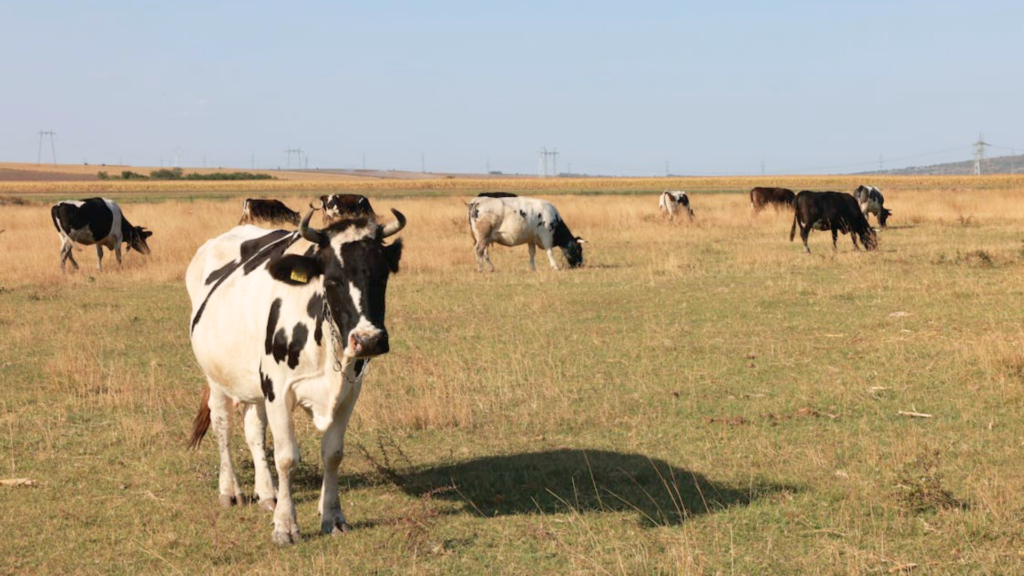
The Trump administration’s decision to allow renewed consideration of M-44 cyanide ejector devices has returned predator control policy to the center of national debate. Federal agencies say the devices may be reviewed for use under existing environmental laws and only through case-by-case evaluations. The policy change follows the removal of a 2023 restriction that had blocked their use on Bureau of Land Management property.
Supporters of predator management programs argue the devices remain one of several tools used to reduce livestock losses in rural areas. Opponents continue to raise concerns about risks to pets, wildlife, and public safety associated with sodium cyanide exposure. The issue remains under close attention from environmental organizations, livestock groups, and federal land management agencies.
PetsFanatic Team
Pet Care Expert & Content Creator
Passionate about sharing knowledge and tips for better pet care. Writing about everything from pet health to training techniques.