
Ranked: 25 Cute But Lethal Wild Animals
Cute doesn’t always mean harmless, especially in the wild. Many of nature’s most adorable animals come with hidden defenses that can catch you off guard if you’re not careful.
Whether it’s venom, aggression, or sheer strength, these creatures are best admired from a safe distance. Here are 25 wild animals that may look innocent but are surprisingly dangerous, ranked from the most lethal to the least.
Blue-Ringed Octopus

Don’t let its golf ball size and glowing blue rings fool you, because this tiny marine creature is one of the deadliest animals in the ocean. Its venom can paralyze and kill an adult human in minutes, and there’s no known antidote.
Despite its danger, it’s not aggressive unless provoked. Since it lives in shallow tidal waters, accidental encounters happen, making awareness key when exploring coastal areas in Australia or Southeast Asia.
Poison Dart Frog

These dazzling little frogs might look like they belong in a tropical terrarium, but their bright colors are actually a warning sign.
Indigenous tribes in South America once used their potent skin toxins on blow darts, hence the name. Just one frog can carry enough poison to kill 10 humans.
Though they’re not aggressive, simply touching one can be risky if the toxin gets into your bloodstream through a cut or mucous membrane.
Pitohui
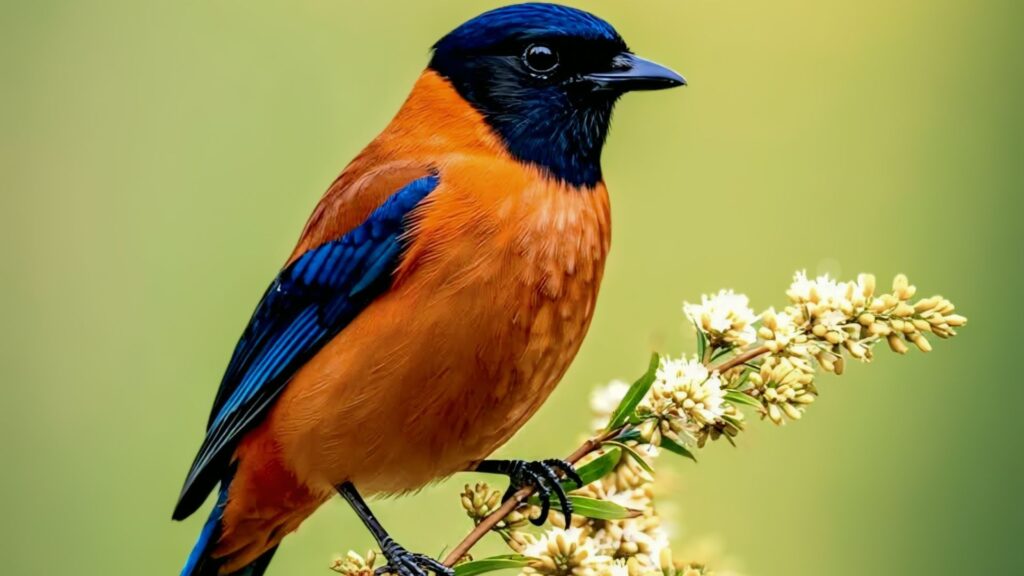
Often called the “toxic bird,” the pitohui is native to Papua New Guinea and is one of the few birds known to be poisonous.
Its feathers and skin carry batrachotoxins, the same compound found in poison dart frogs, which can cause numbness or illness in humans who handle them.
They developed this defense by eating toxic beetles, and while they won’t attack you, it’s best to admire this colorful songbird from a safe distance.
Cassowary

With its striking blue neck and helmet-like casque, the cassowary might look like a prehistoric peacock, but it’s best known as the world’s most dangerous bird.
Native to Australia and New Guinea, this flightless giant can grow over 6 feet tall and deliver slashing kicks with dagger-like claws.
Territorial and easily provoked, cassowary attacks on humans have resulted in serious injuries and even fatalities.
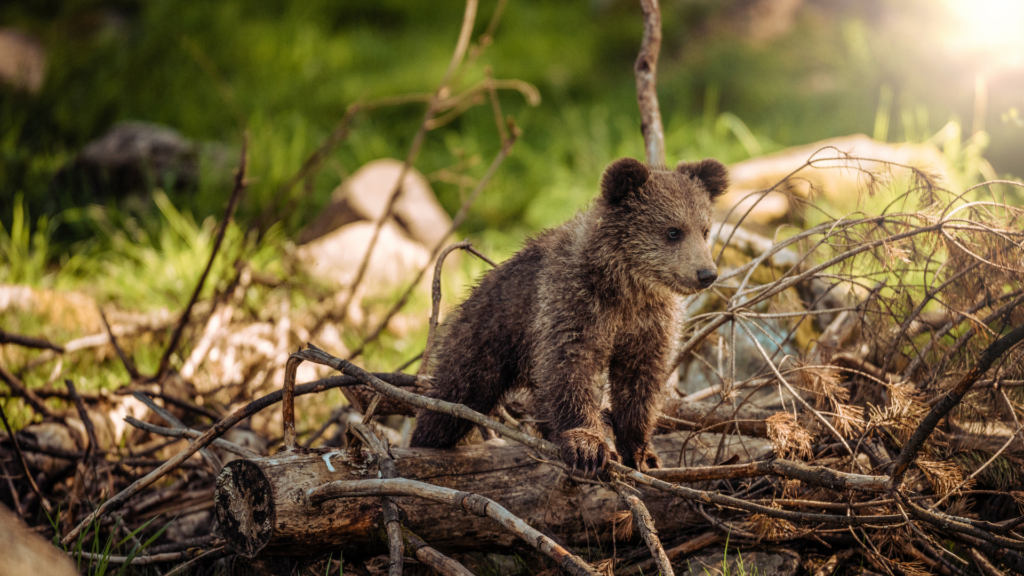
Bear

A while back, social media posed a now-famous question: would women feel safer alone in the woods with a bear or a man? Most women chose the bear, and while that sparked plenty of discussion, it also highlighted how bears are often seen as less threatening, sometimes even cute in viral videos.
But in reality, bears are powerful, fast, and unpredictable. Whether it’s a black, grizzly, or polar bear, they’ve been involved in fatal attacks across various regions. They may attack if they feel startled or threatened, so keeping your distance is always the safest choice.
Hyena

They might have a mischievous grin and a reputation as scavengers, but hyenas are powerful predators, especially when in a pack.
Native to Africa, spotted hyenas have one of the strongest bite forces in the animal kingdom, capable of crushing bones with ease. They’re highly intelligent, socially complex, and not afraid to take on larger animals or humans if food is scarce.
Cute in an oddball way, but not something you’d want to meet alone in the wild.
Sloth Bear

Don’t let the name fool you. Sloth bears are not slow or docile. Native to India and Sri Lanka, they’re known for being unexpectedly aggressive toward humans.
They feed mostly on insects and fruit, but when threatened, they can become dangerously defensive. Their long claws and powerful jaws have made them responsible for numerous attacks and fatalities.
Shaggy fur and teddy bear vibes aside, these bears are best left undisturbed in the wild.
Wolverine

Think of the wolverine as the scrappy underdog of the animal kingdom. Though it resembles a small bear, it’s actually a mustelid (related to weasels), and it’s known for its ferocity.
Wolverines have been documented taking down prey several times their size, including deer. They’re incredibly strong for their size, fiercely territorial, and fearless.
While human encounters are rare, their reputation for aggression makes them a wild card in the wilderness.
Moose
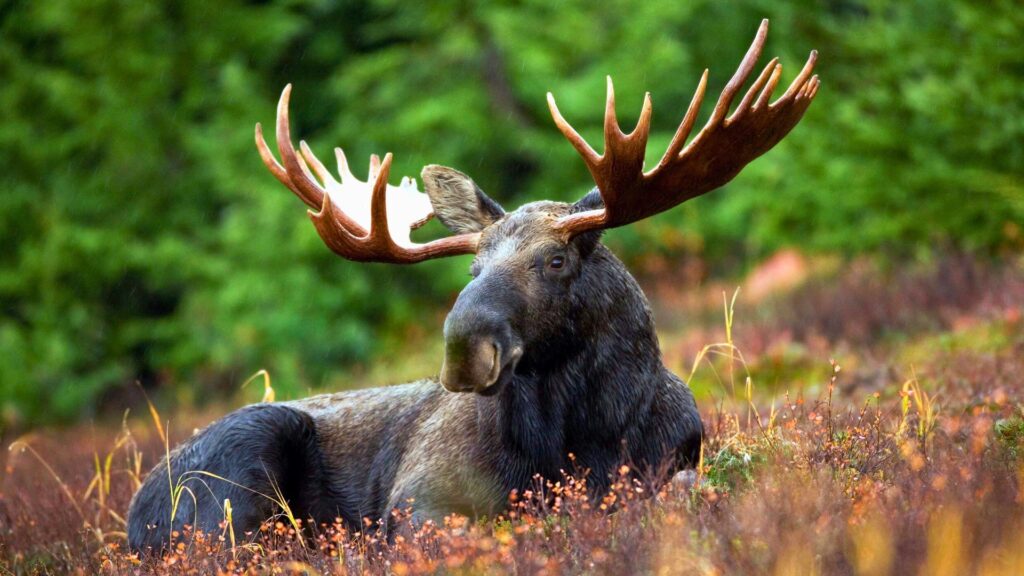
Surprisingly, moose cause more injuries to people each year in some regions than bears do.
These massive herbivores, topping 1,000 pounds, are typically calm, but during mating season or when protecting calves, they can become highly aggressive. They’ve been known to charge cars, hikers, and even snowmobiles.
Their sheer size and unpredictable behavior make them one of the most dangerous animals you wouldn’t expect to fear until it’s too late.
Honey Badger

Feisty and fearless, the honey badger has a don’t-mess-with-me reputation that’s well earned.
Despite their small size, they’re incredibly tough and will square up to lions, leopards, and even humans. Their thick skin and strong jaws make them difficult to kill, and they’re known for their persistence.
Once provoked, honey badgers won’t back down easily. Cute? Kind of. Dangerous? Absolutely.
Leopard Seal

With their sleek bodies and expressive eyes, leopard seals may look almost dog-like in the water, but they’re apex predators of the Antarctic.
They have powerful jaws that can crush bones and razor-sharp teeth for tearing apart prey, including penguins and other seals. While human encounters are rare, they’ve shown aggressive behavior toward divers and researchers.
Leopard seals’ beauty is captivating, but underestimating their strength in the wild could be a fatal mistake.
Platypus

The platypus is the ultimate oddball: a duck-billed, egg-laying mammal that looks like it was stitched together from spare parts.
But here’s what many don’t know—male platypuses have venomous spurs on their hind legs. While not deadly to humans, the venom can cause excruciating pain that lasts for weeks.
This quirky Australian icon may seem harmless, but its defenses are no joke.
Slow Loris

With its huge, round eyes and gentle movements, the slow loris looks like a real-life stuffed animal. But it’s the only venomous primate in the world.
When threatened, it secretes a toxin from glands near its elbows, which it can lick and deliver through a bite. The venom can cause intense pain, swelling, and even anaphylactic shock.
Its cuteness may make it a target for the illegal pet trade, but this little creature is far from cuddly.
Kangaroo

Kangaroos are usually seen bouncing peacefully across the Australian outback, but they’re not to be underestimated.
When threatened, especially males, they can become highly aggressive. Their muscular legs can deliver kicks powerful enough to break bones, and their sharp claws can cause serious injuries. Some encounters with humans have ended in hospital visits or worse.
Kangaroos may look like huggable mascots, but they’re wild animals through and through.
Giant Anteater

Gentle grazers? Not quite. While they mainly feed on ants and termites, giant anteaters have surprisingly dangerous claws that can reach up to four inches long.
If they feel cornered or threatened, they stand upright and strike with powerful swipes, strong enough to kill a jaguar or even a human. Their long snout and shaggy coat might look endearing, but they’re armed and ready when pushed.
Dingo

Dingoes might resemble domestic dogs, but they’re wild animals with instincts to match.
Native to Australia, these canines typically avoid humans, but they’ve been known to attack, especially when provoked or when food is involved. In rare but tragic cases, dingoes have caused fatal injuries.
Their scruffy charm hides a fiercely territorial nature, making them best admired from a safe distance.
Pufferfish

Its puffed-up appearance and cartoonish face may look amusing, but the pufferfish is one of the most poisonous creatures on Earth.
Found mostly in tropical seas, it contains a deadly neurotoxin called tetrodotoxin, stronger than cyanide and with no known antidote. Eating improperly prepared pufferfish, especially in dishes like Japan’s fugu, can result in paralysis and death.
A pufferfish might look harmless, but one wrong bite can be fatal unless expertly prepared.
Bottlenose Dolphin

Known for their intelligence and playful demeanor, bottlenose dolphins have long been favorites in aquariums and wildlife tours. But in the wild, they’re powerful predators with strong jaws and sharp teeth.
There have been documented cases of dolphins exhibiting aggression toward humans and other animals, especially during mating season or in captivity. They’re fascinating and social but not always friendly.
Monkeys

Their expressive faces and playful antics make monkeys seem like the ultimate animal companions. But in the wild, they can be unpredictable and aggressive, especially when they feel threatened or are guarding food.
Bites and scratches from monkeys can transmit serious diseases like rabies or herpes B. Some species, like macaques, are notorious for snatching bags and attacking tourists.
Admire their charm from a distance, and never assume they’re as tame as they look.
Pandas

We’ve all seen videos of pandas clumsily rolling around, munching on bamboo, and generally being adorable. But they’re still bears, and that means serious strength.
With powerful jaws, strong limbs, and sharp teeth, pandas can be surprisingly aggressive when startled or cornered. Zookeepers wear protective gear when interacting with them for a reason.
That cuddly image might be real, but so is the risk if you underestimate them.
Beavers

Their big teeth and cartoon rep may fool you, but beavers are no joke when it comes to defending themselves.
These territorial rodents use those chisel-like incisors for felling trees, and if they feel threatened, they won’t hesitate to use them on intruders. There have been rare but serious injuries from beaver bites, particularly when someone gets too close to their den or kits.
It’s best to admire their engineering skills from afar.
Swan

Graceful on the water and elegant in form, swans are often seen as symbols of beauty and love. But get too close, especially during nesting season, and they’ll turn aggressive fast.
These birds are highly territorial and have been known to chase, hiss, and even beat their wings against people and pets. While injuries are rare, they’re not impossible.
That serene glide across the lake can quickly turn into an angry flap of warning.
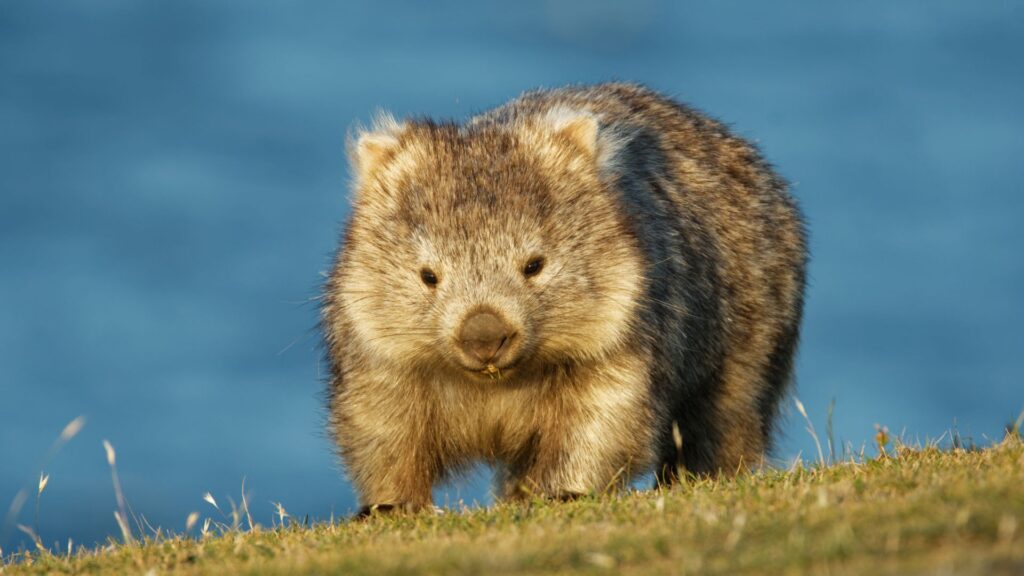
Wombats
Round, fuzzy, and the very image of huggable, wombats seem more stuffed animal than wild creature. But don’t be fooled because their stocky build and strong legs make them surprisingly powerful.
If cornered, wombats can charge and headbutt with enough force to knock down or even break bones. They’re usually shy and nocturnal, but if one feels threatened or startled, you’ll quickly learn why they’re better left undisturbed in the wild.
African Crested Rat or Maned Rat

It looks like a fluffy rabbit-sized rodent with a cool mohawk, but this animal is packing a secret weapon.
The African crested rat chews on the bark of the highly toxic Acokanthera tree and then spreads the poison onto its fur as a defense. Predators that so much as lick it can die from cardiac arrest.
Its strategy is rare in mammals, a reminder that even the fluffiest creatures can be deadly.
African Elephant Calf

Few sights are as endearing as a baby elephant exploring the world with wide eyes and wobbly steps. But those tender moments come with a huge warning: never get too close.
Adult elephants, especially mothers, are famously protective and can become aggressive without warning if they sense a threat.
Elephants are responsible for more human deaths in Africa each year than lions or leopards. That sweet calf? Just a small part of a very powerful herd.
Sweet Faces, Serious Danger
It’s easy to be lured in by a cute face, but when it comes to wild animals, looks can be dangerously deceiving. Many of these creatures don’t seek conflict. But if they feel threatened, they won’t hesitate to defend themselves.
That’s why it’s crucial to admire wildlife respectfully and from a safe distance. Understanding our limits and giving these animals space protects not only us, but also their natural peace. Curiosity is fine—just don’t mistake charm for harmlessness.
PetsFanatic Team
Pet Care Expert & Content Creator
Passionate about sharing knowledge and tips for better pet care. Writing about everything from pet health to training techniques.