
Critics Slam ‘Violent and Ugly’ Plan to Deal with Invasive Species on a Popular California Island

California wildlife officials approved a contested plan to eliminate Santa Catalina Island’s entire mule deer population over the next five years. The California Department of Fish and Wildlife issued a restoration management permit to the Catalina Island Conservancy on January 26, allowing ground-based sharpshooters to kill roughly 2,000 invasive deer. The decision has divided residents and conservationists, with nearly 23,000 people signing an online petition opposing what opponents describe as a cruel slaughter of animals that have lived on the island for nearly a century.
Opponents Described Aerial Shooting Proposal as ‘Violent and Ugly’

Initial plans to use helicopter-mounted sharpshooters drew intense public backlash from opponents who described the proposal as a “violent and ugly” slaughter, with concerns about “bullets raining down” on the island. Since October 2023, the Conservancy received substantial community opposition to aerial shooting methods. In response, officials removed that approach and shifted to ground-based specialists using rifles in controlled operations under strict safety protocols. Only trained professionals will conduct lethal removal over multiple years.
The Deer Were Introduced in the Late 1920s to Create Hunting Opportunities
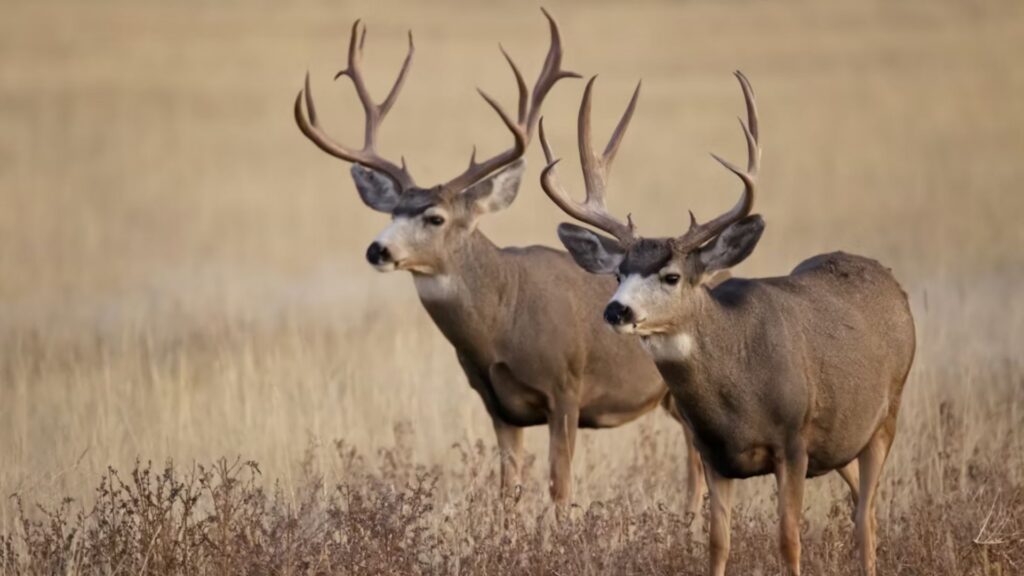
Mule deer are not native to Santa Catalina Island. They were deliberately introduced in the late 1920s to establish a huntable population for recreational purposes. Without natural predators on the 48,000-acre island, their numbers have fluctuated wildly between 500 and 1,800 individuals over the years, experiencing extreme boom and bust cycles. The current population stands at more than 2,000 deer. What began as a hunting amenity has become what conservationists now call an ecological crisis threatening the island’s native ecosystems.
Native Plants Have No Defense Against Heavy Deer Browsing
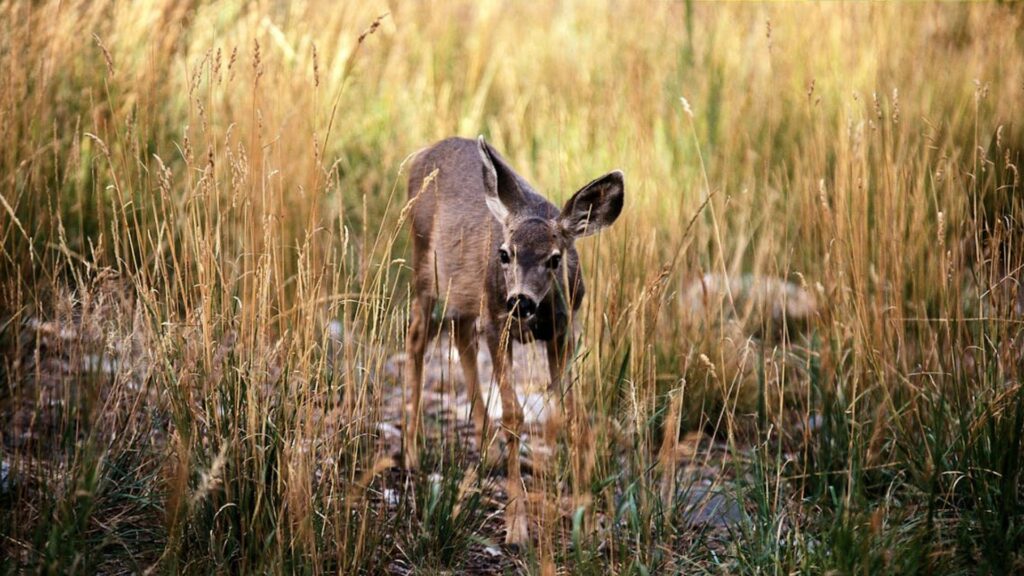
Santa Catalina’s native flora evolved without mule deer, leading plants to develop few defenses against intensive grazing pressure. The deer severely overbrowse native vegetation and consume seedlings before they can re-establish, according to the Conservancy. This relentless feeding has allowed non-native, highly flammable annual grasses to colonize areas once populated with native shrubs and chaparral. Today, invasive grasslands make up roughly 35% of the island’s landscape, creating conditions that fuel a dangerous fire cycle researchers documented after the 2007 Island Fire.
The Deer Amplify Wildfire Risk in a High-Hazard Zone

CAL FIRE designates Catalina Island as a Very High Fire Hazard Severity Zone, its highest risk category, as per the Catalina Island Conservancy. The deer accelerate fire danger by grazing down native seedlings that would otherwise help resist burns, clearing the way for fast-spreading invasive grasses to dominate. These dry, flammable fuels lead to hotter and more frequent fires, which then allow even more invasive species to take hold. This self-reinforcing pattern creates what ecologists call a positive feedback loop that becomes increasingly difficult to break over time.
Recreational Hunting Has Failed to Control Population Growth

The Conservancy has hosted California’s longest hunting season for over 40 years. In 2024 alone, officials issued 754 hunting tags, yet only 379 deer were harvested at a financial loss exceeding $250,000, with increased safety concerns as more hunters spread across the landscape. Deer populations often respond to hunting pressure with increased birth and survival rates, making it difficult to reduce overall numbers through recreational hunting alone. The latest survey shows approximately 2,165 individuals, the most since 2016, despite decades of hunting efforts.
Other Management Options Were Deemed Impractical or Inhumane

California Department of Fish and Wildlife Director Chuck Bonham stated during a June 19, 2024, Fish and Game Commission meeting that relocation, contraception, and introducing predators would not be feasible. Relocating island deer poses disease-transmission risks and often proves fatal, with 85% of deer relocated from Angel Island in the San Francisco Bay area during the 1980s dying within the first year. Delivering contraceptives to more than 2,000 deer across rugged terrain is logistically impossible, while fencing 48,000 acres would be impractical and require constant repairs.
Shooters Will Use Dogs, Drones, and Bait to Locate Remaining Deer

The permit allows hired shooters to fire at night outside Avalon, the island’s only incorporated city, and use helicopters and drones to help locate deer across challenging terrain. As deer numbers dwindle, detection dogs trained to smell deer scent will help specialists find stragglers. Shooters will kill deer over bait in controlled operations. The permit also allows officials to capture deer using aerial netting, sterilize them, fit them with GPS collars, and release these sentinel animals to help locate any other deer still on the island.
Meat Will Feed Endangered California Condors and Tribal Partners

Under the multi-decade initiative dubbed Operation Protect Catalina Island, harvested deer will provide meat for the California Condor Recovery Program, offering a natural food source for these endangered birds. Carcasses near roads, trails, or public areas will be removed, while those in remote hills will decompose naturally. Meat will also be provided to tribal partners. The Conservancy plans to simultaneously replant native, fire-resistant vegetation to restore habitats for endangered species, including the Catalina Island fox.
Local Supervisor Says Deer Have Become Part of the Island’s Identity

The plan has deeply divided the community. Los Angeles County Supervisor Janice Hahn wrote in a recent letter to California wildlife officials that mule deer have been part of Catalina’s landscape for nearly a century, and their presence has become an important part of the island’s identity. “This plan disregards the deeply held values of many Catalina residents and visitors,” Hahn wrote. “I continue to hear from my constituents who have lived on the island for decades and have come to cherish these deer.”
PetsFanatic Team
Pet Care Expert & Content Creator
Passionate about sharing knowledge and tips for better pet care. Writing about everything from pet health to training techniques.