
Critically Endangered Cat With Fewer Than 250 Left in the Wild Rediscovered on Trail Camera After Years of Vanishing

For years, conservationists feared the Arabian caracal had quietly slipped closer to extinction. Sightings were rare, and confirmed records were even rarer. In parts of the Arabian Peninsula, the sleek wild cat seemed to have vanished from landscapes it once roamed.
Then, in October 2025, a motion-sensor camera captured clear footages of the Arabian caracal in Wadi Wurayah National Park in Fujairah. The species is listed as Critically Endangered on the UAE National Red List, and officials estimate that likely fewer than 250 mature individuals survive in the wild.
The rediscovery has sparked cautious optimism among conservationists. At the same time, experts stress that a single confirmed sighting does not guarantee recovery. It does, however, provide fresh data and a renewed reason to protect what remains.
A Rare Glimpse in a Protected Landscape

The caracal was photographed through the Notice Nature wildlife mapping initiative, a partnership involving the Fujairah Environment Authority and Emirates Nature-WWF. Motion-sensor trail cameras installed across the park captured the elusive cat moving through mountainous terrain.
This sighting builds on earlier confirmed records in 2019 and 2023, after years without documentation. Each rediscovery has added to the understanding of where the species still survives and how it uses protected habitats.
Dr. Ali Hassan Alhamoudi of the Fujairah Environment Authority called the moment “a powerful reminder of the park’s role as a refuge for rare and threatened species”. The park’s long-term, science-based monitoring efforts have helped maintain critical habitat in a region where development pressures remain high.
A Predator Under Pressure

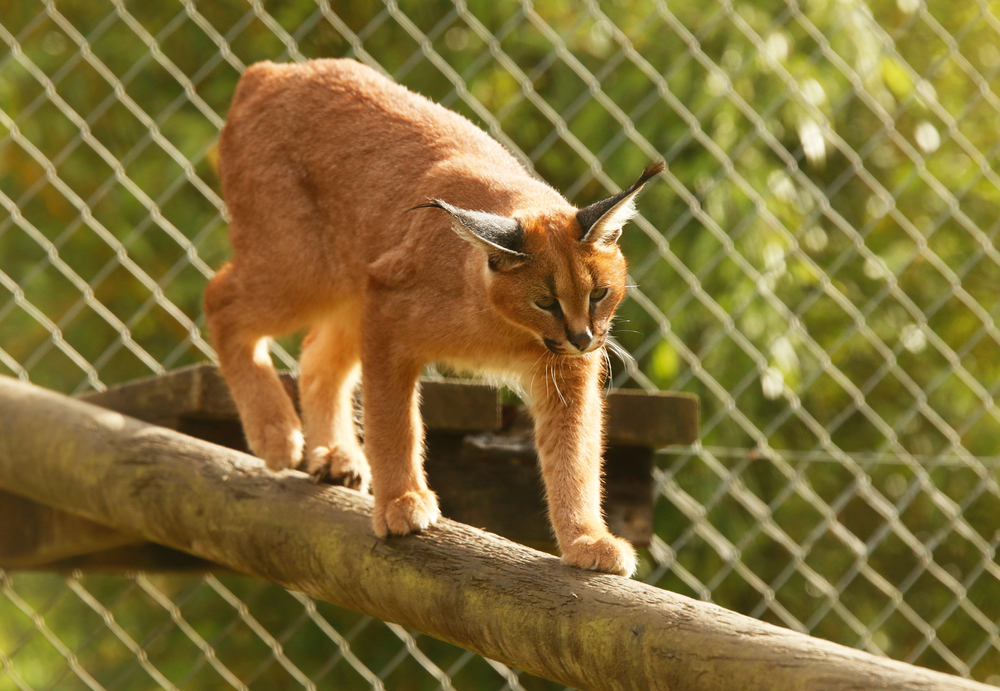
The caracal is a medium-sized wild cat with a reddish-brown coat, long legs, and distinctive black ear tufts. It is typically solitary and mostly nocturnal, preying on birds and small to medium-sized mammals
Across Africa and parts of Asia, the species is classified globally as Least Concern. Regional populations tell a different story. On the Arabian Peninsula, caracals have become increasingly rare, with illegal hunting and habitat destruction listed among key threats. In the UAE, the population is considered critically endangered, with estimates suggesting fewer than 250 mature individuals remain.
As an apex predator, the caracal plays an important role in regulating prey populations and maintaining balance in mountain ecosystems. When predator numbers decline, ecological systems can shift in ways that are difficult to reverse. That makes each confirmed sighting significant beyond the individual animal itself.
The Role and Limits of Camera Technology
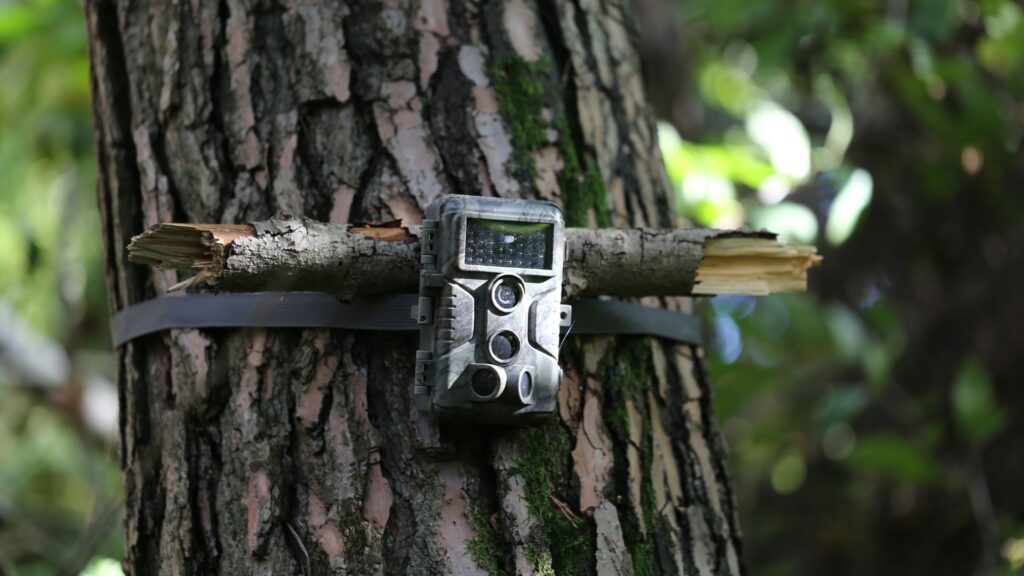
The rediscovery was made possible by motion-sensor trail cameras that operate day and night using infrared light. These systems allow researchers to monitor wildlife without physically capturing or handling animals.
Camera traps have become widely used in conservation research over the past two decades. They are often described as non-invasive alternatives to methods such as collaring or direct observation. However, recent research suggests the technology may still influence animal behavior.
A 2025 rapid systematic review published in Animal Welfare found that 76% of camera-trap studies did not discuss potential impacts on wildlife welfare. Evidence shows that light, sound, and even human scent around equipment can affect behavior in some species. Researchers increasingly emphasize the importance of accounting for these factors when interpreting data.
A Second Chance But No Guarantees
Conservation leaders describe the rediscovery as hopeful but fragile. Dr. Andrew Gardner of Emirates Nature-WWF said the sighting offers “a rare second chance,” while cautioning that “a single record is fragile evidence, not a guarantee of long-term recovery”.
The finding validates years of habitat protection and monitoring, but it also underscores how vulnerable the remaining population may be. With likely fewer than 250 mature individuals left, even small losses could have long-term consequences.
Officials are now encouraging broader public involvement. The Notice Nature initiative has mobilized thousands of citizen scientists to help install and maintain cameras and contribute wildlife observations. For the Arabian caracal, long-term survival will depend on sustained habitat protection, careful monitoring, and coordinated conservation action across the region.
PetsFanatic Team
Pet Care Expert & Content Creator
Passionate about sharing knowledge and tips for better pet care. Writing about everything from pet health to training techniques.