
How a Coyote Pulled Off an Unlikely Swim to Alcatraz
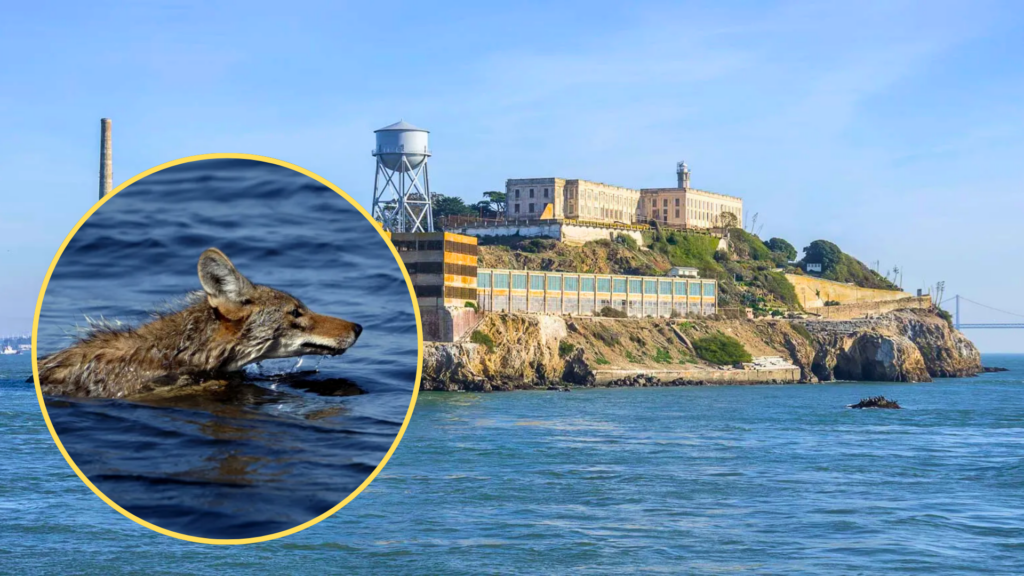
In a feat of survival that has stunned San Francisco, a lone coyote has completed a mile-long swim across the Bay to break into Alcatraz. While thousands of prisoners once dreamed of escaping the Rock, this apex predator did the unthinkable by paddling toward it. The animal was first spotted earlier this month dragging its shivering, exhausted frame onto the jagged shoreline. What started as a viral video of a struggling survivor has quickly turned into a fascinating study of opportunistic nature, as the coyote has traded the city streets for a private island paradise.
The coyote is the first of its species to reside on the island since it was transferred to the National Park Service in 1972. National Parks officials were initially concerned about the animal’s survival in such an isolated, rocky environment. However, those fears were quickly replaced by awe as the coyote began to adapt with incredible efficiency. In just two weeks, the animal has undergone a visible physical transformation that experts describe as almost unbelievable. It has managed to do what the federal government spent decades attempting, which is making a significant dent in the local bird population.
What makes this swim so impressive are the legendary riptides and frigid temperatures that once made Alcatraz the most secure prison in America. Biologists believe the coyote was driven by an intense hunger that outweighed its fear of the open water. Now that it has arrived, it has found a buffet that isn’t nailed down. The shivering skeleton that arrived on the island has been replaced by a well-fed predator that seems to have no intention of leaving its new kingdom.
From Shivering Stray to The Rock’s New King

The coyote has established its primary territory near the island’s old parade grounds, which is a prime location for harvesting seabirds from their nests. Janet Kessler, a naturalist who monitors the city’s urban coyotes, confirmed the animal’s success after capturing photographs of the predator sunbathing. The images taken on January 24th show a coyote that is visibly fatter and healthier than the one that first arrived. It has spent the last fourteen days systematically hunting the thriving seabird colony, leaving carcasses scattered across the historic facility as evidence of its prowess.
Biologists are currently monitoring the animal to assess the long-term impact on the breeding birds. The island is a critical sanctuary for various species, and the introduction of a land predator could throw the delicate ecosystem into chaos. However, catching the animal is a logistical nightmare. The coyote has already demonstrated that it is willing to swim a mile to find a better life, making it a difficult target for standard relocation efforts. For now, the National Parks Service is forced to watch as the coyote lives out a high-protein dream in a place once defined by human misery.
The physical evidence of the coyote’s health is a testament to the abundance of the island. Without competition from other large predators or the dangers of city traffic, the animal has found a sanctuary. It spends its days alternating between high-intensity hunting and resting in the sun. This marks the first recorded instance in history where an individual voluntarily entered Alcatraz and emerged in significantly better physical condition than when they started.
An Uninvited Guest Disrupts a Decades-Old Sanctuary

The presence of a predator on the Rock marks a massive pivot for the island’s management. For over fifty years, the site has functioned as a predictable tourist destination and a haven for nesting gulls. The coyote’s arrival has introduced a layer of conflict that the Park Service was not prepared to handle. While some naturalists argue that the coyote is simply fulfilling its role in the food chain, bird advocates are concerned that rare species could be wiped out if the animal stays. This unexpected arrival reflects a broader pattern of wildlife reclaiming urban spaces in the 2026 landscape.
Kessler has urged rangers to adopt a hands-off policy, arguing that relocation is detrimental to the animal’s mental and physical health. She believes the coyote should be allowed to live the life it has chosen after expending such a massive amount of effort to reach the island. This sentiment has sparked a debate among San Franciscans about how much we should interfere with nature. However, the hands-off approach has a dark history on Alcatraz, as park officials are wary of repeating the mistakes of the past when inmates used a lack of oversight to build rafts out of raincoats.
Widen the scope, and the impact on the local ecosystem becomes even more complex. The coyote is technically managing an invasive bird population, but it is doing so without a permit or a plan. If more coyotes follow its lead, the island could shift from a bird sanctuary to a predator outpost. This creates a worry for officials who must balance the preservation of historic sites with the unpredictable movements of urban wildlife. The coyote has effectively turned a National Landmark into its own private hunting club.
Relocation or Residency: The Future of the Island’s Lone Ranger

The National Parks Service is now facing a decision that could set a precedent for years to come. Do they allow the coyote to remain as a permanent resident, or do they attempt a high-risk extraction from the island’s treacherous terrain? For now, the animal remains unnamed because officials cannot agree on a naming protocol for uninvited apex predators. The coyote seems completely unbothered by the debate, continuing to feast on birds and enjoy the panoramic views of the San Francisco skyline.
The return to urgency is felt by the biologists who see the bird breeding season quickly approaching. Every day the coyote stays is another day the local colony is at risk. Yet, there is a sense of public admiration for the animal’s survival skills. It has become a symbol of resilience in a city that is often seen as being at odds with its natural surroundings. The coyote’s journey proves that even the most secure boundaries can be breached by a determined individual with enough hunger and a willingness to swim.
The coyote of Alcatraz provides a powerful reminder that nature always finds a way. Whether it is a prisoner or a predator, the Rock continues to be a place where the struggle for survival plays out in dramatic fashion. As the animal continues to thrive on its bird-heavy diet, it leaves the federal government with a difficult question. In the end, we may have to accept that the coyote has earned its place on the island through sheer grit and a mile of cold water.
PetsFanatic Team
Pet Care Expert & Content Creator
Passionate about sharing knowledge and tips for better pet care. Writing about everything from pet health to training techniques.