
Court Allows Alaska Wildlife Agents to Cull Bears From Helicopters After Judge’s Ruling

An Alaska judge has ruled that state wildlife agents can continue killing black and brown bears from helicopters as part of a controversial predator control program designed to protect the declining Mulchatna caribou herd. The decision allows the state to resume aerial culling efforts during the critical calving season, when newborn caribou are especially vulnerable to predators. The ruling has reignited debate between wildlife officials and conservation groups over predator management in Alaska.
The Mulchatna caribou herd once numbered close to 190,000 animals in the late 1990s but has sharply declined over the past two decades. State wildlife officials estimate the herd population dropped to around 13,000 in 2019 before showing slight improvement in recent years. Hunting of the herd has been suspended since 2021 because of the severe decline.
Alaska officials argue that reducing predator populations, particularly bears and wolves, is necessary to help the caribou recover and preserve an important food source for Alaska Native communities. Conservation groups, however, strongly oppose the practice and question whether the program is scientifically justified.
Judge Allows Predator Control Program to Continue
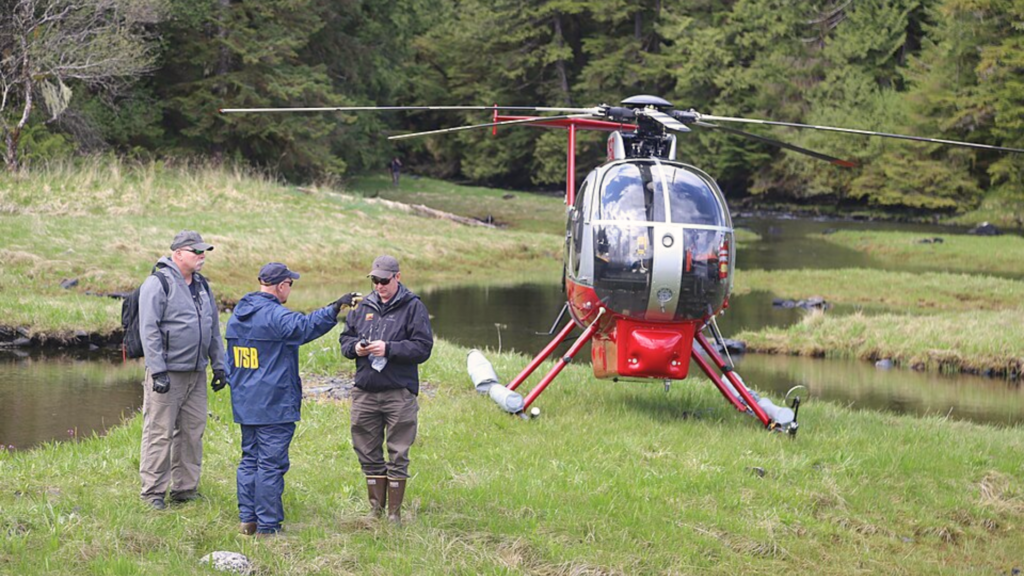
Superior Court Judge Adolf Zeman ruled that conservation groups failed to prove the state lacked a reasonable basis for approving the predator control plan. The ruling clears the way for wildlife agents to continue aerial killings of black and brown bears during the caribou calving season. State officials say timing is critical because newborn calves are highly susceptible to predation.
According to court filings, Alaska killed approximately 180 bears between 2023 and 2024 under the predator management effort, most of them brown bears. Reports also indicate that at least 11 more bears were killed last year as the program continued.
State attorneys argued that wildlife officials carefully reviewed available scientific data before reauthorizing the program. Officials also claim the caribou herd has shown signs of modest improvement since predator removals began during previous calving seasons.
Conservation Groups Condemn the Bear Culling Program

Conservation organizations including the Alaska Wildlife Alliance and the Center for Biological Diversity strongly criticized the court’s decision. The groups argue that Alaska reauthorized the predator control program without sufficient data on bear population sustainability or long-term ecological impacts.
Critics also dispute the state’s claim that bear predation is the primary reason for the Mulchatna caribou herd decline. Some conservation advocates argue that habitat conditions, environmental changes, and other ecological factors may play a larger role in the herd’s struggles.
Wildlife advocates say aerial killing programs remain deeply controversial because of ethical concerns and questions surrounding scientific effectiveness. Attorneys representing the conservation groups said they are reviewing the ruling and considering additional legal action.
Alaska Predator Control Debate Continues After Court Ruling

The court ruling allowing Alaska wildlife agents to kill bears from helicopters has intensified an already divisive debate over predator control and conservation policy. State officials believe the program is necessary to help restore the struggling Mulchatna caribou herd and protect an important subsistence resource. Conservation groups, however, continue to question both the science and ethics behind the effort.
Supporters of the program argue that predator reduction can improve calf survival rates during vulnerable periods of the year. Opponents warn that large-scale bear removals could create unintended ecological consequences and may not solve the deeper causes of the herd’s decline. The disagreement reflects broader tensions over how wildlife populations should be managed in Alaska.
Ultimately, the case highlights the difficult balance between protecting declining prey populations and preserving predator species within fragile ecosystems.
PetsFanatic Team
Pet Care Expert & Content Creator
Passionate about sharing knowledge and tips for better pet care. Writing about everything from pet health to training techniques.