
Controversial Plan to Reintroduce Endangered Jaguars to the Southwest Is Denied

A bold and controversial proposal to reintroduce endangered jaguars to the American Southwest has been officially rejected by federal officials, sparking frustration among conservation groups and wildlife advocates. The plan aimed to bring the iconic big cats back to parts of their historic U.S. range, particularly in New Mexico, but regulators ultimately determined it was not necessary for the species’ recovery. The decision has ignited debate over conservation priorities, habitat restoration, and whether the U.S. is doing enough to protect one of North America’s most elusive predators.
What the Proposal Was Trying to Do

The proposal, submitted by conservation groups, called for the reintroduction of jaguars into the Gila National Forest in New Mexico as part of a broader effort to rebuild a breeding population in the United States. Advocates argued that the region contains suitable habitat and could support a stable jaguar population if properly managed. The plan was intended to create an “experimental population” that could help restore the species to its historic range.
Why Federal Officials Denied the Plan

The U.S. Fish and Wildlife Service rejected the proposal, stating that jaguar recovery could be achieved without reintroducing the animals into the Gila National Forest. Officials argued that existing conservation efforts, particularly those focused on habitat protection and cross-border populations, were sufficient to support the species’ survival. The agency also noted that the decision does not rule out reintroduction efforts in the future, but for now, it is not part of the official recovery strategy.
A Species That Once Roamed the U.S.

Jaguars were once widespread across the United States, with historical records placing them as far north as the Grand Canyon and as far east as Louisiana. However, over the past 150 years, the species was nearly wiped out in the U.S. due to habitat loss, hunting, and predator control programs designed to protect livestock. Today, jaguars are rarely seen north of the U.S.-Mexico border, making their absence a stark contrast to their former range.
How Rare Jaguars Are in the U.S. Today

Jaguars are now extremely rare in the United States, with only a handful of sightings documented over the past few decades. In fact, fewer than ten individual jaguars have been recorded in the U.S. in nearly 30 years, most of them males wandering north from Mexico. The lack of a breeding population means the species cannot naturally recover in the U.S. without intervention.
Why Conservationists Are Upset

Conservation groups have strongly criticized the decision, calling it a missed opportunity to restore a keystone species to its native habitat. Advocates argue that reintroducing jaguars would strengthen ecosystems, improve biodiversity, and help connect isolated populations in Mexico with potential habitats in the U.S. They also warn that without proactive action, the species could continue to decline in the region.
The Case for Reintroduction

Supporters of the plan say jaguars play a critical role as apex predators, helping regulate prey populations and maintain ecological balance. Studies have suggested that millions of acres in Arizona and New Mexico could support a breeding population, providing enough space and resources for long-term survival. Reintroduction, they argue, would not only benefit jaguars but also improve the health of entire ecosystems.
Challenges That Complicate the Plan

Despite its potential benefits, reintroducing jaguars faces several challenges, including habitat fragmentation, human-wildlife conflict, and barriers such as border infrastructure. Cooperation with ranchers, landowners, and government agencies would also be essential, as concerns about livestock predation and land use remain significant obstacles. These complexities likely played a role in the decision to deny the proposal.
What Officials Say About Future Possibilities

While the proposal was denied, officials emphasized that the decision does not permanently rule out reintroduction efforts. The Fish and Wildlife Service has indicated it will continue evaluating habitat expansion and cross-border conservation strategies, leaving the door open for potential future action. For now, however, the focus remains on protecting existing jaguar populations rather than actively reintroducing them.
A Debate That Is Far From Over
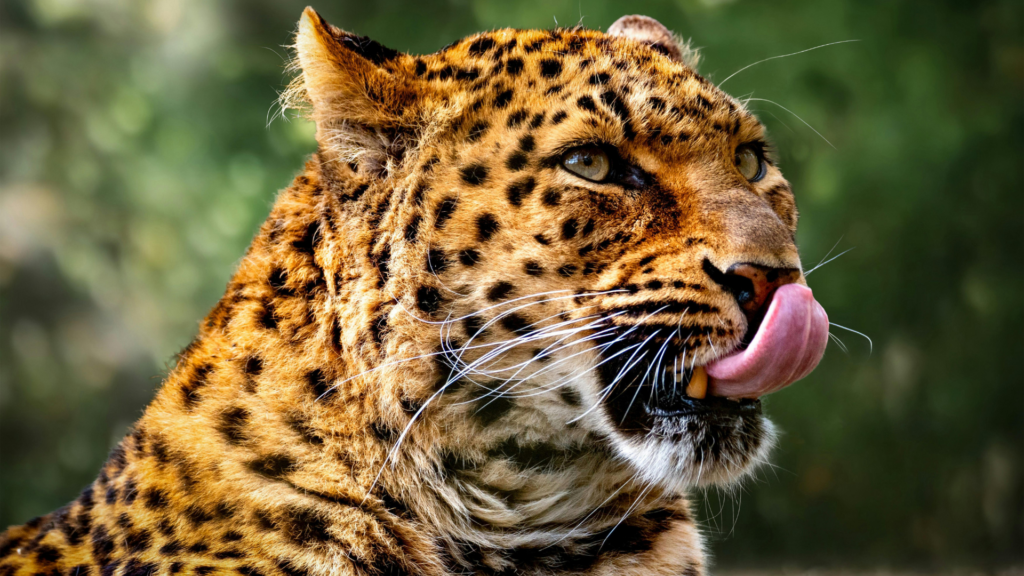
The rejection of the jaguar reintroduction plan has intensified an ongoing debate about how best to protect endangered species in the United States. While federal officials prioritize current recovery strategies, conservationists continue to push for more aggressive action to restore jaguars to their historic range. As new research and environmental pressures emerge, the question of whether jaguars will once again roam the American Southwest remains unresolved and deeply contested.
PetsFanatic Team
Pet Care Expert & Content Creator
Passionate about sharing knowledge and tips for better pet care. Writing about everything from pet health to training techniques.