
Congress Could Override State Farm Animal Welfare Laws, Advocates Warn
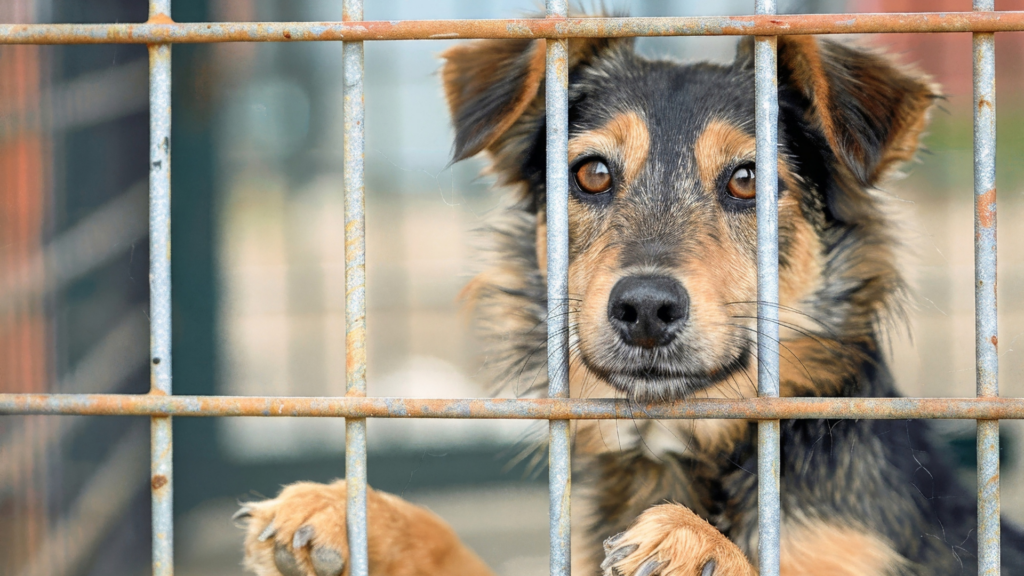
Animal welfare advocates are raising concerns over a proposal in Congress that could override certain state-level farm animal protection laws, potentially limiting states’ ability to set their own standards for how agricultural products are produced and sold. The debate centers on language included in federal legislation that supporters say would create a more consistent national marketplace, while opponents argue it could weaken voter-approved protections that have been enacted in several states.
The issue has drawn national attention because states such as California, Massachusetts, and others have adopted farm animal welfare requirements through ballot initiatives and legislation. These laws generally establish standards for housing and treatment conditions for certain farm animals and apply to products sold within those states, even when the products originate elsewhere.
Advocacy groups warn that congressional action could significantly alter the balance of authority between federal and state governments, creating a legal and political battle over who should determine animal welfare standards in the United States.
Why Animal Welfare Advocates Are Concerned
Critics of the proposal argue that it could effectively nullify years of work by voters, animal welfare organizations, and state lawmakers who have pushed for stronger agricultural standards. They say the measure would prevent states from enforcing requirements that differ from federal regulations, potentially overriding protections that residents approved through democratic processes.
Animal welfare organizations contend that state laws often reflect local values and consumer preferences, particularly in regions where voters have expressed strong support for higher standards in food production. Advocates argue that removing state authority could make it more difficult for consumers to influence how products sold in their communities are sourced and produced.
Supporters of maintaining state authority also note that several animal welfare reforms have historically begun at the state level before expanding more broadly. They argue that states have often served as testing grounds for policies that later influenced national discussions about agricultural practices and consumer expectations.
Supporters Say A National Standard Would Help Farmers
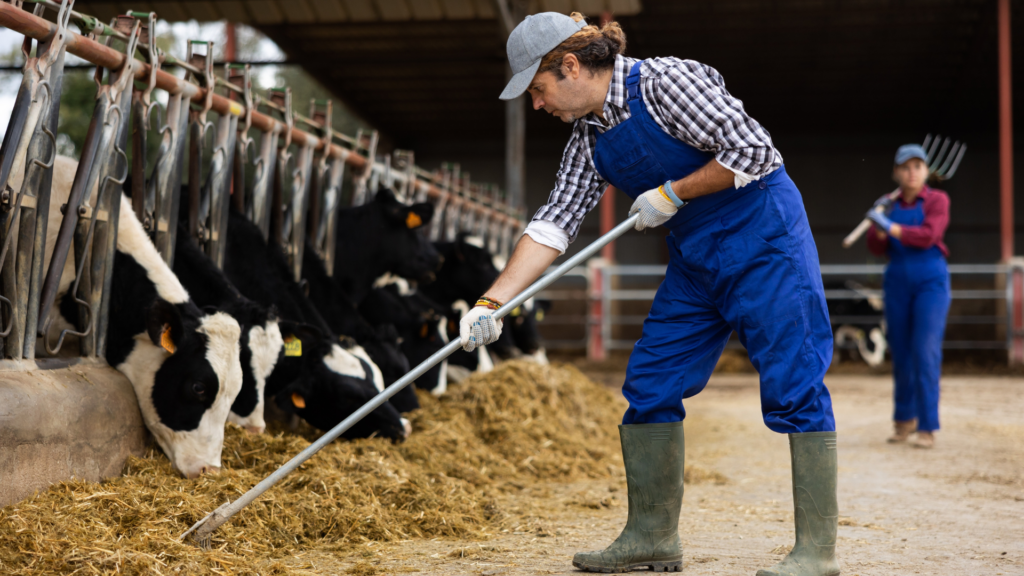
Supporters of the congressional proposal argue that a patchwork of state regulations creates challenges for farmers, ranchers, and food producers who sell products across multiple states. They contend that complying with different rules in different markets can increase costs, complicate distribution networks, and create uncertainty for agricultural businesses.
Agricultural industry groups have long argued that interstate commerce functions more efficiently when producers operate under consistent national standards rather than dozens of different state requirements. They say federal oversight can provide clarity while reducing regulatory burdens that may disproportionately affect smaller producers.
Backers of the measure also argue that food production policies should be determined at the federal level to ensure fairness across the country. They maintain that allowing individual states to impose requirements on products produced elsewhere can create conflicts between states and disrupt national agricultural markets.
The Debate Over States’ Rights And Animal Welfare Continues

The controversy extends beyond animal welfare alone and touches on broader questions about states’ rights, federal authority, and consumer influence over food production. Legal experts note that the dispute reflects a long-running debate over how much power states should have to regulate products entering their markets from other parts of the country.
For animal welfare advocates, the concern is that federal action could reverse protections that many voters specifically endorsed through ballot measures and legislative campaigns. For agricultural groups, the focus remains on creating a more predictable and uniform regulatory environment for producers operating across state lines.
Ultimately, the outcome could have lasting implications not only for farm animal welfare policies but also for future conflicts involving state-level regulations and interstate commerce. As Congress considers the proposal, both supporters and opponents are preparing for what could become one of the most significant agricultural policy debates of the year.
PetsFanatic Team
Pet Care Expert & Content Creator
Passionate about sharing knowledge and tips for better pet care. Writing about everything from pet health to training techniques.