
Colors, Claws, and Camouflage: Wildlife’s Coolest Tricks
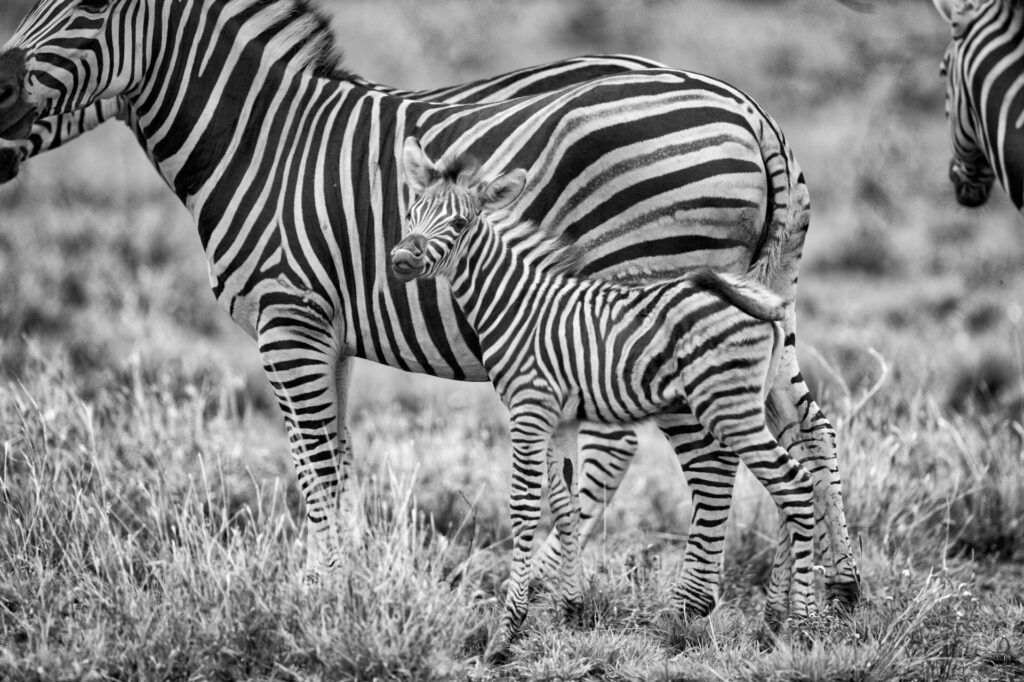
Animals have some jaw-dropping ways to survive. Some can freeze solid and thaw back to life, while others grow new limbs or see in the dark. Every creature has a clever trick that helps it eat, hide, or thrive in the wild. From color-changing eyes to natural armor, wildlife never runs out of surprises. Let’s peek into the animal kingdom and meet some species with talents that sound straight out of science class.
Frogs That Freeze and Come Back to Life
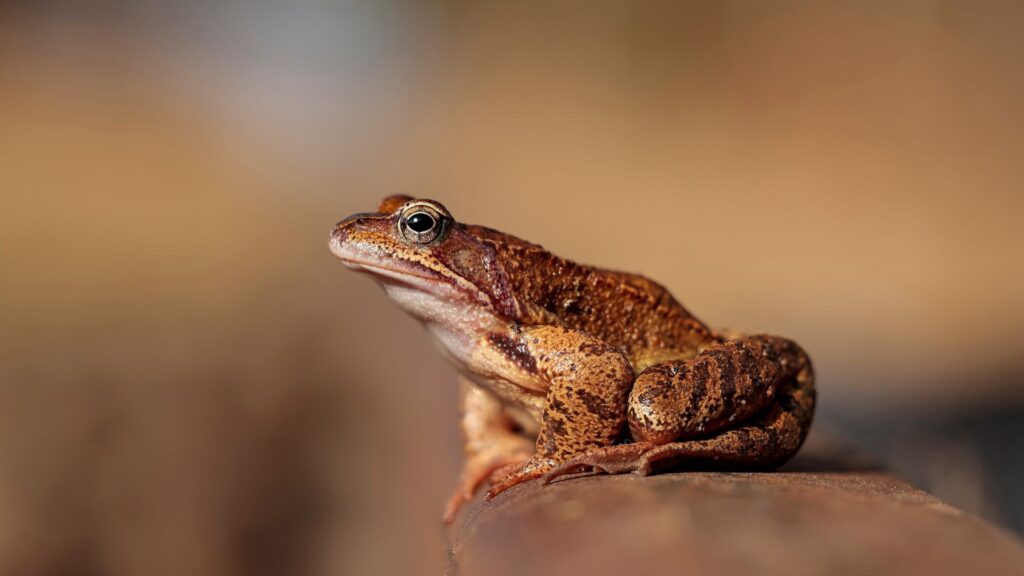
The wood frog can literally freeze solid in winter and hop back to life once spring arrives. Found as far north as Alaska, it spends months in icy stillness with no heartbeat or breath. Its secret lies in high glucose levels that protect its cells from damage during freezing. When the air warms, the frog thaws out slowly and starts moving again, showing how nature always finds unexpected ways to keep life going.
Reindeer Eyes That Change Color in Winter
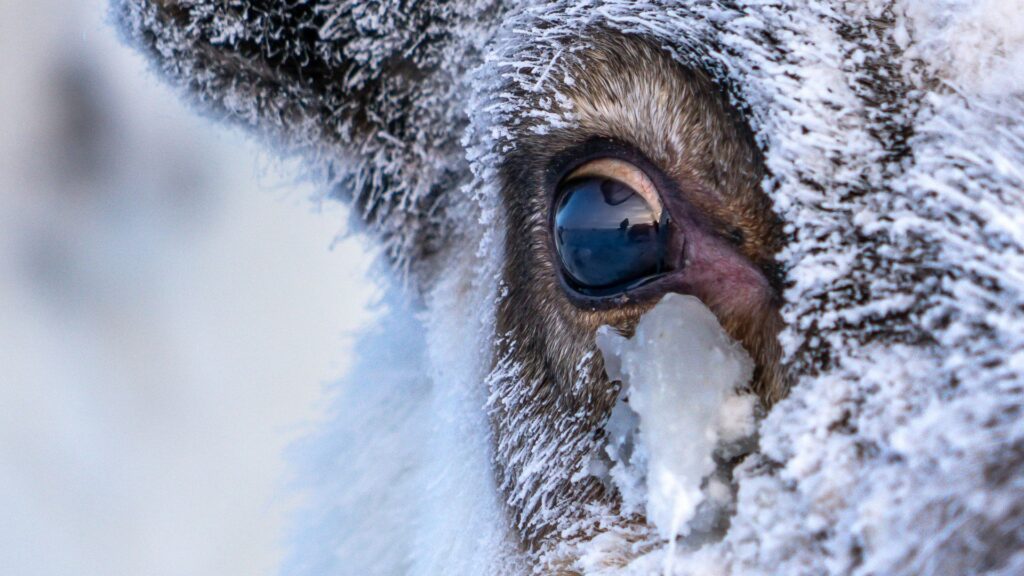
Reindeer can actually change the color of their eyes depending on the season. In summer, their eyes stay a warm brown to handle long hours of sunlight. During the dark Arctic winter, they shift to a shimmering blue that helps them see better in low light. The change happens because pressure in the eyes increases and reshapes the tissue, letting them catch more light so they can move and feed through months of near darkness.
Geckos That Shed Their Scales to Escape

Fish-scale geckos have a quick escape plan that’s built right into their skin. Their large, overlapping scales can fall off at the slightest touch, leaving a predator with nothing but a mouthful of skin. It’s a clever way to slip away unharmed. The gecko grows new scales within a few weeks, so it’s always ready for another getaway. These tiny reptiles live in Madagascar’s forests and spend their nights hunting insects under the cover of darkness.
Whales That Hunt With Bubble Nets

Humpback whales have a fascinating way of catching dinner. They work together to trap schools of fish inside spirals of bubbles called bubble nets. One whale swims in circles and releases bubbles, while others use sounds and movement to herd the fish into the trap. When the timing’s right, the whole group surges upward with open mouths to feed. It’s a coordinated effort that shows how teamwork can make even the ocean’s biggest creatures more efficient hunters.
Sea Stars That Feed Outside Their Bodies

Sea stars eat in a way that sounds almost unreal. When they find a mussel or clam too big to swallow, they push their stomachs right out of their mouths to start digesting it on the spot. The stomach wraps around the prey, breaks it down into a liquid mix, and then slides back inside once the meal is ready to finish. It’s a strange but smart feeding trick that helps them handle much larger prey.
Jellyfish That Can Rewind Aging

The immortal jellyfish can do something no other animal can. When it’s hurt or growing old, it transforms back into its younger form and begins life again. The process, known as transdifferentiation, lets its adult cells turn into new, simple ones. Each time it resets, the cycle starts over as if aging never happened. The jellyfish may be small, but its survival trick has fascinated scientists for years.
Opossums That Resist Snake Venom

Opossums have a natural defense that sounds almost like science fiction. Their blood contains a special protein that can neutralize certain kinds of snake venom. Scientists believe this ability developed as opossums hunted venomous snakes over time. Experiments have shown that the same protein can even protect mice from rattlesnake venom. Researchers are now studying it closely since it could help create safer and more affordable antivenoms for people in the future.
Hippos That Sweat Their Own Sunscreen

Hippos stay cool in the sun with a built-in sunscreen their bodies make naturally. Their skin releases a red-tinted liquid often called “blood sweat,” though it’s neither blood nor sweat. The fluid contains two pigments that turn red and orange when exposed to air. Together, they help block harmful UV rays and stop bacteria from growing on the skin. It’s a natural shield that keeps hippos protected under the blazing African sun.
Nature’s Clever Designs Keep Us Guessing

Every creature has its own way of surviving, from freezing frogs to color-shifting reindeer. The animal kingdom never runs out of surprises, and each adaptation shows how creative life can be. Whether it’s for hunting, hiding, or thriving in extreme places, animals always find a way. Paying attention to these wild tricks reminds us how much more there is to learn from the natural world around us.
PetsFanatic Team
Pet Care Expert & Content Creator
Passionate about sharing knowledge and tips for better pet care. Writing about everything from pet health to training techniques.