
Luxury Club Med Resort Faces Backlash Over Shark Nets That Could Harm Endangered Marine Life

On February 13, 2026, a juvenile Indian Ocean humpback dolphin became entangled in a shark net off the coast of KwaZulu-Natal, South Africa, and died. Fewer than 500 of these dolphins remain in the entire country. The death reignited an ongoing fight over a plan to install similar nets directly in front of a new luxury Club Med resort under construction just 45 kilometers north of Durban. Eleven leading marine scientists have signed an open letter opposing the plan. The resort’s developer and local authorities say the nets are necessary. The science says otherwise.
What Club Med Is Building, and Why It Matters

Club Med Tinley Manor is the French tourism company’s first resort in South Africa, a more than $120 million development in the coastal village of Tinley Manor on KwaZulu-Natal’s North Coast. The resort combines beach and safari experiences and sits directly on a public beach bordering the buffer zone of the protected uThukela Banks Marine Protected Area. Developers expect the resort to generate more than 800 direct jobs and around 1,500 indirect jobs, while adding roughly 340,000 bed-nights annually to South Africa’s tourism sector. With an influx of up to 1,000 additional visitors per day, local authorities began planning for swimmer safety before the resort even opened.
The Safety Plan That Set Off a Scientific Backlash

The KwaDukuza Municipality turned to the KwaZulu-Natal Sharks Board for safety guidance. The board’s recommendation: a 214-meter-long gill net anchored to the seabed, plus six baited drum lines. The board told a public participation meeting in November 2025 that representatives for Club Med and the municipality had examined numerous alternatives, and that nets and drum lines were the only viable option given local environmental conditions and the shark species present in the area. That conclusion did not sit well with the scientific community. Eleven senior marine researchers responded with a formal letter of opposition, arguing the plan would cause significant harm while providing limited additional safety benefit.
What These Nets Actually Catch

The numbers behind the KwaZulu-Natal Sharks Board’s existing program tell a troubling story. According to government data, the board’s nets and drum lines catch an average of 564 marine animals per year across 37 beaches, of which roughly 416 die annually. Only about 13 percent of those are the target shark species, including bull, tiger, and white sharks. The remaining 87 percent are non-target animals: rays, harmless sharks, dolphins, sea turtles, and birds. Scientists note that approximately 79 percent of all animals removed by the program fall into categories classified as vulnerable, endangered, or critically endangered by the International Union for Conservation of Nature.
The Endangered Species in the Crossfire

The coastline around Tinley Manor is not just a popular tourist beach. It is a critical habitat for some of South Africa’s most threatened marine species. The Indian Ocean humpback dolphin, with fewer than 500 individuals remaining in the country, lives close to shore in exactly this type of coastal zone. Loggerhead and leatherback sea turtles, both listed as threatened on the IUCN Red List, have been observed nesting in the area. Six of the world’s seven sea turtle species are now classified as threatened with extinction. Scientists point out that the Tinley Manor shoreline was previously identified as one of the highest-risk sites for humpback dolphin deaths in KwaZulu-Natal shark nets.
The Nets Do Not Work the Way Most People Think

The public image of a shark net is a barrier that keeps sharks out of swimming areas. That is not how they function. Shark nets do not seal off a section of ocean. They are placed offshore and work by entangling and killing sharks over time, reducing the local population. As marine scientist Enrico Gennari explained to France 24, the KwaZulu-Natal Sharks Board’s philosophy is that one fewer shark means one fewer risk of an encounter for humans. But the system cannot distinguish between a bull shark and an endangered dolphin. According to senior scientist Ryan Daly of the Oceanographic Research Institute in Durban, when scientists proposed alternative measures, their suggestions were dismissed out of hand by authorities.
The Alternatives Scientists Say Are Being Ignored

Scientists and conservation groups have proposed a range of non-lethal options that are already in use elsewhere in South Africa and around the world. Cape Town and Plettenberg Bay use trained shark spotters stationed at elevated positions who scan the water and alert swimmers when sharks approach. Drone surveillance has proven effective at detecting sharks before they reach swimming areas. The SharkSafe Barrier, an electromagnetic deterrent developed and tested in South Africa, has been shown in peer-reviewed studies to alter shark swimming patterns without harming animals. Smart drum lines that allow captured sharks to be released alive are also available. Scientists note that non-lethal approaches typically combine several methods rather than relying on one device.
Club Med’s Sustainability Claims Are Now Under Scrutiny

Club Med markets itself as a champion of responsible, sustainable tourism. Its environmental commitments are featured prominently in its branding. The Anti-Shark Culling Coalition, which represents 70 organizations, directly challenged that image in a public statement, arguing that endorsing the deployment of gill nets — devices proven to kill non-target wildlife at scale — directly contradicts the company’s stated values. The Earth Legacy Foundation’s Esther Jacobs said that non-lethal alternatives not only protect ocean users and marine life, but also create jobs, which would align with the resort’s economic goals. South Africa’s Department of Forestry, Fisheries and the Environment said it is considering whether the installation should require a full environmental impact assessment.
The Safety Argument the Sharks Board Is Making

The KwaZulu-Natal Sharks Board has not backed down. Acting CEO Harry Mbambo confirmed in public statements that the application was directly linked to the Club Med development, stating that the resort was likely to make Tinley Manor one of the most heavily used beaches in the province and that this increased the risk of shark attacks. The board’s research head, Matt Dicken, told public meetings that nets and drum lines have reduced fatal shark attacks at protected beaches by 100 percent over 73 years. That safety record is real: there have been no fatal attacks at KZNSB-protected beaches during that period. The board says the annual catch of 563 animals represents a minimal ecological footprint compared to other South African fisheries.
A Resort, a Coastline, and a Question That Goes Far Beyond South Africa
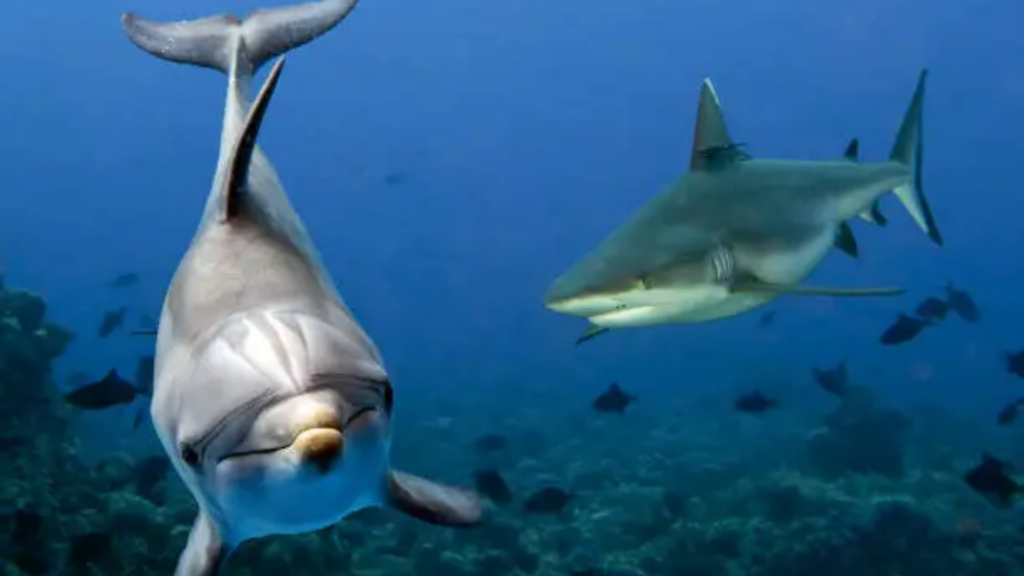
The Club Med Tinley Manor controversy is a collision between two legitimate concerns: the safety of swimmers at a busy public beach, and the protection of marine species already pushed to the edge of survival. Neither concern is invented or exaggerated. What the scientists are asking is whether a decision made in 1952, when the first nets were deployed in KwaZulu-Natal, should still be the default answer in 2026, when non-lethal technology exists and endangered species cannot absorb further losses. The resort will open. The beach will fill with visitors. What remains unresolved is what the ocean off Tinley Manor will look like once it does.
PetsFanatic Team
Pet Care Expert & Content Creator
Passionate about sharing knowledge and tips for better pet care. Writing about everything from pet health to training techniques.