
Climate Change Is Making Earth Smell Different, and Experts Warn We May Not Even Notice

The human nose can detect over one trillion scents, but many of those aromas are vanishing from Earth. Rising temperatures, pollution, and biodiversity loss are altering the way the planet smells, threatening everything from sandalwood and vanilla to frankincense and jasmine. Scientists warn that these disappearing scents carry cultural heritage, memory, and ecological connections that most people overlook until they’re gone.
Heat Changes How Forests and Snow Release Scent Molecules

Temperature directly affects the chemical components in the air that carry smell. Chemical engineer Idelfonso Nogueira explains that when forest temperatures rise even slightly, the profile of scent molecules changes, altering how the environment smells. Snow absorbs different atmospheric chemicals as temperatures climb, making it more pungent and potentially laden with pollutants rather than retaining its clean, cold scent.
Urban Heat Intensifies Smells From Asphalt, Trash, and Buildings

Warmer conditions cause asphalt roads and buildings to release more volatile organic compounds like formaldehyde and benzene. Researcher Jieling Xiao notes that higher temperatures make molecules move faster, increasing the likelihood of smelling materials around us. Cooking fumes and rotting garbage produce stronger, more disruptive odors in the heat, affecting both human experience and wildlife behavior in urban areas.
Threatened Plants Could Erase Sandalwood, Vanilla, and Frankincense Scents

Climate change threatens hundreds of thousands of plant species that produce distinctive aromas. Sandalwood, vanilla, bergamot, and lavender face declining populations as environments shift. Frankincense trees, which produce spicy resin used in religious ceremonies for millennia, are disappearing due to forest fragmentation, overharvesting, and warming temperatures. Scent preservation researcher Cecilia Bembibre emphasizes that losing frankincense means losing 3,000 years of cultural history.
Hurricane Beryl Destroyed 60 Percent of Grenada’s Cocoa Trees Last Year

At Belmont Estate in Grenada, Hurricane Beryl destroyed roughly 9,000 cocoa trees in July 2024, wiping out 60 percent of the farm’s stock. Shadel Nyack Compton describes the loss as devastating, not just in numbers but in spirit, since each tree represents years of care and history. Among the casualties was a tamarind tree believed to be over 300 years old.
Madagascar Lost 30 Percent of Its Vanilla Harvest to a Single Cyclone

Madagascar supplies 85 percent of the world’s natural vanilla, but climate disruptions have halved yields in recent years. A single cyclone in 2017 damaged 30 percent of that year’s harvest. In Egypt, intensifying heat forces jasmine blossoms to open too soon, releasing their scent before dawn pickers arrive. Bulgaria’s rose fields now bloom earlier and for shorter periods, thinning the fragrance tradition.
Pollution Strips Flowers of Scent Cues That Pollinators Need

Ecologist Sabine Nooten found that heatwaves can reduce bees’ ability to smell flowers by up to 80 percent, disrupting pollination. Biologist Jeffrey Riffell discovered that nitrate radicals in urban air strip evening primrose flowers of their sharp, minty edge, making them unrecognizable to hawk moths. When scents vanish, he notes, they erase relationships between plants, animals, and people.
Loss of Smell After COVID Linked to Depression and Lower Quality of Life

During the pandemic, up to 75 percent of those infected lost their sense of smell or taste. In a survey of 322 people with this sensory loss, 56 percent reported a decline in overall quality of life, and 43 percent experienced depression. Cognitive neuroscientist Rachel Herz notes that pollution is also damaging the peripheral olfactory system, reducing people’s ability to smell in highly polluted areas.
Natural Scents Like Forest Air Offer Health Benefits We’re Losing

Research shows that spending time among natural smells provides physical and mental health benefits. Trees release substances called phytoncides that humans inhale through the nose, potentially decreasing stress, boosting immune function, and enhancing relaxation. A recent pilot study found promising links between sniffing nature’s aromas and improved well-being, yet psychologist Lucia Jacobs warns that humans remain largely unaware of these vanishing olfactory environments.
Scientists Are Preserving Endangered Scents Before They Disappear Forever
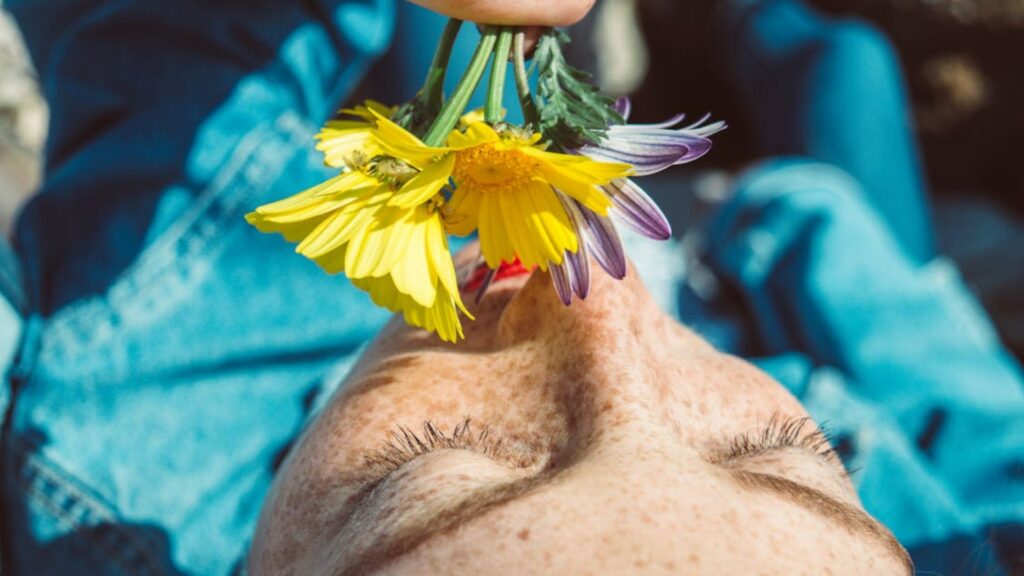
Researchers are racing to document and recreate threatened aromas. Perfumer Sissel Tolaas has cataloged over 15,000 odors and preserved nearly 20,000 molecules in her Berlin lab. Nogueira’s team is engineering AI models to chemically recreate past smells and predict future scentscapes, hoping emotional connections will drive climate action. As he puts it, smell plays with our emotions more directly than images alone.
PetsFanatic Team
Pet Care Expert & Content Creator
Passionate about sharing knowledge and tips for better pet care. Writing about everything from pet health to training techniques.