
Climate Change Could Put Thousands of Plant Species at Risk of Extinction, New Studies Warn

New scientific studies are sounding the alarm over a growing but often overlooked climate crisis: the potential extinction of tens of thousands of plant species worldwide. Researchers say climate change is rapidly reshaping ecosystems by altering temperatures, rainfall patterns, and habitat conditions faster than many plants can adapt. While animal extinctions often dominate headlines, scientists warn that plants, which form the foundation of nearly every ecosystem on Earth, could face devastating losses in the coming decades if warming continues unchecked.
Scientists Predict Massive Habitat Loss

According to new modeling studies published in the journal Science, between 7% and 16% of the world’s plant species could lose at least 90% of their suitable habitat by the end of the century. Researchers estimate this could place roughly 35,000 to 50,000 plant species at risk of near-extinction under moderate climate warming scenarios, with even greater losses possible if emissions continue rising rapidly.
Climate Change Is Reshaping Plant Habitats
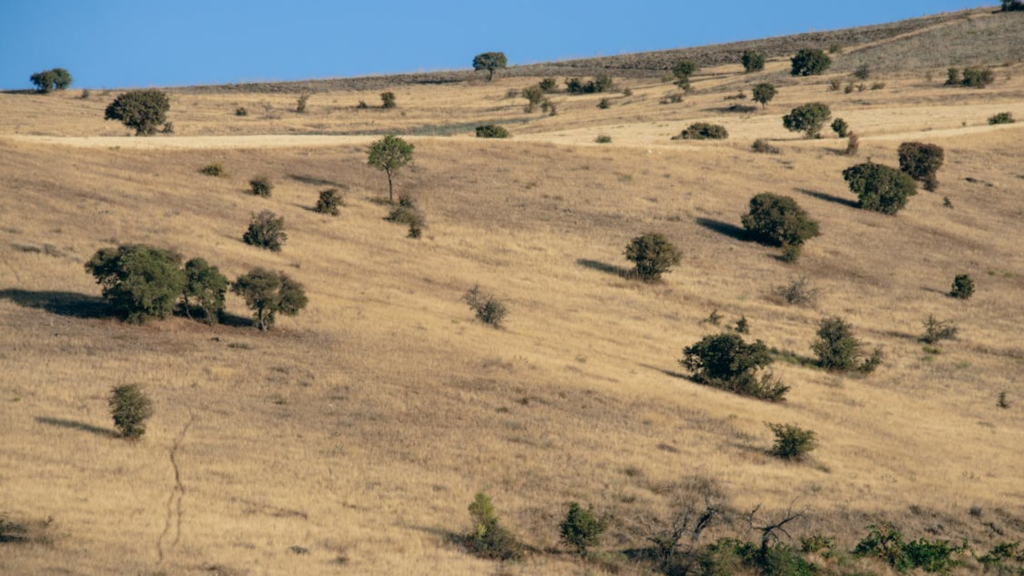
Scientists say warming temperatures and shifting rainfall patterns are disrupting the delicate environmental conditions many plants rely on to survive. Some species need highly specific combinations of soil, moisture, temperature, and seasonal weather, and climate change is causing those conditions to shift in different directions simultaneously. As a result, many plants may no longer find suitable environments even if they migrate.
Plants Can’t Always Move Fast Enough

For years, scientists believed plants might gradually migrate toward cooler regions or higher elevations as the planet warmed. But the new research suggests migration alone may not save many species because the habitats themselves are disappearing entirely. Researchers found that extinction risk is driven more by habitat loss than by plants’ inability to physically spread to new areas.
Some Regions Face Greater Danger Than Others

The studies identified several global hotspots where plant extinction risk appears especially severe, including southern Europe, western North America, and parts of Australia. In Australia, eucalyptus species, which dominate much of the continent’s forests and carry enormous ecological and economic importance, are among those considered highly vulnerable under future warming scenarios.
Plants Are Essential to Nearly All Life on Earth

Researchers emphasize that plants are not just passive background organisms, they are the foundation of ecosystems worldwide. Plants produce oxygen, regulate climate, stabilize soil, support pollinators, and provide food and medicine for humans and wildlife alike. Large-scale plant extinctions could trigger cascading effects across food chains and entire ecosystems.
Some Plant Species Are Already Critically Endangered

The International Union for Conservation of Nature (IUCN) already lists thousands of plant species as critically endangered, meaning they face an extremely high risk of extinction in the wild. In fact, more than half of all critically endangered species on the IUCN Red List are plants, highlighting how vulnerable global plant diversity has already become before the full effects of climate change arrive.
Climate Change Could Create Entirely New Ecosystems

Scientists say climate-driven plant migrations may create “novel ecosystems” where species that have never previously interacted suddenly coexist. While some regions may temporarily gain local plant diversity as new species move in, researchers warn these unfamiliar interactions could produce unpredictable ecological consequences that are difficult to forecast.
Conservation Alone May Not Be Enough

The studies suggest that traditional conservation strategies like assisted migration may not fully prevent climate-driven plant extinctions. Researchers argue that aggressively reducing greenhouse gas emissions will likely be more effective than relying solely on relocation or habitat management. At the same time, seed banks, botanical gardens, and protected climate refuges are expected to become increasingly important for preserving vulnerable species.
Scientists Warn the Crisis Is Being Overlooked

Experts say plant extinctions receive far less public attention than declining animal populations, even though plants underpin nearly every ecosystem on Earth. The new studies warn that without urgent climate action, the world could lose an enormous amount of biodiversity within the next several decades. Researchers say protecting plant life may ultimately prove just as important to humanity’s future as protecting wildlife itself.
PetsFanatic Team
Pet Care Expert & Content Creator
Passionate about sharing knowledge and tips for better pet care. Writing about everything from pet health to training techniques.