
Climate Change Could Push Venomous Snakes Into New Areas, Raising Snakebite Risks
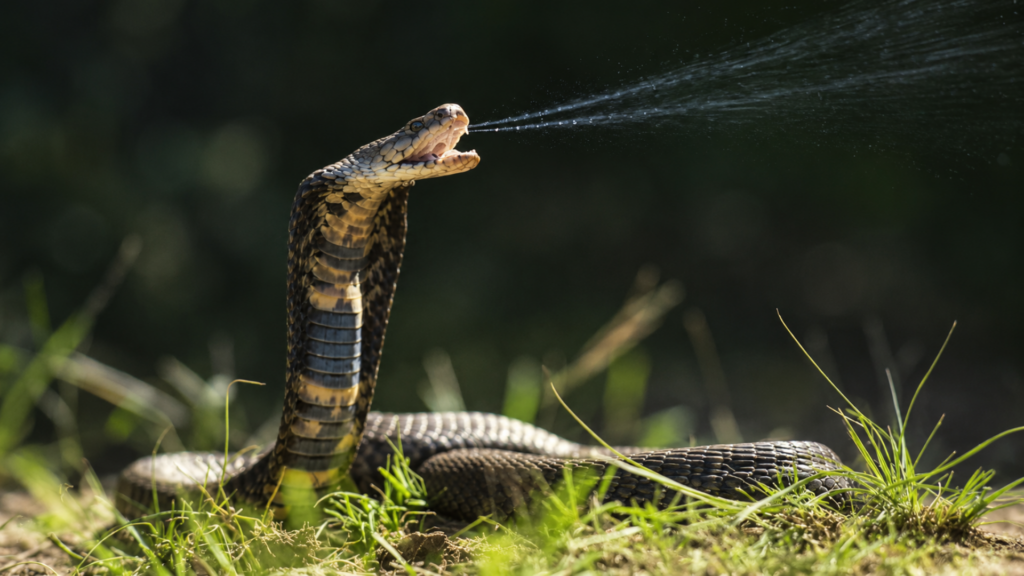
A cottonmouth moccasin in New York. A many-banded krait threading through the streets of a Chinese city it has never touched. These are not predictions from a horror film. They are projections from a landmark WHO-led study published in PLOS Neglected Tropical Diseases, mapping all 508 of the world’s medically important venomous snakes and asking, for the first time, where rising temperatures will send them.
Snakebite has long been treated as a local problem, something rural clinics in tropical countries manage with whatever antivenom sits on their shelves. That framing is overdue for a rethink. The WHO estimates snakebite kills roughly 138,000 people annually and leaves 400,000 others with permanent disabilities, including amputations, kidney failure, and nerve damage that ends working lives. Nearly all of those victims live far from adequate medical care, in communities that are the last to hear about shifting risk.
The research was led by Anna F.V. Pintor, a biologist at WHO’s Department of Control of Neglected Tropical Diseases in Geneva. Her team pulled occurrence records from public databases, museum collections, field notes, scientific papers, and verified social media posts, with more than 30 snake experts vetting every entry. The result was the largest snake-location dataset ever compiled. Each species’ sightings were cross-referenced against climate, vegetation, soil, and population data at a resolution of roughly one square kilometer. Then the models were run forward, to 2050 and 2090, under high-emissions conditions.
A Map That Finally Tells the Whole Story
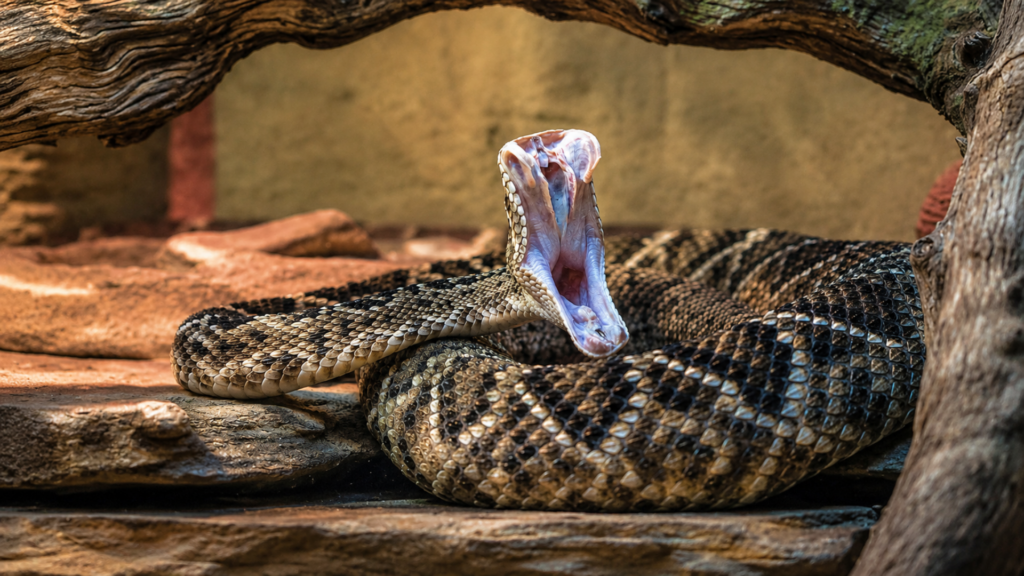
Before this study, global efforts had mapped only about 200 well-documented snake species, leaving rare and poorly studied ones off the charts entirely. Pintor’s team covered all 508. The researchers also built what they call a snake-human overlap index, a measure of how many people live inside the territory a given species could occupy. Where both populations run dense, the conditions for deadly encounters already exist. That overlap peaks across sub-Saharan Africa, the South Asian belt anchored by India, and smaller pockets of Central and South America and the Middle East.
The Guardian coverage of the study quotes co-author David Williams of the WHO and the University of Melbourne, who put the stakes plainly. The overlap between humans and venomous snakes will grow, Williams said, describing the risk as something as ordinary as walking out a back door, stumbling, and getting bitten.
India illustrates the problem at its sharpest. The country already records the highest snakebite fatalities in the world, an estimated 60,000 deaths each year. The new modeling projects that India’s deadliest species, including common cobras, Russell’s vipers, and kraits, are likely to shift from the south toward the more densely populated north. A regional study found similar patchwork patterns valley by valley, reinforcing the point that broad national maps are not enough for countries this complex.
Winners, Losers, and the Snakes No One Expected
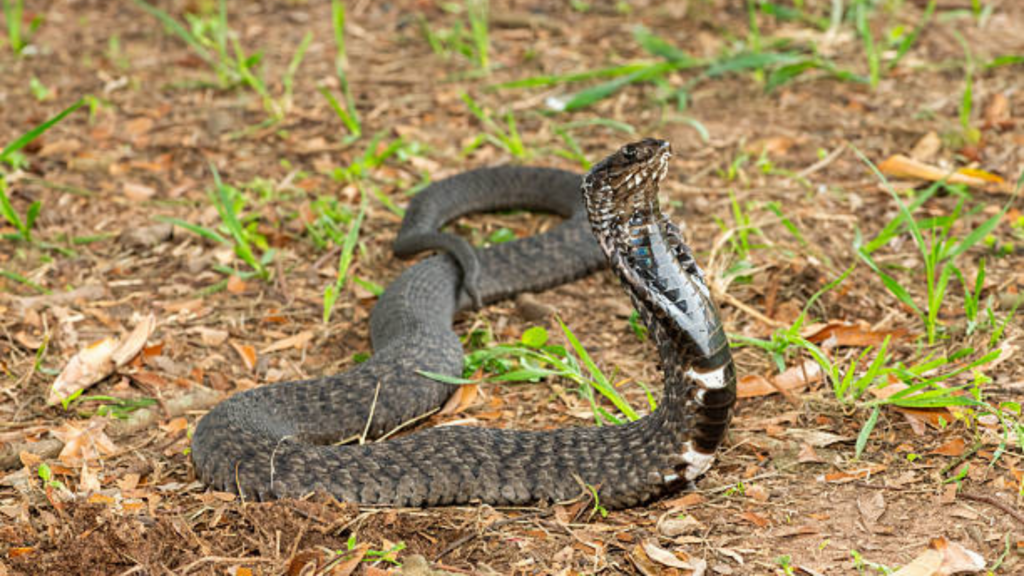
The projections cut in more than one direction. Most venomous snakes face shrinking habitat as warming degrades the ecosystems they depend on. The puff adder, a thick-bodied African viper responsible for many bites across the continent, faces major range contraction by 2090. Coral snakes in the Amazon and copperheads in Papua New Guinea and Australia face similar pressure. Climate change is, for most of these species, a slow-moving threat to their survival, compounding habitat loss from deforestation, agricultural expansion, and urban sprawl.
Some species, however, are heading the other way. The black-necked spitting cobra is projected to expand across East and West Africa. Cottonmouth moccasins in the United States are forecast to push as far north as New York, well outside their historical range. In Asia, the many-banded krait could migrate from forests in Myanmar and China’s Yunnan province into densely populated central and northern Chinese cities. These species are moving into places where people have never had reason to fear them before.
Australia offers an instructive counterpoint. The country hosts some of the world’s most venomous snakes but records very few fatalities, because farmworkers wear boots, use machinery, and live within reach of clinics stocked with antivenoms. Wealth and infrastructure absorb risk. In poor, remote communities where people work barefoot in fields and hospitals sit hours away, the same snake in the same field produces entirely different outcomes.
Antivenom Needs to Move Before the Snakes Do

Antivenom is not a generic remedy. Each formulation targets a specific species or regional group of species. A clinic stocked to treat a puff adder bite is potentially useless against a spitting cobra, and wrong antivenom administered under pressure costs time nobody has. As snake ranges shift, supply chains have to follow them ahead of the bites. A hospital in Kenya managing puff adder cases today may find its caseload tilting toward spitting cobras within two decades. A clinic in North Carolina that rarely sees a cottonmouth may see them regularly.
Pintor’s team designed the dataset for immediate use. Country-level maps sit on a public WHO platform so health ministries can begin repositioning stocks now, before encounters pile up in places that have never stocked the right vials. The study’s authors were explicit about the range of applications, stating that the findings can guide decisions on where to stockpile which antivenom, how to ensure adequate capacity at individual health facilities, how to improve access for remote communities, and where to focus conservation efforts for threatened species.
Conservation is not a secondary concern here. More than three in ten medically important snake species are already classified as threatened, near-threatened, or too poorly documented to assess. Snakes regulate rodent populations that destroy crops and spread disease. Losing them damages the rural ecosystems that the communities most at risk of snakebite also depend on for food and income. The arrival of a spitting cobra in an unfamiliar region is a public health emergency. The disappearance of a puff adder from its historical territory is an ecological one. Climate change is manufacturing both at once, in the same landscapes, among the same people who have the least power to prepare for either.
PetsFanatic Team
Pet Care Expert & Content Creator
Passionate about sharing knowledge and tips for better pet care. Writing about everything from pet health to training techniques.