
Can Horses Detect Human Fear? Scientists Put the Theory to the Test

Many horse owners swear their animals know when someone is nervous, but is that just a feeling or is there scientific evidence behind it? Researchers have spent years studying how horses respond to human emotions, and recent findings are helping explain what these highly social animals may actually detect. The answer is more nuanced than simply saying horses can “sense fear,” but the science is revealing just how observant they really are.
Why Are Horses So Good at Reading People?
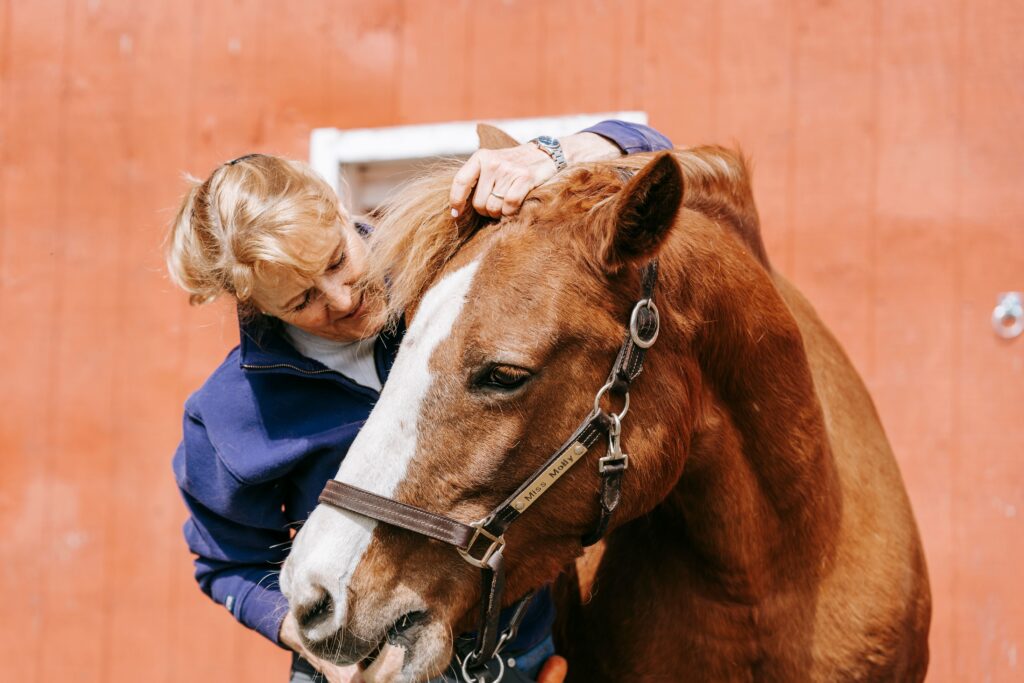
As prey animals, horses evolved to notice subtle changes in their surroundings to avoid danger. That means they pay close attention to body language, posture, movement, facial expressions, and even tone of voice, making them exceptionally skilled at interpreting human behavior. Their survival has long depended on recognizing potential threats before they become obvious, making them naturally attentive to small changes in both animals and humans.
What Scientists Wanted to Find Out

Researchers wanted to answer a specific question: Can horses detect fear itself, or are they simply reacting to the physical signals people display when they’re anxious? To find out, scientists designed experiments that separated emotional cues from other factors as much as possible. This distinction is important because recognizing emotional expressions is very different from sensing emotions directly.
How Researchers Tested the Theory

In studies, participants interacted with horses after experiencing different emotional states or while viewing emotionally charged images. Scientists monitored both the humans and the horses, looking for changes in behavior, heart rate, attention, and stress responses to see whether the animals reacted differently depending on the person’s emotional state. Some studies also examined whether horses responded differently to familiar versus unfamiliar people, helping researchers understand how past experiences influence their behavior.
The Surprising Results

The findings suggest horses can distinguish between different human emotional states. Rather than responding randomly, they often behaved differently around anxious or tense people, although researchers say they were likely responding to a combination of visible and physiological cues rather than “reading minds.” In other words, horses appear to be remarkably good at interpreting the signals that emotions naturally produce.
What Horses May Actually Be Detecting

Scientists believe horses may notice changes such as muscle tension, breathing patterns, posture, facial expressions, voice, and even body odor associated with stress. These subtle signals can provide enough information for a horse to adjust its own behavior. Because horses rely heavily on nonverbal communication with one another, they’re especially well equipped to notice these kinds of cues in people as well.
Fear Isn’t the Only Emotion They Recognize

Research also suggests horses can recognize happiness, anger, and other emotions from human faces and voices. Some studies found they remember previous emotional expressions and may respond differently when encountering the same person again. This growing body of research suggests horses form lasting impressions that can influence future interactions.
What This Means for Riders and Handlers

Understanding how horses perceive human emotions can improve safety and training. Riders who stay calm, communicate clearly, and build trust are often more successful because horses tend to respond to consistent, confident handling rather than mixed emotional signals. Professional trainers often emphasize that managing your own emotions is just as important as giving the correct physical cues.
What Scientists Still Don’t Know

Researchers caution against saying horses can literally “sense fear.” While evidence shows they respond to emotional cues, more research is needed to understand exactly which signals matter most and how horses process them in different situations. Future studies may also explore whether factors such as breed, training, age, or individual personality affect how horses interpret human emotions.
The Bond Between Humans and Horses Keeps Revealing New Secrets

Every new study adds to our understanding of how horses communicate with people. As scientists continue exploring animal cognition and emotion, these discoveries could improve horse welfare, training methods, and the relationship between humans and one of our oldest animal companions. For horse owners and enthusiasts alike, the research is a reminder that successful partnerships depend on careful observation, mutual trust, and clear communication from both sides.
PetsFanatic Team
Pet Care Expert & Content Creator
Passionate about sharing knowledge and tips for better pet care. Writing about everything from pet health to training techniques.