
Cameras Catch Moose Where No One Expected to See One, Providing Officials With a Critical Tool

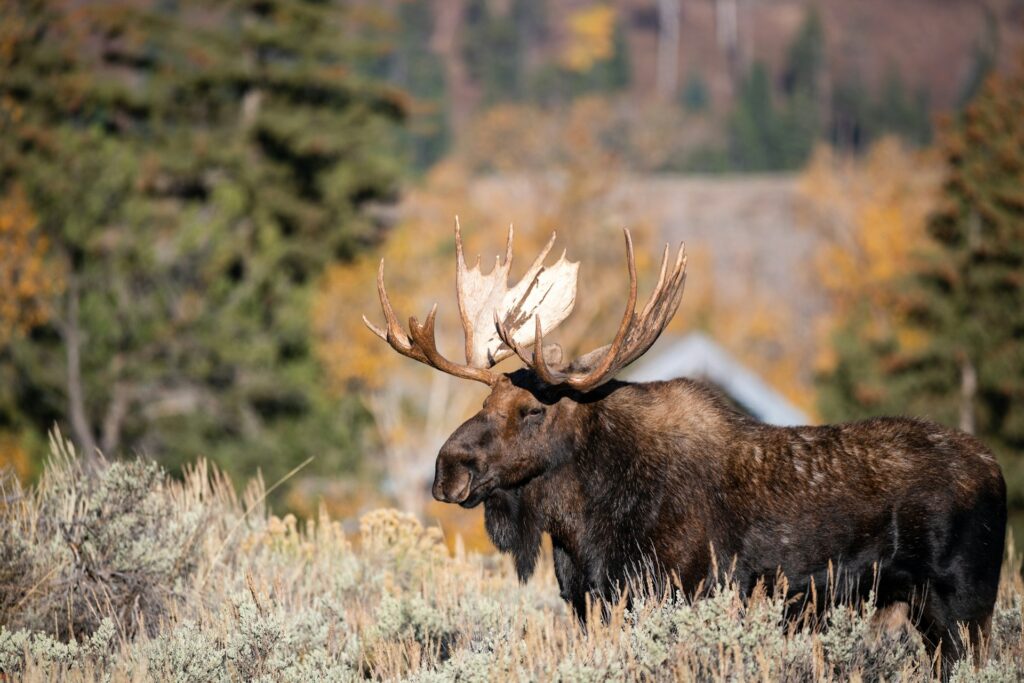
When wildlife cameras captured footage of a moose roaming through a region where the species hasn’t been seen in centuries, even seasoned conservationists were caught off guard. The images, recorded by remote cameras in Romania’s Hunedoara County, showed the massive animal calmly moving through open fields, a sight few believed was possible in the area.
According to reporting by Romania Insider, the footage was shared by Rewilding Romania after a local resident reported a possible sighting. Trail cameras were deployed to confirm the claim, and what they captured exceeded expectations. The organization later described the moment as “gratifying,” noting the animal’s presence could signal a broader ecological shift.
For officials, the footage wasn’t just remarkable; it was actionable. The images offered concrete evidence that long-absent species may be returning to landscapes once considered unsuitable for them.
How the Moose Was Found Without Human Interference
The sighting was made possible through the growing use of trail and remote cameras, tools that allow researchers to monitor wildlife without disturbing natural behavior. In a report on modern conservation methods, Browning Trail Cameras explains that motion-activated cameras are increasingly essential for tracking elusive or skittish animals that avoid human contact.
Rewilding Romania used this exact approach, placing cameras in strategic locations after receiving the initial tip. The resulting footage confirmed that the animal was not passing through briefly at night but moving confidently through the landscape during daylight hours.
This hands-off method is critical, conservationists say, because human presence can alter migration paths and stress animals. Cameras provide a clearer picture of how species actually use the land and whether they may be settling in for the long term.
Why the Sighting Matters for Conservation Efforts

Moose once ranged widely across Central Europe before retreating over centuries of hunting and habitat loss. In a 2005 review published in Mammalian Biology, zoologists Ulrich Schmölcke and Frank E. Zachos documented that by the high and late Middle Ages, moose survived only in scattered, isolated pockets of the region, including parts of central Poland.
That history makes the modern sighting especially striking. In announcing the footage, Rewilding Romania noted that stable moose populations currently exist in neighboring Ukraine and Poland, raising the possibility that the animal moved naturally across borders rather than appearing by chance. Even so, the organization called the moment significant, saying on Facebook that “it’s gratifying to see the natural return of a species to an area it once lived in.”
Beyond symbolism, the images provide concrete data. Officials can use the footage to evaluate habitat suitability, food availability, and wildlife corridors—insights that are difficult to capture through traditional field surveys alone and critical for shaping long-term conservation strategy.
A Critical Tool for the Future of Wildlife Monitoring

Experts say moments like this underscore why camera-based monitoring is becoming central to wildlife management worldwide. In its report on biodiversity and conservation, Green Earth notes that documenting how animals move across landscapes helps conservationists identify critical wildlife corridors, which play a key role in climate resilience and long-term species recovery.
Cameras are also increasingly used in rehabilitation and rewilding projects, allowing officials to track how animals adapt after reintroduction without risking human interference. As outlined in an article on surveillance tools in wildlife rehabilitation centers by Installersph, visual monitoring helps determine when species are thriving or when intervention is needed.
For officials, the unexpected moose sighting is more than a rare spectacle. It’s proof that with the right tools, conservationists can spot ecological changes as they happen, even when nature reappears in places no one thought to look.
PetsFanatic Team
Pet Care Expert & Content Creator
Passionate about sharing knowledge and tips for better pet care. Writing about everything from pet health to training techniques.