
California Took Out a Wolf Pack After Cattle Deaths Soared, and Experts Warn Nature May Strike Back

California wildlife officials authorized the removal of the Beyem Seyo gray wolf pack in the Sierra Valley after a surge in confirmed cattle losses. Ranchers called it overdue. Conservationists called it a setback. And now biologists warn the fallout may extend far beyond one valley: when apex predators disappear, ecosystems remember.
From Extinction to Return, and Back to Conflict

Gray wolves were erased from California by the 1920s. Their comeback began in 2011 with a lone wolf crossing from Oregon, and by the 2020s several packs had formed, including Beyem Seyo in Plumas and Sierra counties. The recovery was celebrated, until the same historic clash resurfaced: open-range cattle and wide-ranging predators sharing the same country.
Why Officials Acted
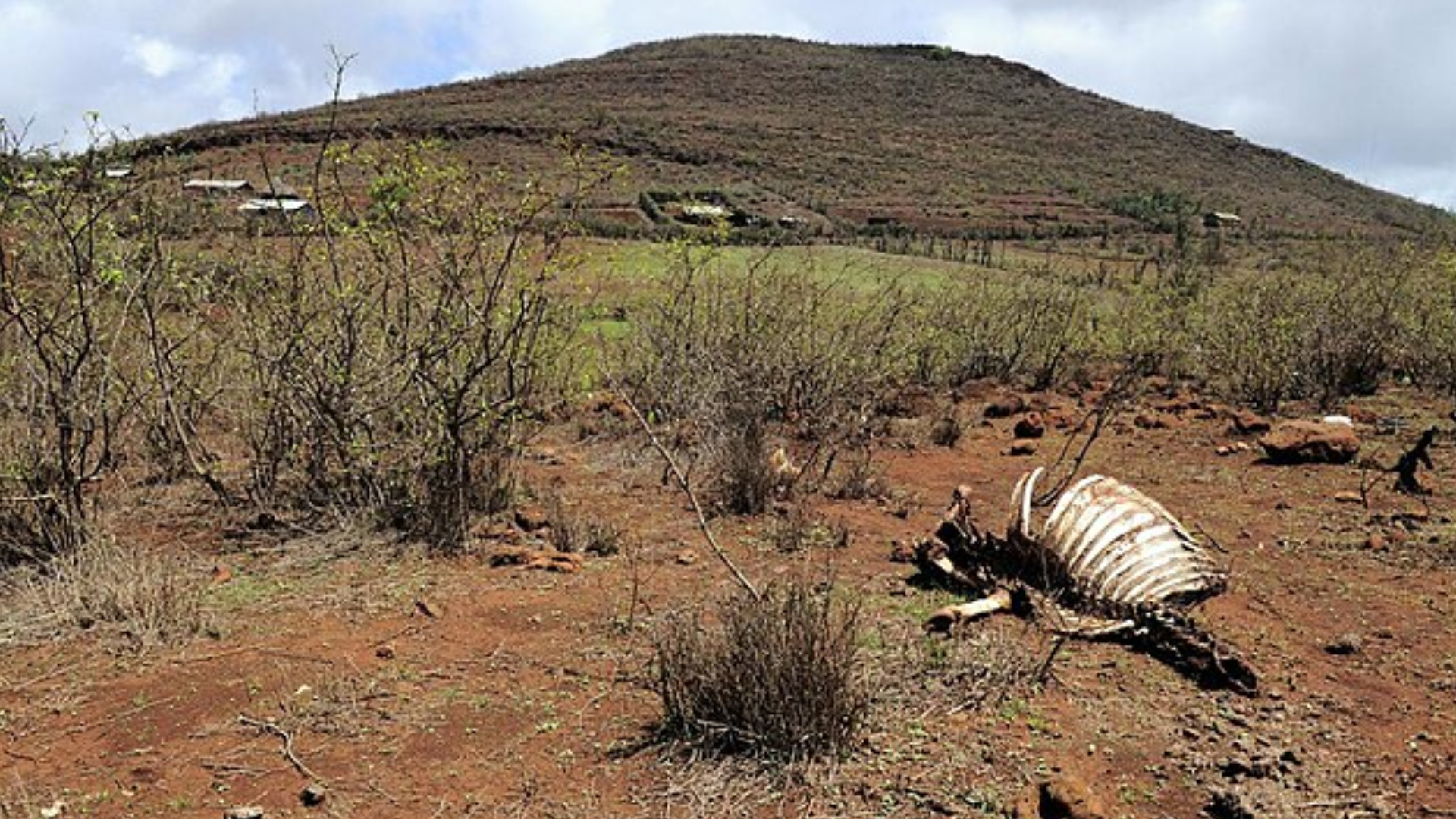
State investigators tied a string of carcasses and injured calves to the Beyem Seyo pack this grazing season. Agencies say non-lethal tools; fladry fencing, range riders, guard dogs, noise deterrents, night patrols were deployed first. After repeated depredations, managers concluded the pattern was “chronic” and authorized targeted lethal removal of four wolves, arguing it was a last resort to stop ongoing losses.
Ranchers Say the Math Broke

Producers describe weeks of night checks, broken fences, and calves gone by morning. For family operations working on thin margins, a handful of losses can erase a season’s profit. Some insist coexistence has limits on vast, rugged allotments: “You can’t harden a mountain,” one rancher said. Others counter that public rangelands should prioritize native wildlife over private herds.
Conservationists See a Dangerous Precedent

Advocacy groups argue California promised wolves a true return and that lethal control undercuts that promise. Every removed animal thins a small population and risks fragmenting breeding lines. To them, the state just taught the public that “coexistence” ends when it gets hard. They demand more funding for non-lethal methods, faster compensation, and seasonal herd-management changes instead of pulling the trigger.
The Science Warning: Trophic Cascades

Ecologists point to Yellowstone’s lesson: remove top predators and prey behavior shifts, vegetation is over-browsed, riverbanks degrade, and smaller predators boom. Sierra Valley isn’t Yellowstone, but the principle stands. Fewer wolves can mean more deer on fragile meadows, more rodents in haystacks, and new stress on riparian plants that stabilize soils and water quality. Today’s “fix” can seed tomorrow’s headaches.
The Law’s Narrow Gate

Gray wolves are protected under state and federal law, but both allow narrowly tailored action after verified, repeated depredations and failure of non-lethal options. Officials say this case met that bar. Environmental lawyers push back: how many kills equal “chronic,” who verifies them, and how transparent is the decision trail? The answers will shape the next conflict because there will be a next one.
Two Juveniles Still Out There

After four removals, at least two young wolves linked to the pack remain on the landscape. Plans include capture and relocation or controlled placement to avoid fresh conflicts while preserving genetics. Biologists caution relocations are risky: dispersing juveniles roam far, imprint on new territories unevenly, and can wander straight back into working rangelands.
What “Coexistence” Would Actually Take

Critics and supporters alike outline a harder path: real-time collar alerts to ranchers; rapid-response range-rider teams; carcass removal to avoid attracting predators; calving-season pasture shifts; night penning during peak risk; guard-animal training; and faster, simpler compensation when losses are verified. All of that costs money and coordination. The debate isn’t whether coexistence is possible; it’s who pays and who changes first.
Did California Solve a Problem or Start a Bigger One?

To ranchers, removing the pack restored a measure of safety. To conservationists, it erased a fragile win. Scientists warn the land may answer later with subtle changes that hurt everyone. If the state wants wolves and working landscapes, “last resort” cannot be the only tool anyone trusts. Did California draw a line or kick the can to the next crisis? Your move, Golden State. Your move, people.
PetsFanatic Team
Pet Care Expert & Content Creator
Passionate about sharing knowledge and tips for better pet care. Writing about everything from pet health to training techniques.